Petition of 68-year-old chemistry teacher who killed her husband dismissed
| Date :26-Oct-2025 |
Legal Correspondent :
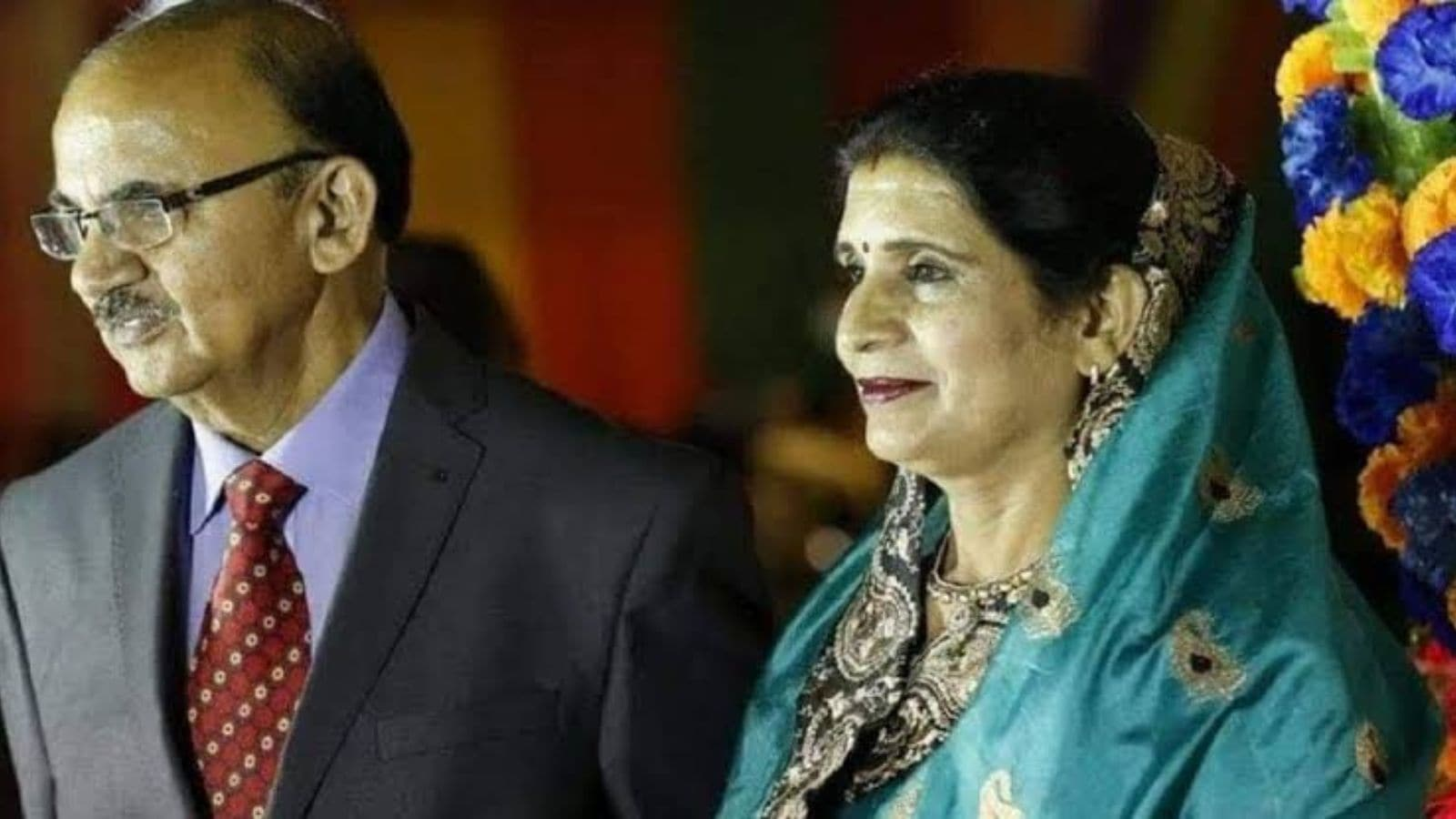
The High Court has dismissed the petition of a 68-year-old female chemistry professor, sentenced to life imprisonment for murdering her husband by electrocution. She will now have to serve the remainder of her sentence in a barrack. She had claimed that she should be granted the relief of serving the remainder of her sentence in an open prison instead of a barrack, as her son is mentally and physically ill.
A single bench of Justice Vishal Mishra stated that she was not entitled to such relief under the prison manual. Since a petition is pending in the Supreme Court, it would be better to file the appropriate application there. Dr. Mamta Pathak, a senior professor at Government College, Chhatarpur, filed the petition. She is accused of murdering her husband by electrocution on April 20, 2021.
The District Sessions Court there convicted her of murder on June 29, 2022, and sentenced her to life imprisonment. The appeal challenging this decision was dismissed by a division bench of Justice Vivek Agarwal and Justice Dev Narayan Mishra on July 29, 2025, upholding the life sentence awarded to the female professor. The female professor, serving a
life sentence in Jabalpur Central Jail, filed the petition, stating that she was the sole caretaker of her mentally and physically ill son.
Due to her age and illness, living in the harsh conditions of the prison is now extremely difficult for her. Therefore, appropriate instructions should be issued to the prison administration regarding serving the remainder of her life sentence in an open prison. During the hearing, Government Advocate Sumit Raghuvanshi informed the court that the petitioner had submitted an application to the prison headquarters, which was rejected on July 14, 2025, stating that she was not eligible under Rule 5 of the Open Colony Rules 2009. After considering the order of the prison headquarters, the court refused to grant any relief to the petitioner and dismissed her petition, granting her the freedom to file an application in the Supreme Court.