The sluggish rupee: The other side of the coin
| Date :11-Dec-2025 |
By CA Milind Kanade :
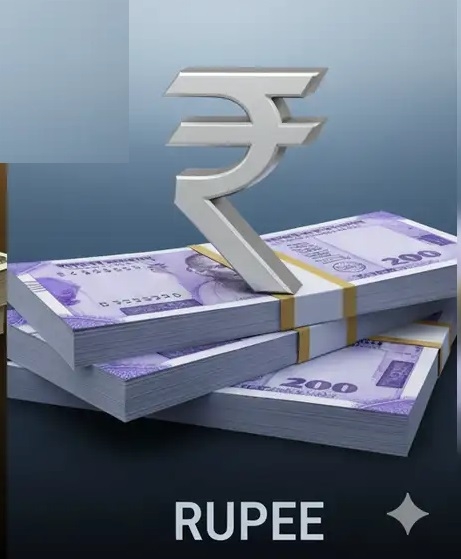
Every coin has two sides. Similarly, everything and every event also has two aspects. Therefore, it is necessary to examine both the positive and negative sides in every case. The same is true of the currently depreciating rupee. Given the continuous depreciation of the rupee, there is more discussion about the losses caused by this. Even from the very beginning, the losses associated with the depreciating rupee have been discussed. But it is also necessary to understand the other side of this depreciating rupee.
Currently, global economic uncertainty, geopolitical tensions, fluctuations in interest rates, and risk-aversion among investors in the global market are putting pressure on the currencies of emerging economies. The Indian rupee is no exception to this trend. The depreciation of the rupee means that imports are becoming more expensive, the risk of inflation is increasing, and there are many negative consequences for travelers and import-dependent industries.
However, there is another side to everything in economics. The depreciation of the rupee can also be beneficial for some sectors.
The weakening rupee makes Indian goods and services relatively cheaper for foreign buyers. This is leading to increased demand for export-oriented sectors.
Exporters are earning more in rupees. When they convert the amount received in dollars or other currencies into rupees, they get more value. Increasing exports are also ensuring a higher inflow of foreign currency into the country. India’s IT, BPO and Global Capability Centers (GCCs) earn a large share of their income in dollars.
The operating margins of these companies increase due to the weakening rupee, because their expenses are in Indian rupees while income is in foreign currency.
Remittances from abroad will also benefit. A large community of Indians works abroad. The money they send (remittances) is a major support for the Indian economy.
Due to the weakening rupee, travelling abroad has become more expensive. As a result, people are turning toward domestic tourism. The local tourism industry (hotels, travel, food, transport) is benefiting from this shift.
It is being said that imports have become expensive due to the depreciation of the rupee. But if we look at the other side of this, it is encouraging local production instead of depending on imports. Domestic production is increasing.
When the rupee weakens, assets in India (stocks, mutual funds, real estate) appear cheaper to foreign investors.
If the right policy environment is in place, there is an opportunity to attract FDI and FPI.
Due to the increase in exports, GST and customs duty collections have also increased. In this way, the government's revenue is rising.
India has embraced a free economy. In a free economy, no economic situation is permanent. Prices change, the value of the currency fluctuates, employment and opportunities change, industry leadership changes, consumer preferences shift, investment flows vary and policy outcomes evolve. This constant change is the hallmark of a free economy. Profit and loss are never permanent.
Although the rupee is losing value to some extent, exporters, IT/BPO industries, Indians sending money from abroad, the domestic tourism sector, and manufacturing are all benefiting. The cycle of currency, prices, and employment is cyclical. The only thing constant in an economy is change. So, we should at least get rid of the belief that depreciation of the currency is always negative for the economy.
The author is a chartered accountant and President of BJP Economic Cell, Maharashtra State; and Vice President of Federation of Industries Association of Vidarbha.