Of diverse demographic, disparate infra
| Date :26-Dec-2025 |
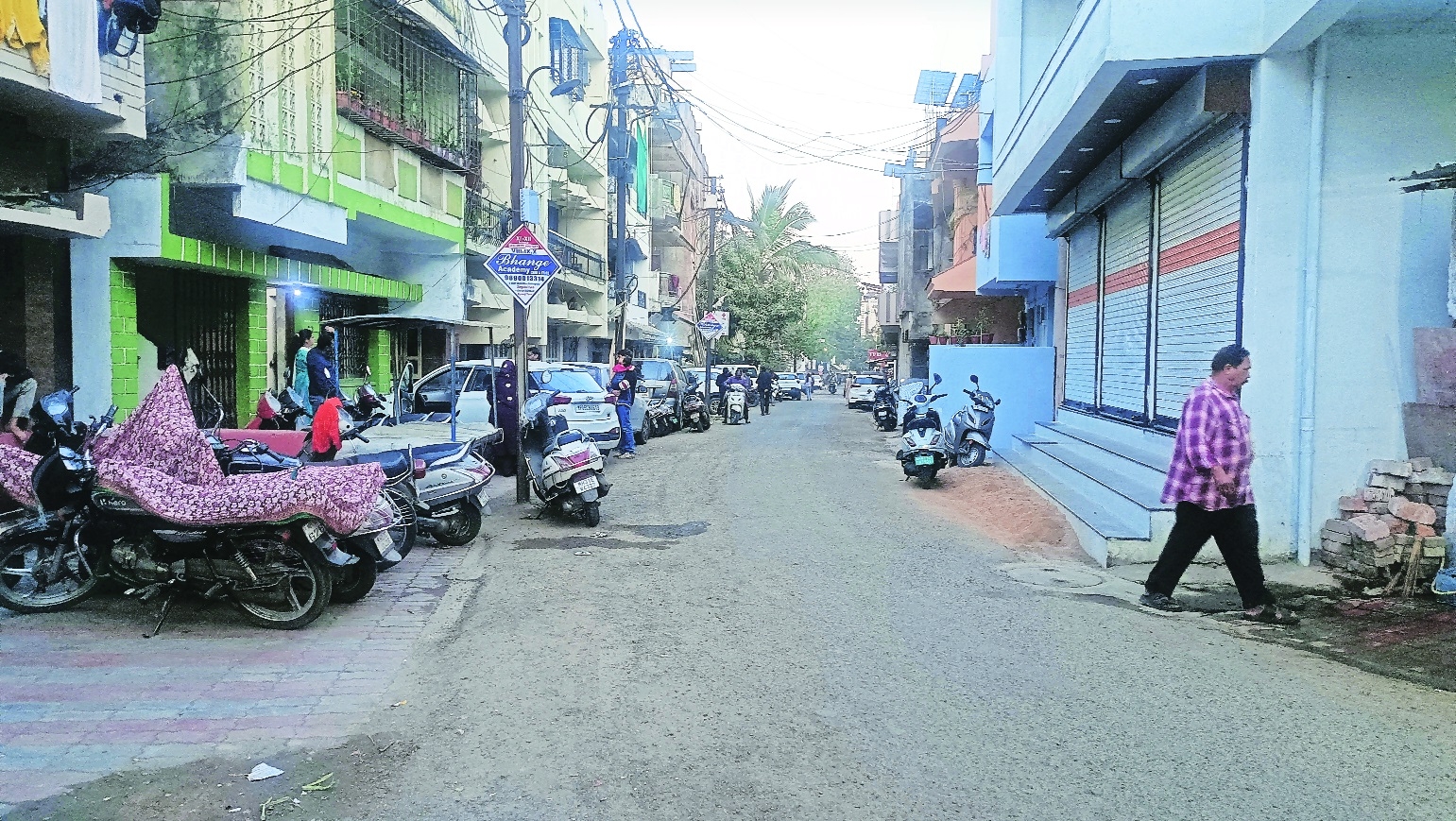
A narrow lane of Chhaoni in Prabhag 10.
By Niraj Chinchkhede :
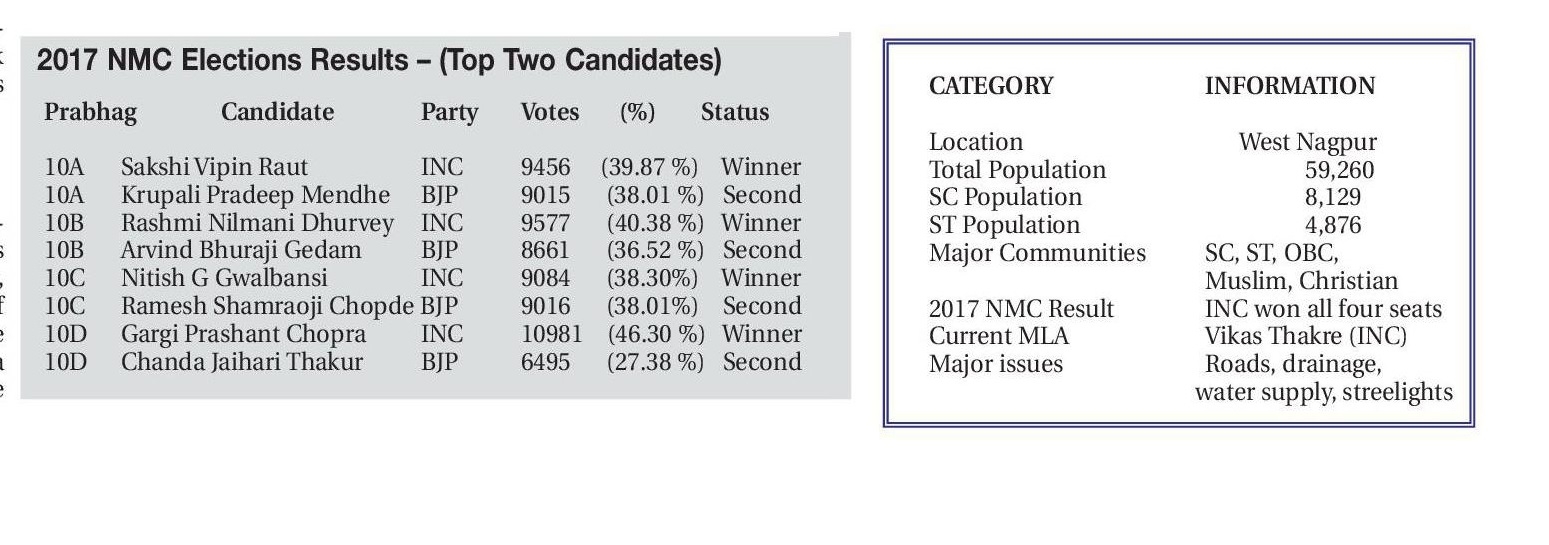
The socio-economic fabric of Prabhag 10 is a unique example of diverse demographics and disparate infrastructure. It has densely populated slums, spacious localities and planned government colonies which clearly shows that a “one size fits all” approach to civic planning fails here. In the more spacious localities, the focus is on beautification and high-end maintenance. However, in the slums, the struggle is centered on basic survival needs like water supply and regular collection of garbage. Prominent area in the Prabhag are Borgaon, Kutubshah Nagar, Police Line Takli, Samadhan Nagar, Mankapur Power Station, Darji Mohalla, Sadiqabad, Asylum slum, Byaramji Town, Gond Moholla, Raj Nagar.

Crumbling roads, chronic water issues
The physical infrastructure in specific pockets like Police Line Takli and Chhaoni highlights a breakdown in essential utility management. In the Police Line area, the internal roads are deteriorated to a point where they pose a daily hazard to commuters. Potholes and uneven surfaces have not only damaged vehicles but also slowed down emergency services. Dust pollution from these broken roads lead to respiratory issues, while in the monsoon, they became muddy traps.
Simultaneously, the residents of Chhaoni are still battling a different kind of crisis: persistent low water pressure. Despite being an established area, the aging pipeline infrastructure or perhaps an imbalance in the distribution network means that water barely trickles through the taps.
Sewage crisis
A critical failure in urban planning is evident in localities such as Pension Nagar, Samadhan Nagar, Awasthi Nagar, and parts of Mankapur, where a formal sewage network is non-existent. Without a dedicated underground sewerage system, residents are left with no choice but to illegally divert their household sewage into open storm-water drains. This practice is a ticking time bomb for public health. Open drains carrying raw sewage become breeding grounds for mosquitoes and pathogens. Furthermore, sewage eventually flows into local water bodies or seeps into the groundwater, contaminating the very soil the residents live on. Until a comprehensive sewage treatment plant and connecting lines are established, these neighbourhoods remain trapped in unsanitary living conditions that undermine their property values and personal well-being.
Monsoon vulnerability
For the residents of the low-lying sectors of Prabhag 10, monsoon is a season of anxiety rather than relief. Due to the natural topography and inadequate drainage capacity, these areas suffer from severe water-logging every year. When the rains intensify, the existing drainage system—often clogged with plastic waste and silt—fails to channel the runoff, causing water to back up into streets and, in many cases, into the ground floors of homes.
This recurring issue points to a desperate need for a topographical survey and the construction of high-capacity storm-water drains that can handle the modern precipitation patterns. Without such intervention, the cycle of flooding and recovery remains an annual struggle for the most vulnerable residents of this Prabhag.