SC keeps in abeyance its Nov 20 order
| Date :30-Dec-2025 |
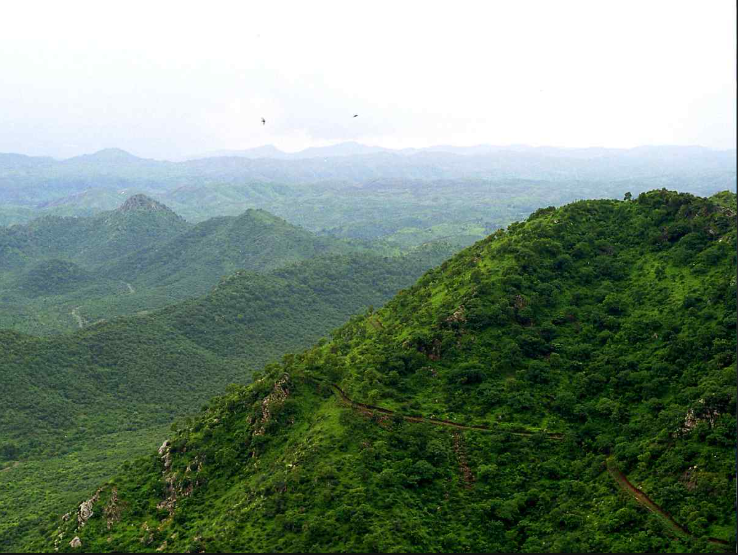
AMID the out cry over the new definition of
Aravallis, the Supreme Court on Monday
kept in abeyance its November 20 directions that accepted a uniform definition of
these hills and ranges, saying there is a need
to resolve “critical ambiguities” including
whether the 100-metre elevation and the
500-metre gap between hills criteria will strip
significant portion of the range of environment protection.
Proposing to constitute a high-powered
expert panel, a vacation bench headed by
Chief Justice of India Surya Kant said it
seemed prima facie that the earlier report
of a committee and the verdict had “omitted to expressly clarify certain critical issues”
and there is a “dire need to further probe”
to prevent any regulatory gaps that might
undermine the ecological integrity of the
Aravalli region.
It also directed that as set out in the order
dated May 9, 2024, until further orders, no
permission shall be granted for mining in
the ‘Aravalli Hills and Ranges’, as defined in
the August 25, 2010, FSI report, without its
prior permission. “There has been a significant outcry among environmentalists,
who have expressed profound concern
about the potential for misinterpretation
and improper implementation of the newly adopted definition and this court’s directions,” the bench, also comprising Justices
J K Maheshwari and Augustine George
Masih, said.
It said this public dissent and
criticism appear to stem from
perceived ambiguity and lack
of clarity in certain terms and
directives issued by the court.
“Consequently, there is a dire
need to further probe and clarify to prevent any regulatory
gaps that might undermine the
ecological integrity of the
Aravalli region,” the bench said
in its order passed in a suo
motu matter titled ‘In Re:
Definition of Aravalli Hills and
Ranges and Ancillary Issues”.
The top court had on
November 20 accepted a uniform definition of the Aravalli
hill sand ranges and banned the
grant of fresh mining leases
inside its areas spanning Delhi,
Haryana, Rajasthan and
Gujarat until experts’ reports
are out.