The Good, the Bad, & the Choice
| Date :18-Jun-2025 |
By Biraj Dixit :
“WHAT would you like to be - a good girl or
a bad girl?” a mother asked her two-yearold. Pat came the reply, ‘Bad girl.’ Even
as the mother laughed, the girl beamed with the clarity of a two-year-old. It’s hard to sell ‘good’ these
days...even to a two-year-old!
“Beagood girl,” was once upon a time,acommand
understood, obeyed (...to some degrees) and rewarded (if only with a word of appreciation and smile).
Now, even showers of appreciation fail to cajole little
ladies into entering that age-old sect of ‘good-ism.’
There is something verynot-so-good about the 'good'
these days. “Bad may be fun for a while, but good gets
the ultimate reward.” This once-preached wisdom
seems to have lived its days.
Understanding the human tendencies well, wellknown humourist MarkTwain had famously said that
one should ‘go to heaven from climate, hell for company’.

We,theoffspringsofthehumanracehardlycare
for the climate (as it gets very evident from each passing day). Company, though, is of utmost importance
and so we - making an extremely conscious choice - choose to
gotohell,quiteliterally.Andsince
heavenandclimateboth,despite
centuries of work, have miserably failed to sway us the other way, hell in the company of baddies is something we cherish.
You may ask me to stop my rant and define ‘good’
and ‘bad’ for clearer understanding. For, ‘Good’ of the
yore may not be ‘good’ anymore, whereas the ‘bad’ of
the olden times, may be sans any crimes!Understood.
Agreed. But I haveahuge problem with definitions.
They are expected to be so structured.
They try to fit
the fluidity of human emotions, attributes and character in a tight box! Since good and bad - being only
degrees of comparison based on human judgement
(which often finds itself at great hardship being just)
- havealong history of being suffocated within structures. Look now, it seems the ‘good’ and ‘bad’ both
have escaped the grasp of definition.
But, for comfort’s sake, let’s say good is a behaviour
generally agreed upon and bad is a behaviour generallydisagreedupon.Inconclusion,goodpeoplebehave
in the generally agreed upon ways and bad people
behave in a way generally disagreed upon. Good and
bad have moral implications, too, in the sense ofright
and wrong but since society itself has never been consistent on that, definitions have been varying from
person to person, place to place, situation to situation. For example, speaking the truth is the most honourable, most good thing to do until you speak it on
someone’s face. Honesty may have been designated
as the best policy but experiences of people tell a different story.Humility,amarker of goodness, can often
be a guile for survival. So, when the tenets of ‘goodism’ sound more like blind faith, how can this poor
sect find followers?
Followers–ifyouanalysethetrajectoryofthatword,
youwouldseewhygoodisn’tgoodanymore.Followers
were a section of people who, in absolute good faith,
followed wisdom.
So, there were followers ofBhagwan
Mahaveer,BhagwanBuddha,LordJesusChrist,Prophet
Mohammad, Adi Shankaracharya, Guru Nanak Devji.
These followers tried to follow the wisdom of these
great men not just in words, but in spirit with utmost
goodness, sincerity and commitment, to raise themselvesfromtheordinary-nessoflife.Today,lookwhere
the word has nosedived. Anybody who thinks he is
somebody can get followers. These followers follow
and unfollow with an equal amount of peripheral zeal!
This is how hollow, follow has become!
One meaning of the word ‘good’ is also about quality,acertain standard.
So, with the good there is a certain amount of raising the bar. It speaks of good’s
potential to be better and the best.If only we had kept
the bar of goodness rising just like we have kept the
bar of our convenience going higher and higher.
There may be many reasons for ‘good’ falling on
such bad days. But what seems
like the most fatal flaw of good is
that it is least lucrative. While
good needs rewarding, bad is a
reward unto itself. I remember
duringmyschooldaysthebrighteststudentwasmade
the monitor. But monitoring a class of baddies was
too much of an uphill task for the good student, so
teachers came up with a solution to the problem.
The
‘baddest’was giventhe toppositionofbeing themonitor. He monitored and how! Problem solved. But the
undecided few like us who were not sure whether to
remain in the confines of good or get pulled by the
lure of bad, saw bad being rewarded.This is how some
ofthenaughtiestkidsthinktheycanwinaNobelPeace
Prize for bullying others into stopping confrontation
and telling the world that they are ‘so good’ because
they themselves are not going into war. AcharyaChanakya’sstrategicprinciple–keepfriends
close, enemies closer may have helped people strategically but the larger society seems to have forgotten
the difference between a friend and a foe. In the world
where Jesus is crucified and Gandhi shot dead, ‘good’
does not come across as a good alternative.
Oh Goodness me! Do I sound very pessimistic? No,
I have great faith in the greatness of the good. For,that
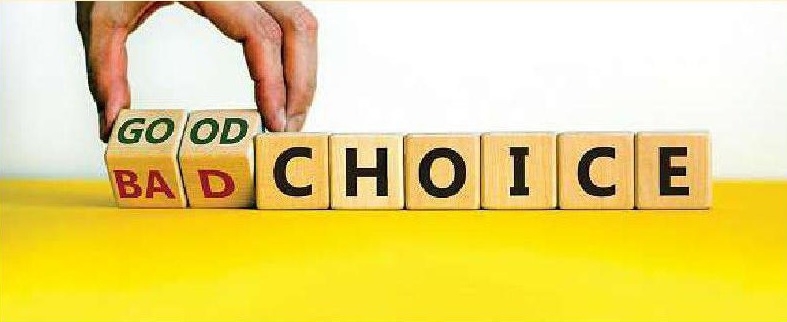
little element of choice between good and bad has
always decided our fate, whether we make our world
heaven or hell. So let us, through our thoughts, words
and action, build a case for good. Let our applause for
good not be silent. Let us not allow bad to go unchallenged. Let us, as a society, learn to not be even but
just. Let us never take the easy route of making the
naughtiest guy the class monitor.