From Nadis To Neurons - Yoga & Neuroscience
| Date :21-Sep-2025 |
By DR BHUSHAN KUMAR UPADHYAYA :
A
ncient Yogic texts describe
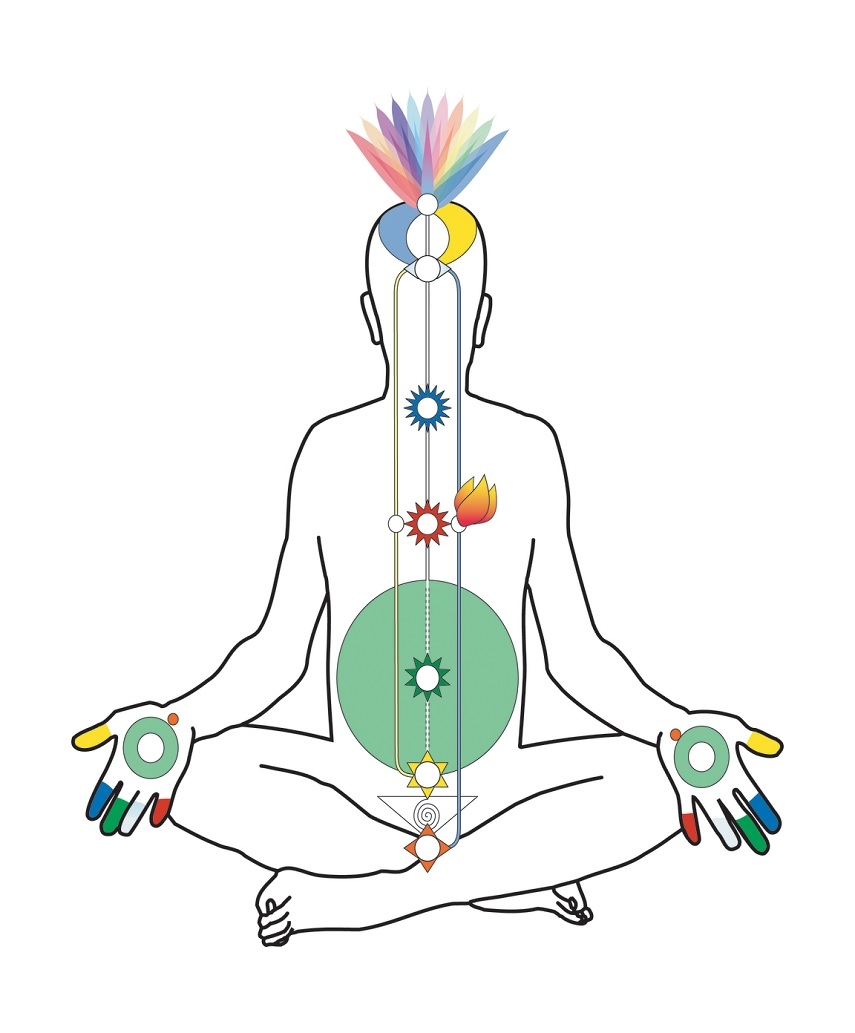
Nadis, subtle channels
through which Prana (lifeforce) flows. Modern neuroscience
maps communication lines of
energy flowing through the neurons, nerves and large-scale brain
networks. Both Nadis and neurons
are not identical literal equivalents, but they are powerful, complementary models that overlap in
function and effect - and contemporary research is beginning to
trace those overlaps.
Yogic accounts (Siddha, Tantric
and Hatha traditions, and the
Swaravijñana lineage) describe
tens of thousands of Nadis with
three principal channels - Ida,
Pingala, and Sushumna - governing subtle flow and polarity.
Several comparative reviews and
critical studies have argued that
these classical descriptions show
structural and functional parallels
with the nervous system: Ida often
likened to parasympathetic
processes, Pingala to sympathetic
activity, and Sushumna to the
spinal axis or central conduits.
Swara and Pranayama practices
center on nostril dominance and
paced breathing - techniques that
classical teachers say influence
specific Nadis. Modern physiology
shows that controlled breathing
powerfully modulates autonomic
balance (sympathetic vs parasympathetic activity). Randomised and
controlled trials of alternate nostril
breathing and slow nostrilfocused practices report increases
in parasympathetic markers and
shifts in heart-rate variability
(HRV) consistent with vagal
(parasympathetic) activation. In
short: practices intended to influence Nadis measurably change
the activity of the autonomic nervous system.
If Nadis and Prana describe
inner states, contemporary neuroimaging shows long-term contemplative practice alters brain
networks that relate to attention,
interoception, and self-referential
thought. Experienced meditators
show changes in the Default Mode
Network, salience, and executive
networks - patterns consistent
with reduced mind-wandering
and improved self-regulation.
These network-level shifts align
with classical claims about transformed awareness when Prana is
regulated along the central
channel. Two useful takeaways
emerge. First, Nadis provide a
phenomenological, practice-oriented model: they tell practitioners how to work (breath, Bandha
attention) and what to expect
(shifts in calm, clarity, energy).
Second, neuroscience provides
measurable mechanisms (vagal
tone, HRV, network connectivity)
and clinical endpoints (reduced
anxiety, improved cognitive
resilience). Where yoga offers map
and method, science offers instruments and outcomes - and multiple studies now show the routes
overlap. For example, enhanced
vagal tone and HRV following
yogic breathing align with classical claims that nostril practice
shifts internal currents.
It’s important not to overreach.
Nadis are embedded in metaphysical systems (Chakras and
Kundalini ) that exceed current
empirical frameworks. Conversely,
reductionist claims that equate
Nadis strictly with specific nerves
or spinal tracts miss the symbolic,
experiential power of the yogic
model. Best practice: treat the two
as complementary languages -
one poetic and prescriptive, the
other analytic and measurable.
Researchers and practitioners
can benefit from dialogue: designing studies that translate yogic
protocols into testable neuroscience experiments (eg nostrilspecific breathing + HRV +
MRI)and letting clinical outcomes
inform practice refinement. Such
cross-translation preserves the
lived wisdom of Swaravijñana
while holding it to the clarifying
light of modern methods.
Nadis are not neurons, but they
are a prescient, practice-ready
map of physiology and experience. Modern science is catching
up by measuring how breath,
attention, and embodiment
change nervous-system function.
Together they form a richer story:
an ancient vocabulary pointing
toward discoveries that neuroscience is now quantifying.

(The writer is Former DG
Police & CG, Homeguards,
Maharashtra) ■