Dhol-TashaA spiritual, rhythmic journey of heritage
| Date :08-Sep-2025 |
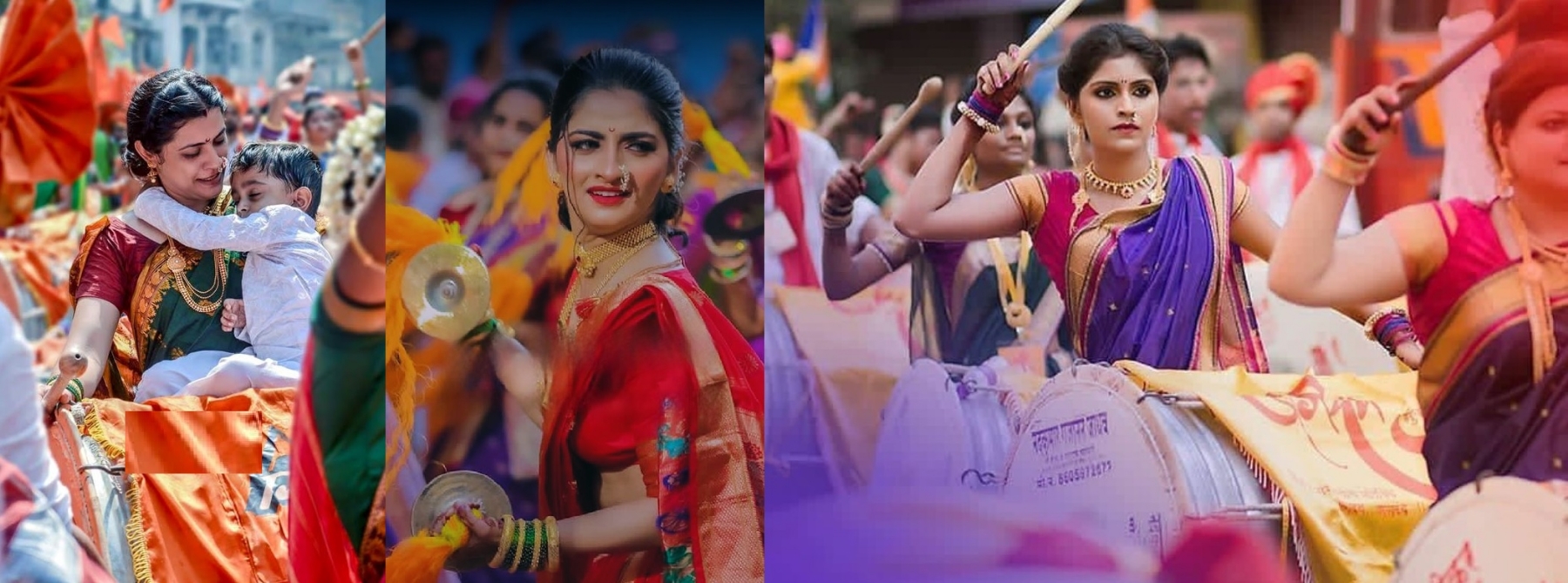
In the vibrant heartland of Maharashtra, where ancient spiritual traditions pulse through modern life, the thunderous resonance of dhol- tasha emerges as far more than just musical entertainment. These sacred percussion instruments serve as divine conduits, spiritual and cultural vessels that have carried the soul of Marathi through centuries of transformation. Dhol tasha tradition represents how rhythm transcends mere sound to become a a community-binding phenomenon.
The deep, earthshaking voice of the dhol, paired with the sharp, penetrating call of the tasha, creates a sonic landscape.
The tradition serves as a powerful force for social cohesion and cultural transmission in Maharashtrian society.
The preparation process for major festivals often involves months of dedicated group practice, during which participants undergo gradual transformation from individual practitioners to members of a spiritual collective. The demanding physical requirements of the practice naturally develop qualities of discipline, endurance and mutual support that extend far beyond musical contexts into all areas of life. Dhol tasha groups regularly bring together people from different castes, economic backgrounds and social positions.
Young participants unconsciously absorb these cultural transmissions through bodily practice.
Contemporary neuroscience has begun validating what dhol tasha practitioners have long understood about rhythm’s power to transform consciousness and promote positive mental states. Research reveals that specific rhythmic patterns can synchronise brainwave activity across different regions of the brain, promoting coherence states associated with enhanced cognitive function, emotional regulation and spiritual insight.
The frequency ranges produced by traditional instruments correspond to what researchers call ‘optimal consciousness windows’, ranges that have maximum impact on human awareness and well-being.
The deep bass frequencies of the dhol stimulate the release of endorphins and other neurochemicals associated with pleasure, relaxation and transcendence, while the sharp attacks of the tasha activate sympathetic nervous system responses that create alert, focused awareness.
The dhol tasha tradition faces significant challenges in the contemporary world, including urbanisation pressures, changing lifestyle patterns and competition from modern entertainment forms. However, these challenges also present opportunities for creative adaptation and renewed relevance.
The dhol tasha tradition of Maharashtra ultimately reveals rhythm as a fundamental spiritual technology that can transform individual consciousness and create authentic community across all boundaries and differences. In its beats, we discover not merely cultural heritage but living spiritual teachings that remain as relevant today as they were centuries ago.
The tradition demonstrates that the sacred is not distant or abstract but intimately present in the very rhythms of existence itself, waiting to be awakened through dedicated practice and authentic devotion.

By Vasavi Barde