In a first Pallas’ Grasshopper Warbler spotted in CG
| Date :10-Jan-2026 |
Staff Reporter :
RAIPUR :
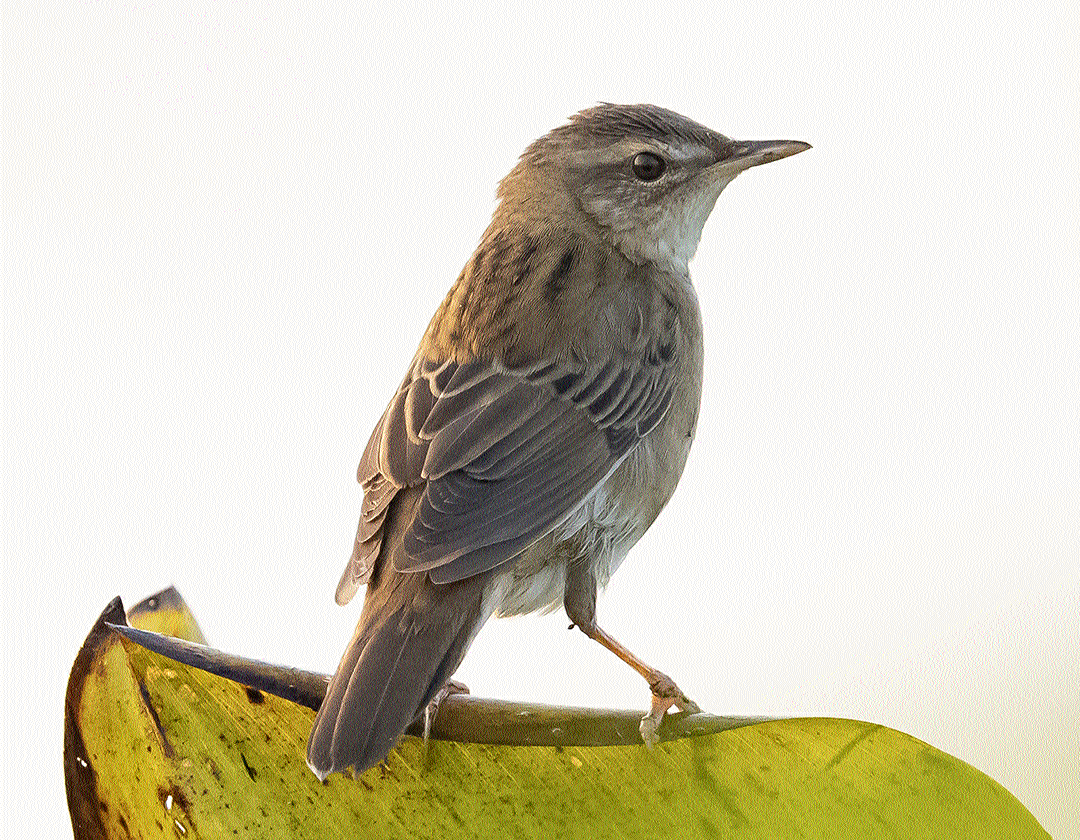
A significant addition to the avifauna of Chhattisgarh has been recorded with the first-ever sighting of the Pallas’ grasshopper warbler near Samoda Dam. The rare migratory bird was observed on January 8 at around 8 am by birders Dilip Verma and Jageshwar Verma, marking an important milestone for bird diversity records in the state.
Pallas’grasshopper warbler, also known as the rusty-rumped warbler, is a medium-sised Old World warbler measuring about 12 to 15 centimetres in length and weighing approximately 13 to 18 grams. The adult bird has a streaked brown back and whitish-grey underparts, with streaking visible mainly on the undertail. White tips on the tail and inner wing feathers have earned it the nickname
“PG Tips”. The sexes are identical, while juvenile birds appear yellower on the underparts. Like most warblers, the species is insectivorous. The bird breeds in the eastern Palearctic region, spanning the Altai Mountains, Mongolia, Transbaikalia, northeastern China, the Korean Peninsula, and islands in the Sea of Okhotsk, including Sakhalin and the Kuril Islands. It is a long-distance migrant, wintering from India eastwards to Indonesia.
Typically found in tall grasses with dense vegetation near water, the Pallas’s grasshopper warbler prefers bogs and wet meadows. It is known for its furtive behaviour, often hiding deep within tangled vegetation, making it difficult to spot.
The species shows a strong affinity for water hyacinth plants and is usually identified by its heavily streaked upperparts, long
wedge-shaped tail and distinctive rufous rump when seen clearly. At Samoda Dam, the bird was observed skulking among thick growths of water hyacinth, rarely venturing into the open.
According to birders, the area had extensive vegetation of water hyacinth, which provided ideal habitat conditions for the species. Earlier records of Pallas’s grasshopper warbler in India have largely been confined to the northeastern and southwestern regions. There were no previous confirmed records from central India, making this sighting the first for both Chhattisgarh and the central Indian region. Experts say the addition of this species to the bird fauna of Chhattisgarh highlights the rich but underexplored biodiversity of the state. The sighting also underlines the importance of conserving wetland habitats and encourages further exploration and documentation of wildlife diversity in the region.