14 CG products await GI recognition
| Date :14-Oct-2026 |
Our Correspondent
JAGDALPUR,
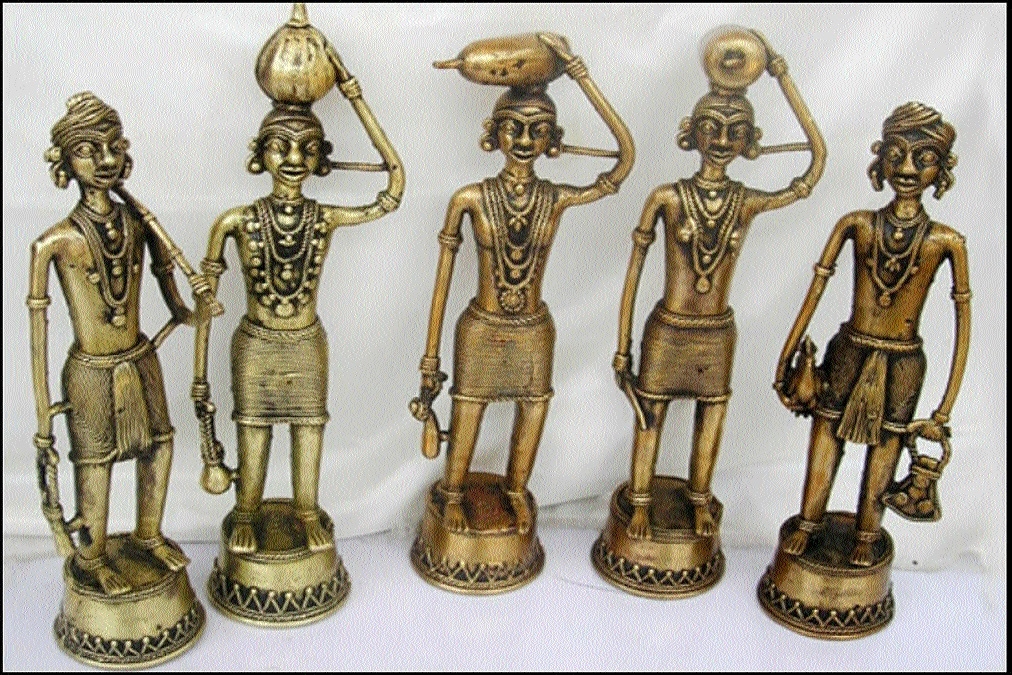
BASTAR’S traditional handicrafts are strengthening Chhattisgarh’s cultural identity, with Dhokra, iron and wooden crafts earning Geographical Indication (GI) tags. Meanwhile, applications
for 14 other products from the State are awaiting approval,
raising hopes of wider recognition for its traditional produce and craftsmanship.
Bastar Dhokra, Bastar Iron Craft and Bastar Wooden Craft are among the region’s handicrafts that have secured GI
recognition. Champa silk sarees and fabrics have also received
GI tags, highlighting the distinctive craftsmanship and cultural traditions associated with Chhattisgarh.
The State has also gained recognition for its agricultural produce. Surguja’s aromatic Jeera Phool rice received a GI tag in 2019, while Nagri Dubraj rice from Dhamtari is among the State’s more recent additions to the GI registry. Often described as the ‘Basmati of Chhattisgarh’, Dubraj is known for its distinctive aroma.
Applications for 14 other products, including Bastar tamarind, Vishnubhog rice, custard apple, kodo-kutki and Panika sarees, are reportedly under consideration.
Their registration could further expand Chhattisgarh’s GI portfolio and strengthen the identity of its region-specific products.
Notably, a GI tag identifies goods as originating from a particular geographical area, where their quality, reputation or other characteristics are linked to that origin. It helps protect the identity of traditional products and can support efforts to expand their market reach. At the national level, Uttar Pradesh, Tamil Nadu and West Bengal have established a strong presence in the GI registry through products associated with their cultural and culinary heritage. Banarasi sarees and Lucknow Chikankari are among the products that have contributed to Uttar Pradesh’s reputation for traditional craftsmanship.
For Chhattisgarh, the challenge is to translate GI recognition into tangible benefits for farmers, artisans and weavers. Wider market access, effective branding and protection against misuse of regional identities will be crucial to ensuring that the recognition helps sustain traditional livelihoods and preserve the State’s rich cultural heritage.
Bastar Collector Akash Chhikara hailed the GI tag as a significant achievement for the region, describing the recognition as a matter of great pride and honour. He said efforts would continue to secure GI tags for other unique products and distinctive cultural treasures of Bastar, further highlighting the region’s rich heritage and identity.