Comment Ban the DJ Menace
| Date :14-Oct-2026 |
By E V Murli :
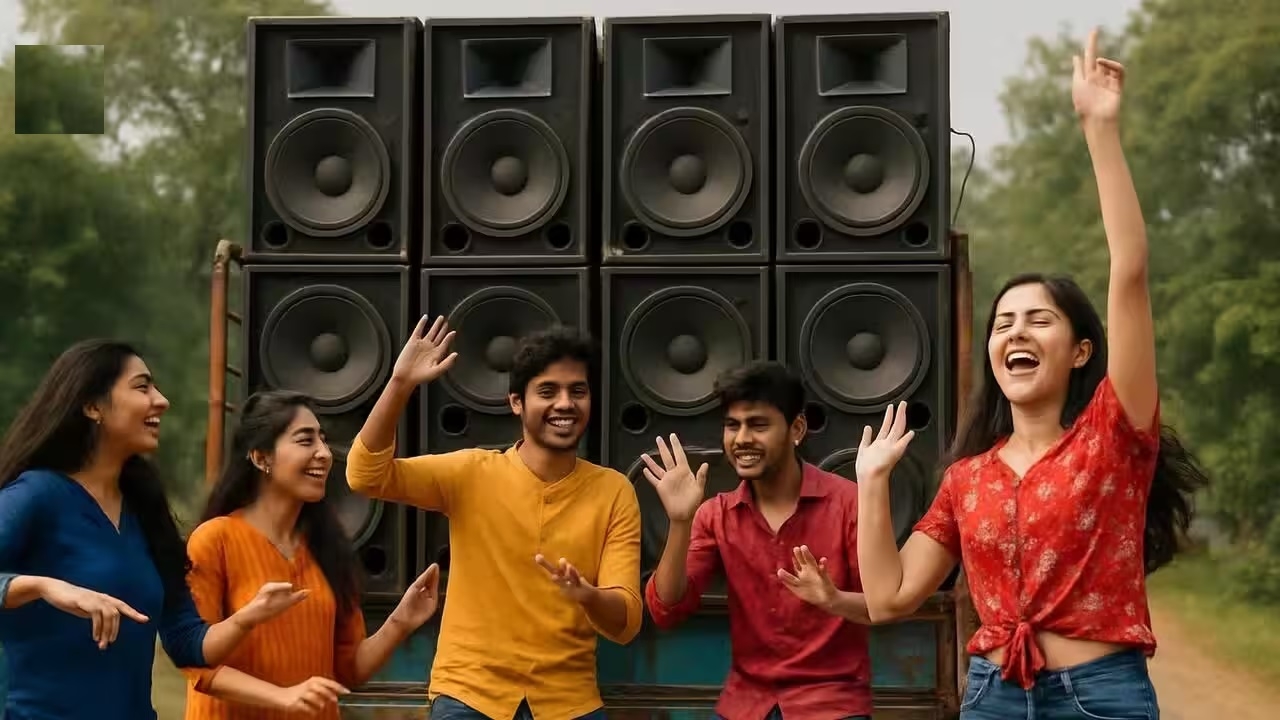
The growing use of DJs at festivals, religious processions, public celebrations and even marriage functions has become a major source of irritation for people. What is often presented as entertainment or celebration has increasingly turned into a public nuisance, with deafening music disrupting daily life and exposing people to excessive noise.
The time has come for the state to consider a law prohibiting the use of high-powered DJ sound systems in public celebrations and ensuring strict action against those who violate noise pollution norms.
People are already exposed to several forms of pollution, from deteriorating air quality to contaminated water and mounting urban waste. Adding excessive noise to this burden is neither desirable nor acceptable. Unlike visible pollution, noise often goes unnoticed until it begins to affect people’s health, peace and quality of life.
The unrestricted use of DJs, particularly at high volumes and late hours, has made the problem increasingly difficult to ignore.
Medical professionals warn that prolonged exposure to high-decibel sound can damage hearing, disturb sleep, increase stress and aggravate heart problems. Children, senior citizens, patients and those with existing medical conditions are particularly vulnerable. Reports of medical emergencies and deaths allegedly linked to excessive noise further underline the need for strict controls on high-volume DJ systems and greater public awareness of their potential health risks.
Marriage halls and event venues cannot be allowed to become centres of unchecked noise pollution. Permission to host a celebration should not amount to permission to disturb an entire neighbourhood. Venue owners, event organisers, DJ operators and those hiring their services must all be held accountable for compliance with prescribed sound limits and operating hours.
Where violations occur, penalties must be stringent enough to discourage repetition.
The problem is compounded by the apparent ineffectiveness of complaints. Residents who approach the authorities often feel that their grievances go unheard, while the offending music continues unabated. Such experiences weaken public confidence in enforcement and encourage the belief that noise regulations exist only on paper. Police and local administrations must respond promptly to complaints, stop violations on the spot and ensure that repeat offenders face stern consequences.
The government should examine whether a specific law prohibiting DJ systems in public processions and other public celebrations is necessary, while also ensuring that any restrictions are legally sound and enforceable. For high-powered sound systems there must be limits and those violating must face strict action, while venues repeatedly flouting the rules should face penalties or suspension of licences.
Celebrations are an integral part of social life, but they cannot come at the cost of public health and peace. The freedom to celebrate must be balanced with the right of others to sleep, study, work and live without unbearable noise. A firm policy, backed by consistent enforcement, is urgently needed to end the DJ menace before it causes further harm. n