Festive joy dampens as prices of pulses escalate ahead of festivals
Date :16-Oct-2026
Business Reporter
MIDDLE and lower-income households are facing a significant strain on their monthly budgets as wholesale prices of essential pulses have jumped by Rs 20 to Rs 30 per kg, within the past few weeks. The sharp price escalation, arriving right on the eve of the major festive season, threatens to dampen celebrations as kitchen expenses soar.
According to market analysts and leading wholesalers, the sudden upward trajectory is primarily driven by acute supply deficit caused by erratic and sub-par weather conditions. “While multiple factors are at play, deficit rainfall across several key agricultural belts in the country remains the central driver.
The current season has witnessed an alarming pulse crop loss of nearly 40 to 50 per cent,” noted Ramesh Umate, a prominent wholesale grain dealer in the Kalamna Wholesale Marketyard. Market insiders further warn that the existing imbalance between elevated festive demand and constrained supply could push retail prices even higher in the coming weeks.
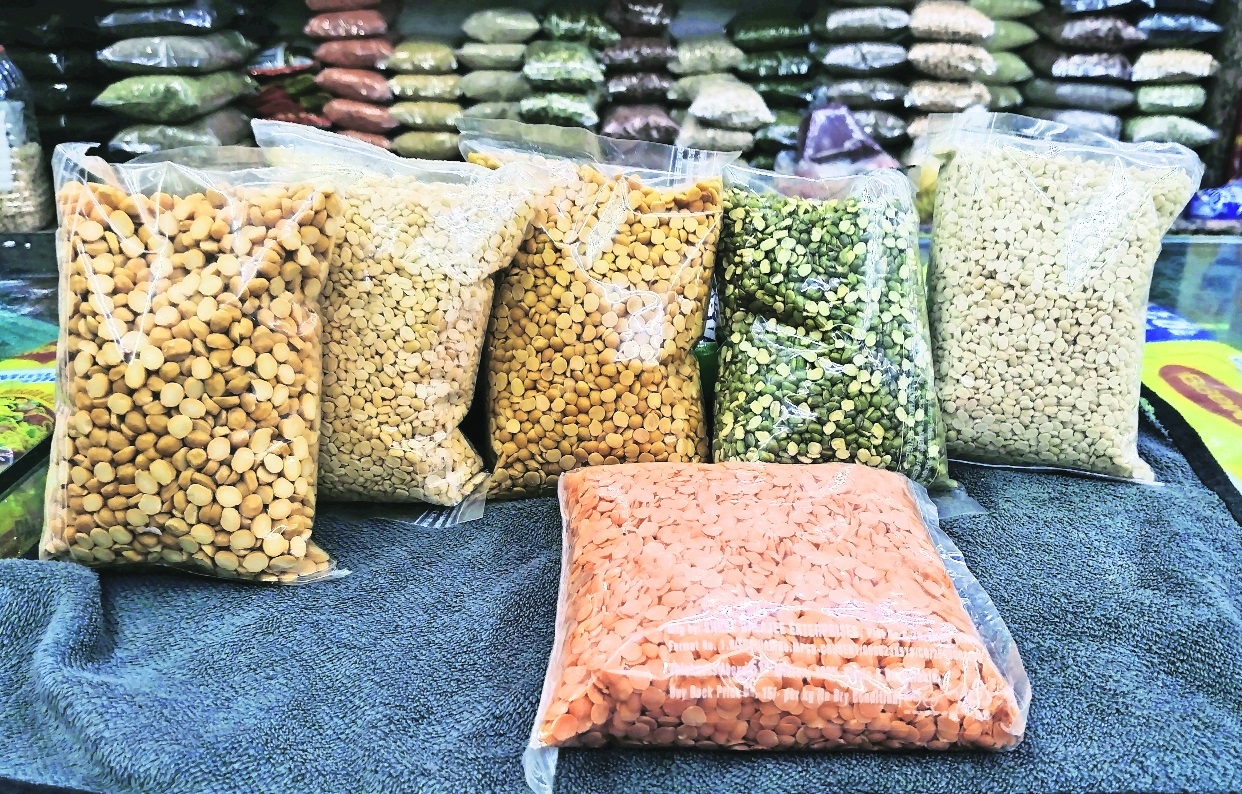
The impact of the price rally is visible across almost all widely consumed varieties of lentils. The household staple tur dal has surged from Rs 120 per kg to Rs 150 per kg.
The waradi fatka variety witnessed a steep hike from Rs 125–130 per kg up to Rs 160–165 per kg. Essential for festive recipes, chana dal climbed from Rs 80–82 per kg to Rs 100–103 per kg. Moong mogar rose from Rs 95 per kg to Rs 115 per kg, while urad mogar escalated sharply from Rs 110-130 per kg to Rs 130–Rs 164 per kg.
Pulses serve as the primary source of protein for millions of Indian households, making them an indispensable component of the daily diet.
Furthermore, the cascading effect of this surge extends beyond raw pulses. Key festive preparations ranging from traditional sweet savouries like laddoo and halwa to popular snacks such as samosas, kachoris, and namkeens rely heavily on chana dal, besan (gram flour), and urad dal. With sweetmeat vendors and snack manufacturers expected to pass the higher raw material costs onto buyers. Therefore, consumers will have to shell out significantly more for festive treats. For ordinary citizens already grappling with general retail inflation, this unexpected rise in food costs threatens to turn what should be a period of lavish dining and celebration into a exercise of tight budgeting.