Mindfulness in the age of AI
| Date :17-Oct-2026 |
By Ishika Dodeja :
Stay Real Stay Sober Navratra Arc
Today is the eighth day of Navratri and we
worship Maa Kalaratri. Maa Kalaratri is the fierce form of the Mother Goddess,
representing the destruction of darkness and ignorance. She has dark skin, untamed hair and a fearsome
appearance but she is kind to her devotees. She rides a donkey and holds a sword and thunderbolt, with her other hands blessing and protecting
devotees. She is also associated with the slaying of the demons Chanda and Munda.
OUR mobile phone seems to know what we want before we know it. It anticipates the next video, completes our sentences and suggests answers. Somewhere between the scroll and the notification a question arises: Who is doing the listening here -- me or the machine?
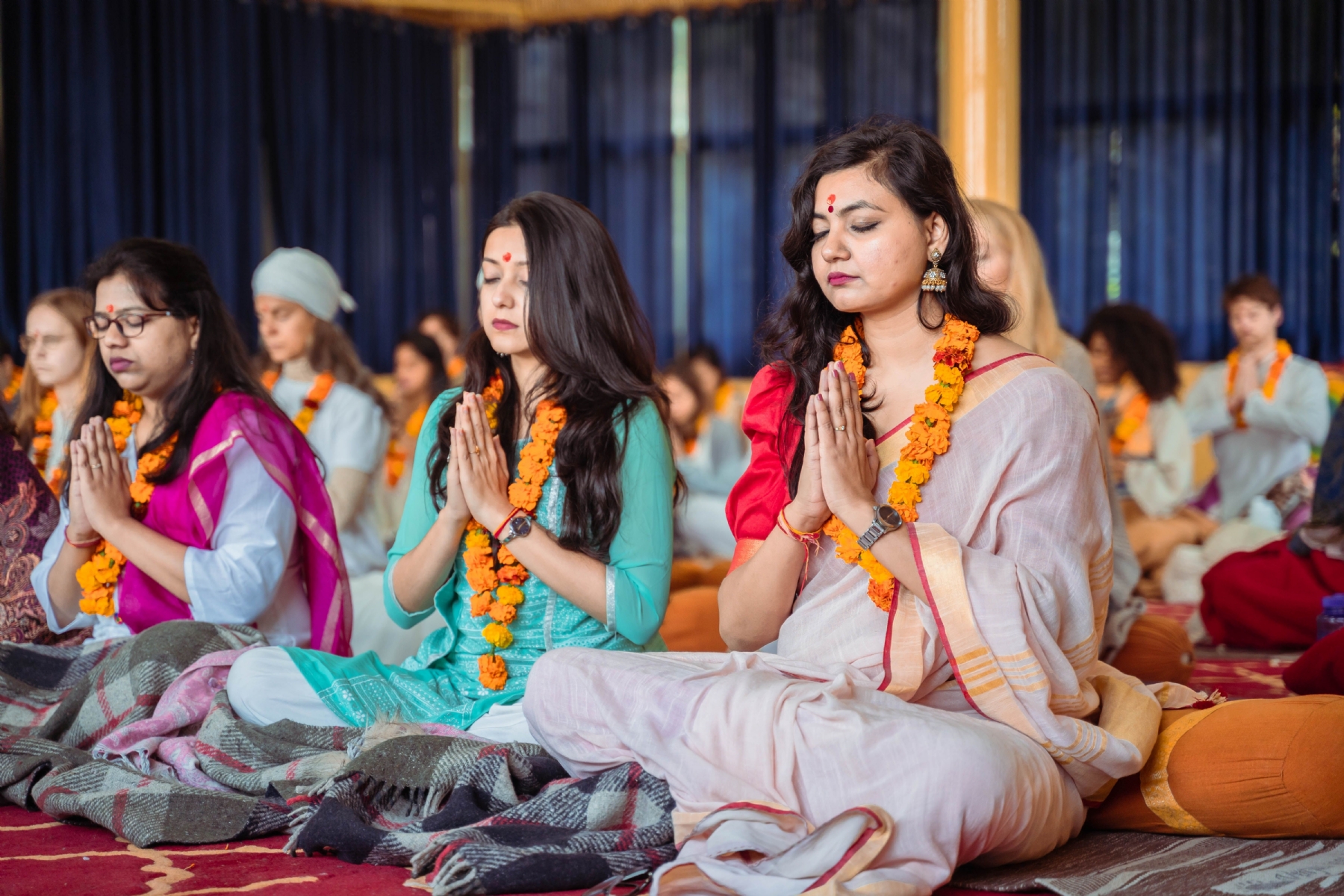
AI now writes our emails, answers our questions and keeps us company late at night. It is entering almost every field, even meditation, fitness and spirituality. Apps guide our breathing, videos demonstrate yogasanas and chatbots offer comforting words. Meanwhile, people of every age and majorly Gen Z, which is growing up amid constant connectivity, are searching for ‘calm’ through yog, pilgrimage, chanting and spiritual
teachers.
Today, attention is the new currency. Many digital platforms are designed to hold our attention. Notifications, autoplay and endless feeds encourage us to keep looking. The effects can be subtle: a quick check becomes half an hour, silence feels unfamiliar and the mind keeps waiting for the next update.
If one refers to our ‘Vedantas’ it teaches us that the mind tends to move in the direction of our attention.
For example, when we keep scrolling through social media, our mind keeps craving more updates. Similarly, if we focus on our breathing during meditation, the mind will gradually learn to become calmer and more attentive. This is where mindfulness begins. Mindfulness is not limited to merely sitting with closed eyes. It can include meditation, conscious breathing, yoga, asanas suited to one’s body like chanting, a mindful walk or simply listening fully to another person.
It means noticing what we think, feel and do without reacting automatically to every thought or notification. Mindfulness is not a trend or a product, it is rather a way of living with greater
awareness. But can a machine be conscious? AI can write emotionally about grief or generate a calming meditation. But does it feel what it describes? In Vedanta, the idea of the ‘sakshi’ or witness describes the awareness in which thoughts, sensations and memories appear. This is a spiritual and philosophical perspective and not a settled scientific conclusion. AI may mirror human language with remarkable skill but convincing expression alone does not prove inner experience.
Today in this digital age, online photos of deities, digital donations, accessibility to live aarti and much more are available.
A renewed interest in spiritual traditions is visible in many places. During Navaratri, people gather for garba, families visit the twelve Jyotirlingas, pilgrims travel to Vaishno Devi, Vrindavan and Mathura.
Bhajan nights and kirtans bring together music, friendship and devotion. Mantras move from temples to playlists and social media, reaching people who may never have encountered them otherwise.
So, does this make devotion less meaningful? Not necessarily. A chant discovered online may become a sincere personal practice. But there is a difference between sharing a spiritual reel and allowing its message to shape one’s life. The question is what happens after the screen is switched off. So, this festive season take a Stay Real Stay Sober pledge to be mindful, conscious and practise meditation in this increasingly growing age of AI.