Osteoporosis: The silent crisis of fragile bones and weak muscles
| Date :18-Oct-2026 |
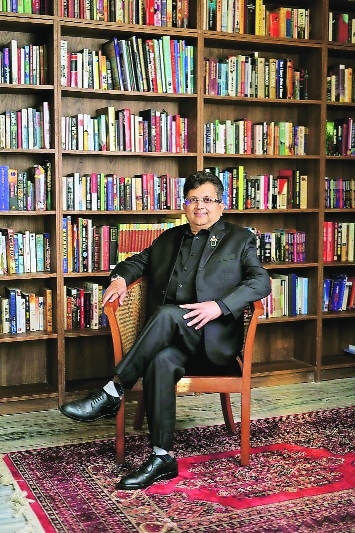
By Dr Sushrut Babhulkar
(MS Orth, MCh Orth, Liverpool, UK)
Ahead of World Osteoporosis Day on October 20, it is vital to raise awareness about osteoporosis - a silent disease that progressively weakens bones over time. Often, people discover they have osteoporosis only after a minor slip or low-impact fall results in a severe fracture.
According to the International Osteoporosis Foundation (IOF), 1 in 3 women and 1 in 5 men over the age of 50 will experience an osteoporosis-related fracture during their lifetime.
Root causes behind the condition:
Osteoporosis is not simply an inevitable consequence of getting old. In India, several compounding factors accelerate bone loss and muscle deterioration:-
Nutritional deficiencies: Inadequate dietary intake of calcium and widespread Vitamin D deficiency severely impair bone mineralisation (osteomalacia).
Declining hormonal levels: Bone loss accelerates during and after menopause due to falling oestrogen levels.
Loss of muscle strength (Sarcopenia): Fragile bones often coexist with reduced muscle mass and strength, leading to poor balance, slower protective reflexes, and an increased risk of falls.
Unhealthy lifestyle: Physical inactivity, smoking, excessive alcohol consumption, and long-term use of corticosteroids significantly increase vulnerability.
Key precautions to prevent osteoporosis and falls:
Prevention should begin early in life and continue through older age. Shifting from treating fractures to proactive prevention involves taking these necessary steps:
Optimize nutrition: Consume a calcium- and protein-rich diet including dairy, pulses, soy, and nuts. Check Vitamin D levels regularly and rectify deficiencies under medical advice.
Regular resistance exercise: Combine weight-bearing activities with resistance training and balance exercises to keep both bones and supporting muscles strong.
Prevent home falls: Modify home environments -especially bathrooms - by installing grab bars, using non-slip flooring, ensuring adequate lighting, and removing loose rugs or trip hazards.
Early screening: Women approaching menopause, individuals with a family history of fractures, or those experiencing early warning signs (such as persistent bone pain, difficulty rising from a chair, or slow walking speed) should undergo a DEXA scan to assess bone density.
Treating bone health requires a complete approach: strong bones matter, but strong muscles, proper nutrition, and a safe home environment make all the difference in preventing life-altering injuries.
The author is President of Trauma Society of India; President of Osteoporosis Society of India; and Director, Sushrut Hospital, Nagpur)