Reading the Stars: Indigenous Astronomy of the Gonds
Date :19-Oct-2026
By Dr Abhinav Mishra :
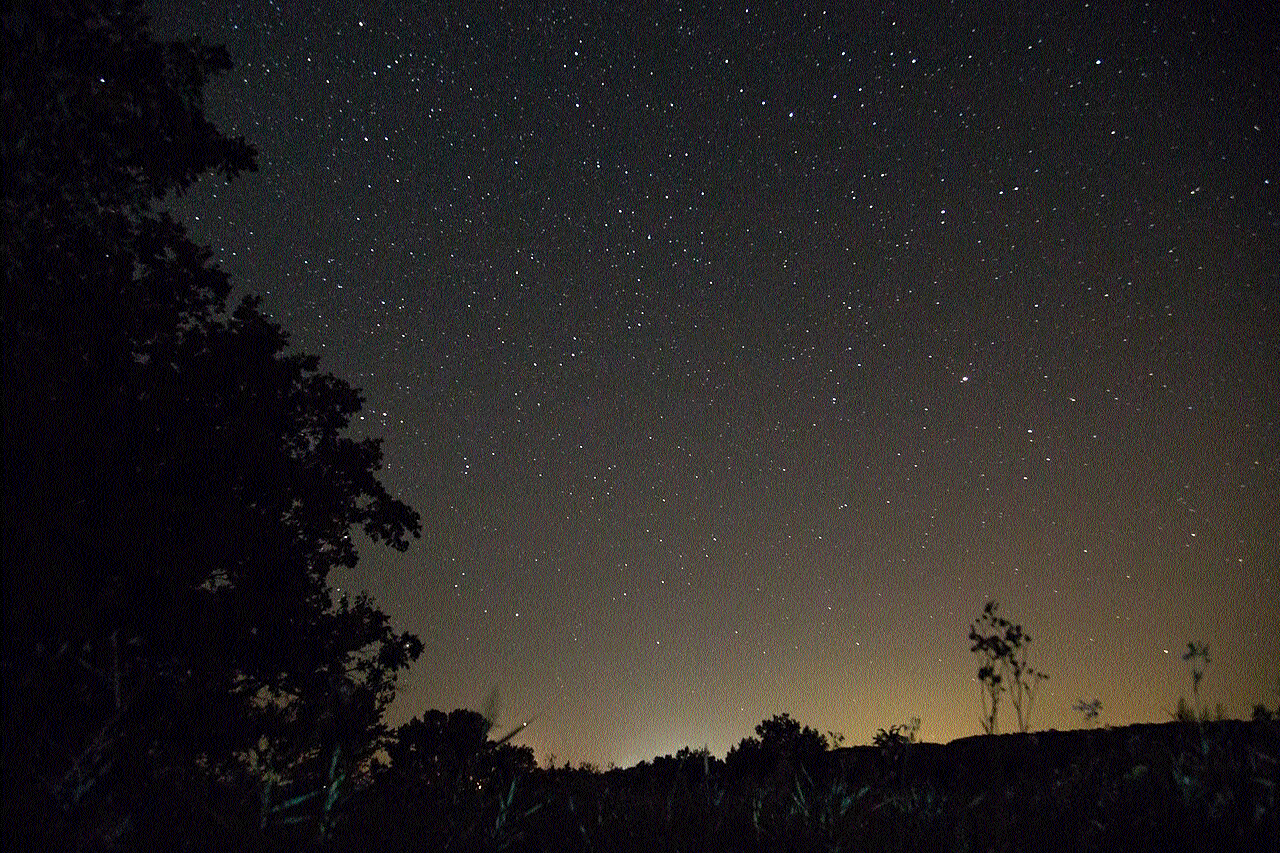
For generations, the night sky has served the Gonds as a clock, agricultural calendar and source of beliefs. Widely present in Chhattisgarh, this tribal community possesses astronomical knowledge closely linked to farming, forest livelihoods and everyday life, passed down through generations.
These traditions were documented by M N Vahia of the Department of Astronomy and Astrophysics at the Tata Institute of Fundamental Research, Mumbai, and researcher Ganesh Halkare. Their study reveals the Gond tribe’s distinctive understanding of celestial objects, differing from conventional astronomical traditions.
In Gond astronomical traditions, stars serve as markers of daily routines.
Jevan Tara, the evening star, indicates dinner time, while Dohan Chandani signals the time for milking livestock. An early-morning star around 4 am signals the beginning of the working day.
The Gonds traditionally look to the sky to anticipate rainfall. A group of stars locally known as Samdur appears around 4 am in late May, signalling the approaching monsoon. Its brightness signals good rainfall, while dullness suggests poor rainfall. Similarly, a glow around the Moon, called Kondor, indicates the proximity of rainfall.
Agricultural imagery also finds expression in the stars. Orion, a constellation depicted as a hunter in Greek astronomy, is known as Naagarda, a plough, among the Gonds. Its three central stars, forming the Belt of Orion, are called Tipan and signal the farming season. Nearby stars represent seed baskets and farming implements.
The Milky Way, called Dhor Sari, represents a route followed by migrating animals.
Saptarshi, a group of seven prominent stars, carries an unusual Gond belief. Four of its stars form Sedona Katul, an old woman’s cot whose legs are imagined to be made of gold, silver, inferior silver and copper. The remaining three stars, called Kalher,
represent thieves trying to steal the cot. According to belief, if the old woman ever falls asleep, meaning Saptarshi disappears below the horizon, the world would end.
Another group of stars associated with the constellation Leo depicts a funeral procession. Murda represents the dead body, Duf the drummer, Shika the procession leader and Ladavya a group of mourning women.
Comets, known as Bhimal Saat, are considered good omens in some Gond traditions. They are believed to represent the sword or broom of god Bhimal Pen, used to cleanse the world of evil.
Meteors, locally termed Huko Pelkat, are interpreted as the excreta of stars or souls falling from sacred places in the sky. Forest activities are also linked to celestial signs. A star known as Irukmara, visible around 3 am, traditionally signals the March-April Mahua-flowering season. The Gond lunar calendar also determines the timing of religious festivals, with celebrations linked to New Moon and Full Moon days. The Pole Star, known as Mout Tara or ‘umbilical star’, symbolises a connection with the centre of the universe, while the rainbow, called Kamarpatta, resembles an archer’s bow.
In Gond burial traditions, north is considered inauspicious and associated with evil, with burials generally aligned north-south and the deceased’s head towards the south. Gond astronomical traditions reflect a close connection with nature, agriculture and everyday life.