City’s first advanced molecular lab proposed at IGGMC
| Date :20-Oct-2026 |
Staff Reporter
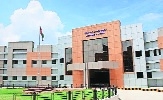
Bringing specialised diagnostic testing closer to patients, Indira Gandhi Government Medical College and Mayo Hospital (IGGMC) has proposed an advanced molecular laboratory that aims to provide both sample collection and testing under one roof.
The project, proposed this year, is awaiting Government nod, which is expected to complete eveything and be functional by March 2027.
According to Dr Nitin Shende, Medical Superintendent, the location for the proposed facility has already been finalised, with the necessary administrative approval remaining the key step before the project can move forward.
At present, samples for the specialised investigations concerned are collected at the hospital but sent to laboratories in Bengaluru and Mumbai for testing. The process is time-consuming, as transporting samples to other cities and coordinating the investigations can delay the availability of reports.
Molecular lab testing examines DNA, RNA, and proteins to identify diseases at the genetic and molecular levels. Detects tiny amounts of viral, bacterial, or genetic material, identifying diseases in early stages or when pathogen loads are very low
The proposed facility is expected to address this gap by enabling both sample collection and testing at IGGMC.
This could reduce dependence on laboratories outside Nagpur, simplify sample handling and potentially shorten the waiting period for results, depending on the tests offered and the laboratory’s capacity.
The development could be particularly beneficial for patients who depend on government healthcare and require specialised investigations. Timely access to test results can help doctors assess cases, plan further investigations and make treatment decisions without unnecessary delays.
Molecular diagnostics involves analysing genetic material or specific biological markers to identify infections and other medical conditions.
Depending on the equipment and tests approved, the proposed laboratory could expand the range of investigations available at the hospital and strengthen its diagnostic capabilities.
The facility could also improve coordination between doctors and laboratory specialists, while creating opportunities for postgraduate training and research. As a Government teaching
hospital, IGGMC could use the infrastructure to support
clinical studies and strengthen medical education, subject to the availability of trained
personnel and necessary approvals.