A Silent Checklist for Womanhood
Date :26-Oct-2026
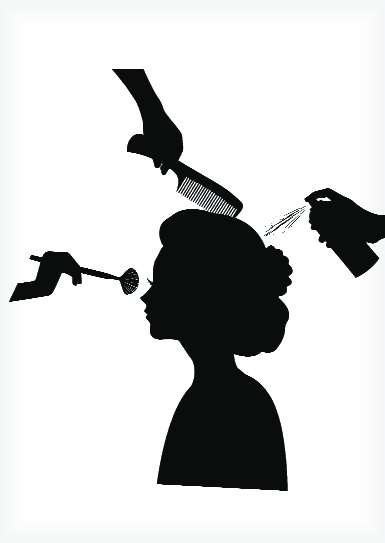
Nobody ever told me I had to get my eyebrows threaded. No rule was written, and no one sat me down. Yet last week, with the festive season round the corner, I found myself sitting on a parlour chair with my eyes squeezed shut and a thread snapping across my brow even as I wondered why I was there.
The answer is that no one needs to say it aloud. Somewhere between childhood and adulthood, a woman absorbs a silent checklist. Eyebrows shaped. Hands and legs smooth. Hair set. Skin glowing. Nails curated. Nobody hands us women the list, yet we all seem to know it by heart.
We learn it through the small moments: Someone’s glance that lingers a second too long on a stray strand of hair, or growth on the arms or blackheads on the nose.
Slowly we begin to believe that our natural faces and bodies are drafts awaiting correction.
As Diwali and the wedding season approach, parlours fill up
and not every woman in the queue is there because she wants to
be. Many are there because ‘it is needed’.
The irony is that the process itself is rarely pleasant. We lie there with watering eyes, enduring the sting of the thread, the heat of the wax and the pull of the strip. “It’s fine,” we say, for we have been trained to treat discomfort as the ordinary price of being ‘presentable’.
This is not an argument against beauty salons or the women
who like them. For many, a salon
visit is a genuine pleasure, and choosing how you look is a freedom worth defending. The trouble begins when the choice quietly stops being a choice and when we act out of fear of judgement rather than desire. The test is simple. Would you still do it if no one would ever notice, comment or compare? If the answer is yes, wonderful. If you hesitate, that hesitation deserves your attention.
Change may begin in small, unglamorous ways: A mother who does not comment on her daughter’s eyebrows, a friend who says “you look lovely” without adding “but,” a woman who skips one appointment and finds, to her own surprise, that she is perfectly fine.
No woman should feel embarrassed for being exactly as she is. The most radical thing in the parlour may be the woman who walks past it.
By Shiwali Deshpande
Dr Ambedkar
College of Law