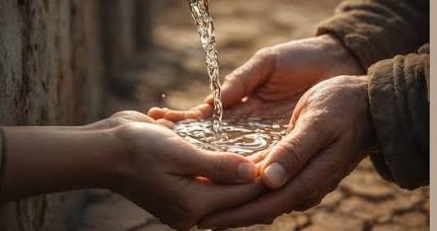
When every drop becomes precious
| Date :26-Oct-2026 |
AS DROUGHT tightens its grip on
parts of India, saving water is no
longer a distant environmental concern. It is a responsibility we owe our farmers, our communities and the generations yet to come.
A dripping tap may seem like a small
thing. A long shower may feel like a harmless indulgence. Water flowing down a
drain while we wash our cars or rinse a
pavement rarely stops us in our tracks.
But somewhere, a farmer may be watching a thirsty field, a village family may be
waiting for a water tanker, and a child
may be learning that turning on a tap does
not always mean water will come.
Water scarcity has a way of making the
invisible visible. Across parts of India,
erratic rainfall, prolonged dry spells and
falling soil moisture are placing pressure
on agriculture and communities. For
farmers, a failed monsoon can mean more
than a disappointing harvest: it can threaten incomes, livelihoods and the future of
an entire household. For families, scarcity can turn an ordinary daily necessity
into a source of anxiety.
Yet water is often wasted precisely
because it has been so readily available
to many of us. We forget that every litre
has travelled through a natural cycle of
rainfall, rivers, reservoirs and groundwater before reaching our homes. And
replenishing these sources takes time.
A crisis we can no longer ignore
“Water conservation is not just about
saving water; it is about securing our
future,” is a useful principle for households, businesses and policymakers alike,
says water conservationist Uday Bhaskar.
Using water judiciously does not
require dramatic sacrifices. Repairing
leaking taps, taking shorter showers, turning off the tap while brushing, running
washing machines only with full loads
and reusing suitable household water for
gardening can collectively reduce waste.
Rainwater harvesting can help replenish
local supplies, while drip irrigation can
deliver water more efficiently to crops.
Equally important is the way we think
about water. Conservation cannot remain
a seasonal reaction to drought, beginning
when reservoirs run low and ending when
the rains return. It must become a habit,
supported by responsible farming practices, better urban planning, efficient
industries and the protection of wetlands, lakes and watersheds.
The responsibility we share
No individual can solve India's water
crisis alone. Governments must strengthen water management, communities
must protect local sources, and industries and farms must use water responsibly. But personal choices matter because
they shape collective behaviour.
Water is more than a resource. It is the
harvest waiting in a field, the meal cooking in a kitchen, the health of a child and
the dignity of a family. We cannot command the clouds to rain. We can, however, stop treating every drop as though
another will always follow. The water we
save today may be the water someone
desperately needs tomorrow.