AIIMS set to introduce da Vinci robotic system for soft-tissue surgeries
| Date :27-Oct-2026 |
By Saniya Chakraborty :
A surgery lasting just a few hours can involve working around some of the body’s most delicate structures where even the smallest movement matters. Soft-tissue surgeries involving vital organs, blood vessels and nerves demand exceptional precision to avoid damage to surrounding structures. To make such complex procedures more precise and less invasive, AIIMS Nagpur is set to introduce the da Vinci robotic surgery system for soft-tissue operations in a month with Rs 38 crore sanctioned for the facility.
The institute is preparing to extend the use of robotic technology beyond bone-related surgeries for which a robotic system has already been operational for the past seven months. The new system will enable surgeons to perform complex, minimally invasive procedures involving soft tissues and internal organs, including the prostate, uterus, bladder and other abdominal and pelvic structures. Such procedures often require high precision, particularly when surgeons operate in confined spaces surrounded by delicate blood vessels and nerves.
Prof Dr Prashant Joshi, Director, AIIMS Nagpur, said the introduction of the technology would strengthen advanced surgical care at AIIMS Nagpur and help expand treatment options for patients requiring complex procedures. The system is expected to support surgeons in performing intricate operations with greater precision and potentially reduce blood loss, postoperative pain and recovery time in eligible patients, he explained.
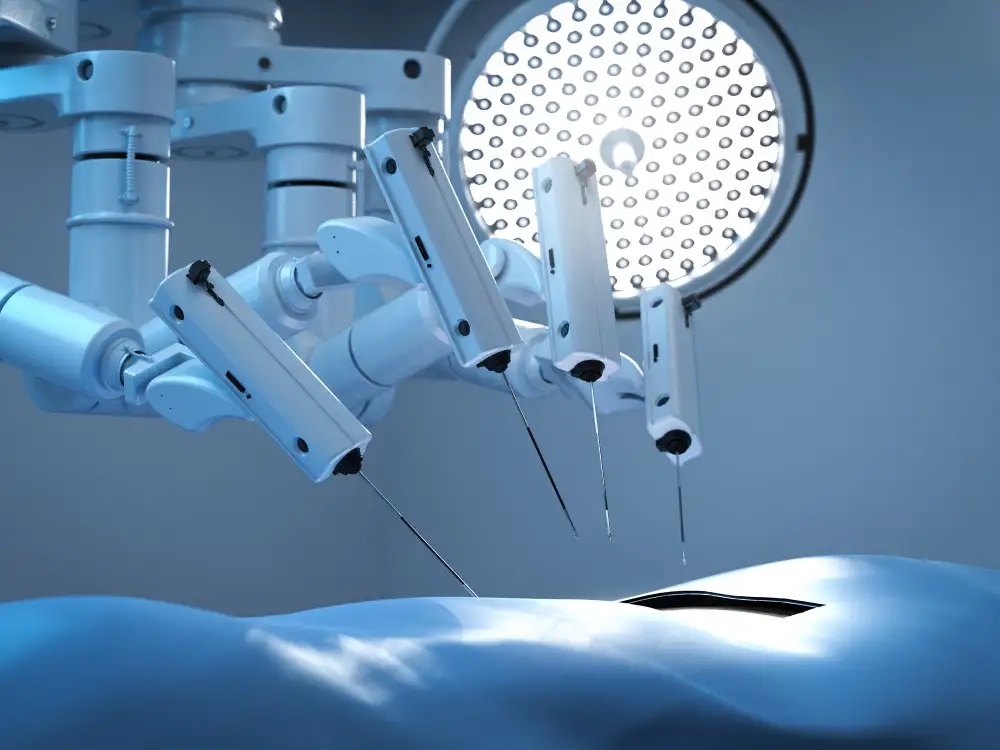
Unlike conventional open surgery, which may require large incisions, da Vinci robotic surgery is performed through small incisions to prevent blood loss and faster recovery, using specialised instruments attached to robotic arms. The surgeon sits at a console in the operating room and controls the instruments through hand movements. The system translates these movements into precise actions inside the patient’s body.
One of its key features is a magnified, three-dimensional view of the surgical area, allowing surgeons to identify delicate structures more clearly. The instruments also have flexible tips that help them manoeuvre in spaces that can be difficult to access using conventional surgical tools.
So robotic-assisted surgery can offer several benefits to eligible patients, including reduced blood loss, smaller scars, less postoperative pain and a shorter recovery period.
However, outcomes depend on the type of procedure, the patient’s condition and the surgeon’s experience.
The addition of the da Vinci system is expected to strengthen AIIMS Nagpur’s capacity to undertake advanced soft-tissue operations and marks a further step in the institute’s efforts to expand specialised health care services and improve the availability of minimally invasive treatment options.