SIR duties impacting routine functioning of Govt offices
| Date :03-Oct-2026 |
Staff Reporter :
Even as lakhs of electors continue to grapple with the ongoing Special Intensive Revision (SIR) of electoral rolls, the exercise is increasingly drawing criticism for its impact on routine functioning of Government offices already facing severe
staff shortages.
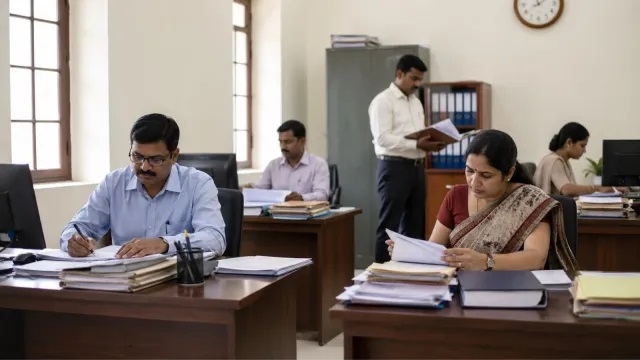
Across the district, citizens visiting revenue, registration, taxation and other public offices have frequently encountered absent officials and delayed services, often being informed that employees have been deployed for SIR-related work. The situation is now expected to come under further strain with election-related duties for the upcoming Nagpur Graduates’ Constituency election, scheduled for October 23.
The SIR exercise has been one of the largest manpower intensive drives undertaken in recent years. During the pre-mapping phase, thousands of Booth Level Officers (BLOs) and additional personnel drawn from various Government departments were deployed for door-to-door verification, distribution of enumeration forms and collection of voter information.
While many of these employees were released after completion of the initial phases, the latest change in procedure has once again raised concerns about fresh manpower requirements. The Election Commission recently scrapped the physical hearing process for unmapped and anomaly marked voters and directed BLOs to collect documents from electors by visiting their residences.
The documents will then be submitted to Electoral Registration Officers (EROs) and Assistant Electoral Registration Officers (AEROs) for further action. The deadline for filing claims and objections has been extended to October 12.
The revised system comes barely a week after physical hearings began across the district on September 23 amid complaints of confusion, overcrowding and procedural difficulties. In Nagpur district alone, 8.65 lakh voter records came under scrutiny during the SIR process.
Official data showed that 4,18,012 electors could not be mapped during verification, while 4,47,874 voters were flagged for anomalies, taking the total number of cases requiring scrutiny to 8,65,886. Citizens fear that if additional staff are once again diverted to support BLOs, delays in public services could worsen further. Several residents said obtaining routine certificates, completing registration work and securing approvals from Government offices has already become more time-consuming over the past few months. Officials, however, maintain that election-related activities are a statutory responsibility and necessary arrangements are being made to minimise disruption to public services. Whether those arrangements prove adequate may become clear in the coming weeks as the SIR exercise overlaps with another round of election duties.