Karale factor or Wanjari’s micro-planning?
| Date :30-Oct-2026 |
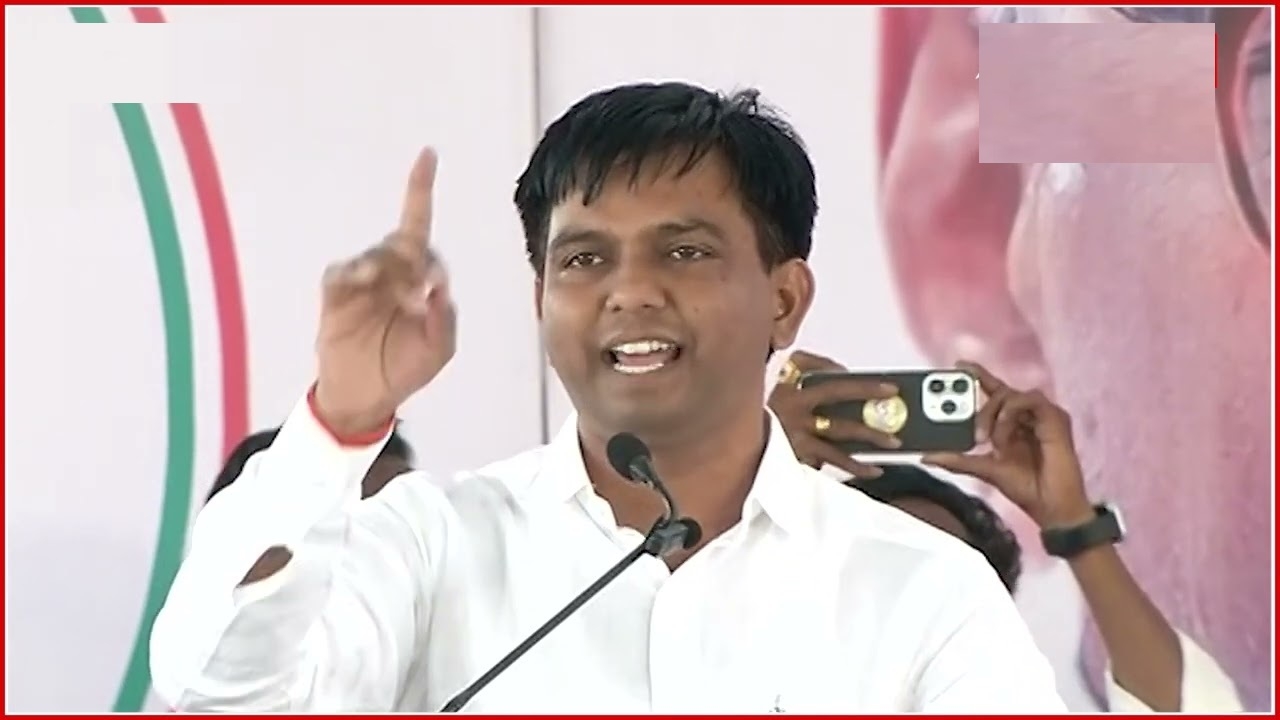
The biggest political development in Nagpur at this juncture is the victory of Congress’ Adv Abhijeet Wanjari in the Nagpur Division Graduates’ Constituency election. His victory has triggered a debate over what ultimately tilted the scales in his favour: the unexpected performance of Independent candidate Nitesh Karale or Wanjari’s meticulous planning, particularly his understanding of second-preference votes.
The answer appears to lie in a combination of the two factors. While Karale emerged as a significant factor in the counting process, Wanjari’s ability to benefit from the preferential voting system proved crucial in the final stages.
In the 2020 election, Wanjari had benefited from second-preference votes transferred from Karale. A similar pattern appears to have played a role this time, too. Karale secured more than 24,000 first-preference votes, and a significant number of his supporters are understood to have marked Wanjari as their second preference. Wanjari was trailing BJP candidate Sudhakar Kohale by more than 4,000 votes after the second round of counting. As the counting entered the elimination stage, Kohale maintained his lead for some time. However, the counting of second-preference votes from the ballot papers of eliminated candidates gradually altered the equation, with Wanjari gaining ground as Karale’s ballots were taken up.
The development underlined the importance of preferential voting in an election where securing the highest number of first-preference votes was not, by itself, sufficient to guarantee victory.
While the BJP’s strategy appeared to rely heavily on building a lead through first-preference votes, Wanjari's campaign also focused on the arithmetic of preferential voting. His experience in university politics, particularly the elections to the Senate of Rashtrasant Tukadoji Maharaj Nagpur University, had familiarised him with the calculations involved in such contests.
Karale, meanwhile, emerged as an unpredictable element. The number of first-preference votes he secured was significant enough to influence the elimination rounds. The transfer of second-preference votes from his supporters became a decisive feature of the final counting process.
BJP stronghold changes political equation
Wanjari’s victory is significant because the Nagpur Division Graduates’ Constituency has traditionally been considered a stronghold of the Bharatiya Janata Party (BJP). His second consecutive victory has challenged the assumption that the BJP would retain its hold over the constituency. The result has also brought renewed attention to the Congress’ organisational strategy in Nagpur. Wanjari’s campaign combined an understanding of electoral arithmetic with his experience in university politics and his familiarity with the constituency’s graduate voters. His ability to maintain working relationships within the party also appears to have helped the Congress campaign present a more united front. Rather than allowing internal differences to dominate the contest, the party rallied behind its candidate. The election has consequently raised questions about the relative importance of candidate-specific planning, party organisation and the second-preference votes of candidates eliminated during counting. For Wanjari, the result represents more than a repeat victory. It demonstrates how an election fought under the preferential voting system can turn on calculations that extend well beyond first round of counting.