Anti-suicide fans, a measure alreadyadopted by foreign universities
Date :05-Oct-2026
NEW DELHI :
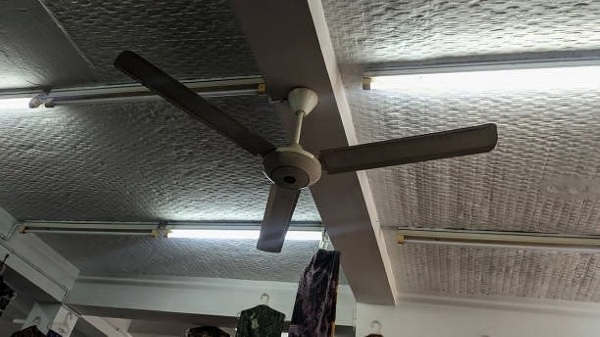
SPRING-loaded “anti-suicide”
fans, enclosing fans in mesh
guards or replacing ceiling fans
with wall-mounted units---the
physical modifications by Indian
education institutions to prevent
student suicides might be attracting criticism as “bandaid measures” but the approach has been
adopted previously by several
foreign universities.
University of Houston (UH)
had in 2023 made changes in its
infrastructure, including installation of security fencing around
the building and temporary barriers to secure the upper-level balconies, inner stairwell and sky
bridges, after two students died
by suicide on the campus.
Following the incident, the
University had created an Agnes
Arnold Hall Taskforce and undertook a three-phase renovation.
At US’ Cornell University, a
cluster of suicides during the
2009-10 academic year, three of
which involved university students jumping from or near East
Hill bridges within a month,
prompted installation of steelmesh nets on bridges spanning
the gorges around campus.
Harvard University’s “Means
Matter” guidelines, based on recommendations contributed by
the Suicide Prevention Resource
Centre (SPRC) also say that
“restricting access to lethal
means is one strategy in a comprehensive approach to reducing the risk of suicide on a college campus”.
University College London
and Brunel University of London
also have a policy of installing
window opening restrictors in
student residences.
At Oxford’s Wadham College,
students are prohibited from
interfering with window restrictors, while access to roofs, parapets and canopies is prohibited.
Balconies are also fitted with
guard rails.
While the restrictions are
documented policies by the three
institutions, they have not
defined whether these are part
of a wider suicide-prevention
strategy