Research finds antibiotic resistant bacteria at IGGMC’s Microbiology Deptt
| Date :06-Oct-2026 |
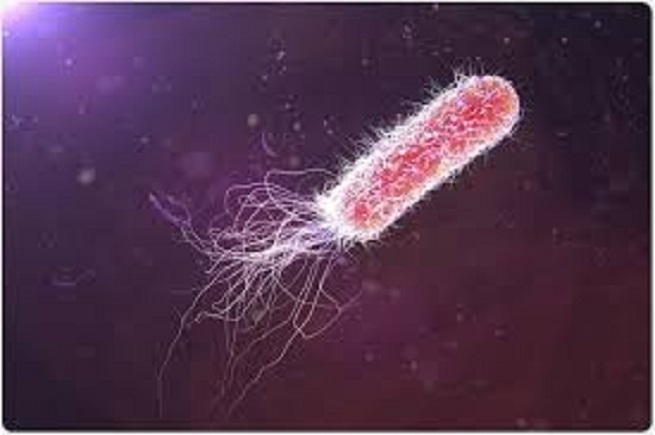
Found in environment, particularly soil and water, Pseudomonas can enter healthcare settings through contaminated water, wet surfaces, equipment and hands
Saniya Chakraborty :
The bacteria sticks to a surface and builds a protective sticky layer around itself making it hard for drugs to quell and immune system to reach and destroy it
A hospital-associated bacterium Pseudomonas aeruginosa, which is capable of causing pneumonia, urinary-tract infections, wound infections and bloodstream infections is showing multiple ways of surviving antibiotic treatment. Pseudomonas is commonly found in the environment, particularly soil and water, and can enter healthcare settings through contaminated water, wet surfaces, equipment and hands. It can spread when a patient comes into contact with contaminated equipment or surfaces, or through healthcare workers’ hands. Water and moist areas are the places where the bacteria survive and multiply.
The bacteria mainly becomes a concern when it reaches vulnerable patients, particularly those on ventilators, people with catheters, patients with open wounds or burns and those with weakened immunity. It can cause lung, urinary-tract, wound and bloodstream infections. Symptoms depend on the infection: pneumonia may cause fever, cough and breathing difficulty; urinary infection can cause burning while passing urine and frequent urination; while wound infection can cause redness, swelling, pain and discharge. A bloodstream infection can become severe and lead to sepsis.
A study involving 22,125 clinical samples at Microbiology Department Indira Gandhi Government Medical College and Hospital (IGGMC) found 4,603 culture-positive samples, including 785 Pseudomonas aeruginosa isolates. The bacteria showed resistance to several commonly used antibiotics - 79 per cent to ceftazidime, 45 per cent to imipenem, 41 per cent to meropenem and 34 per cent to piperacillin-tazobactam. Resistance was also found against ciprofloxacin (25 per cent) and levofloxacin (20 per cent), while the tested isolates remained susceptible to colistin.
A separate study by IGGMC researchers, involving 500 Pseudomonas isolates, explains why the bacteria can be difficult to eliminate. One of its major defences is biofilm formation.
In simple terms, the bacteria can stick to a surface and build a protective, sticky layer around themselves. This can make it harder for medicines and the body’s immune system to reach and destroy them. About 52.36 per cent of the isolates showed reliable biofilm formation.
The bacteria can also produce substances that weaken certain antibiotics. The study found enzymes that destroys common antibiotics like penicillins and cephalosporins. Doctors can still treat Pseudomonas infections, but the medicine has to be selected carefully. A sample from the patient can be tested in a laboratory to determine which antibiotic is likely to work. Doctors may then use an effective antibiotic, including newer medicines when required. Prevention remains important. Hand hygiene, proper cleaning of hospital equipment, safe wound and catheter care, infection-control measures and avoiding unnecessary antibiotics can reduce the risk of spread.