BTR - A safe haven for vultures
| Date :10-Nov-2026 |
Staff Reporter
Bandhavgarh Tiger Reserve, (BTR) widely known for its thriving tiger population, is increasingly emerging as a safe haven for vultures as well. The latest census figures have recorded a significant rise in their population, highlighting the success of conservation efforts and improved habitat management.
Field Director of Bandhavgarh Tiger Reserve, Dr Anupam Sahay informed that according to the latest vulture census conducted on May
24, 2026, the reserve recorded 388 vultures, including 358 adults and 30 juveniles. This marks a substantial increase from 172 vultures (159 adults and 13 juveniles) recorded in early 2021. Their population had risen to 300 in 2024.
The continued presence of young vultures indicates that the reserve provides favourable conditions for breeding and population growth.
Seven vulture
species recorded
Surveys conducted during summer and autumn, along with visits by bird experts, have documented seven vulture species in the reserve.
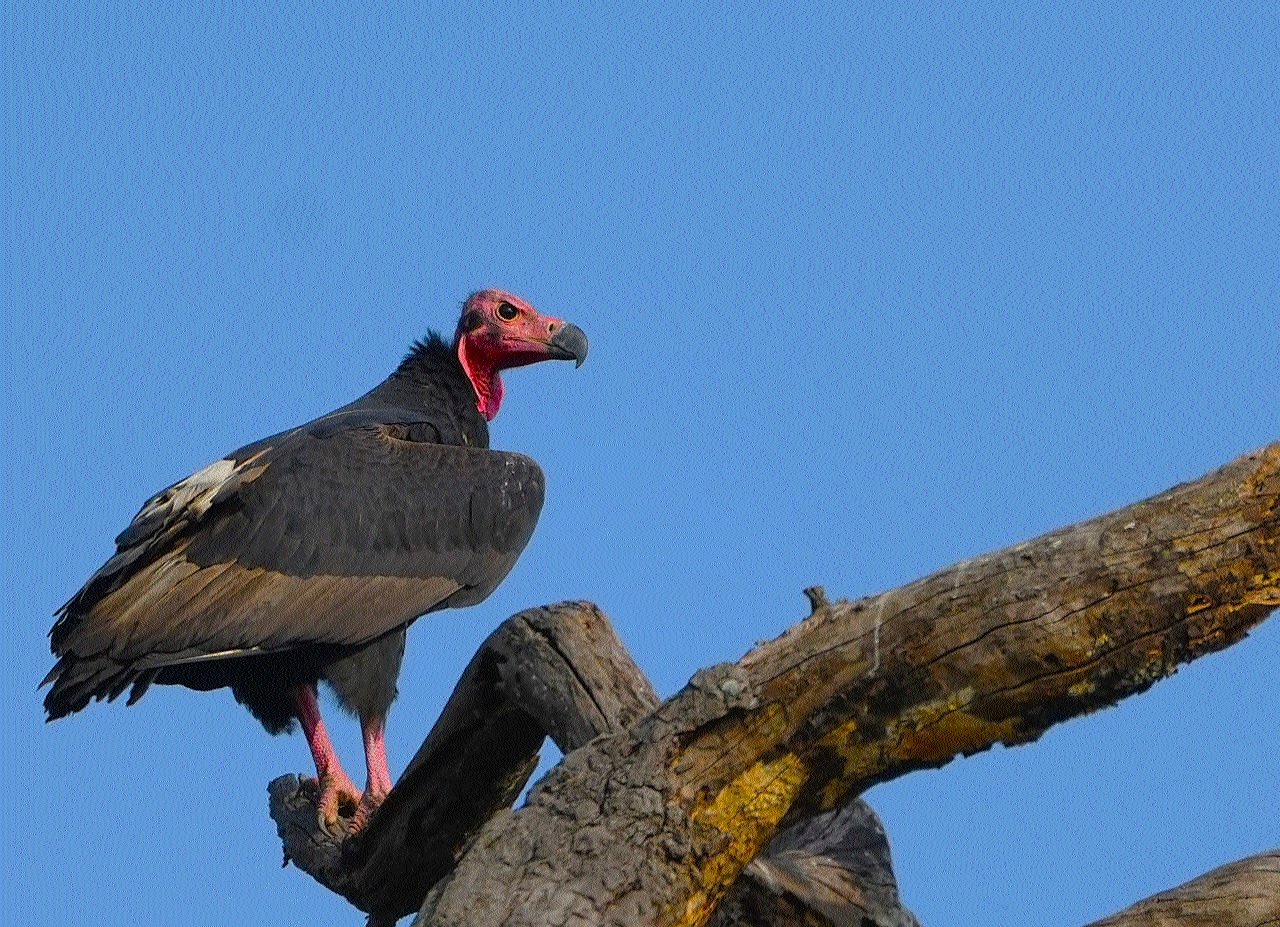
These include the Indian Vulture (Long-billed Vulture), Egyptian Vulture, Red-headed Vulture, White-rumped Vulture, Cinereous Vulture, Himalayan Griffon and Eurasian Griffon.
While Indian Vultures are the most commonly sighted, Himalayan and Eurasian Griffons visit the reserve during winter after migrating from other regions. The White-rumped Vulture, a species whose population has declined sharply across the country, has also been recorded in the reserve.
Favourable habitat and conservation measures
The Vindhyan mountain ranges, with their steep cliffs and deep valleys, provide suitable
nesting and breeding sites for vultures. Rising warm air currents in the valleys help these large birds soar for hours with minimal wing movement while searching for food.
Conservation measures
have also played an important role in their increasing numbers.
The ban on veterinary use of diclofenac, a drug responsible for widespread vulture deaths after birds consumed carcasses of treated livestock, has helped ensure safer food availability.
Bandhavgarh management has also focused on protecting nesting sites from forest fires during summer and preventing human disturbance in sensitive habitats.
Vital role in
maintaining
ecological balance
Vultures are regarded as nature’s sanitation workers because they feed on animal carcasses and help prevent
the spread of diseases such
as rabies and anthrax. Their presence and growing population are also considered important indicators of a healthy ecosystem.
The increase from 172 vultures in 2021 to 388 in 2026, covering seven recorded species, reflects the positive impact of scientific wildlife management and sustained conservation efforts at Bandhavgarh Tiger Reserve.