JNAU scientists working to preserve indigenous paddy varieties
| Date :11-Nov-2026 |
Staff Reporter
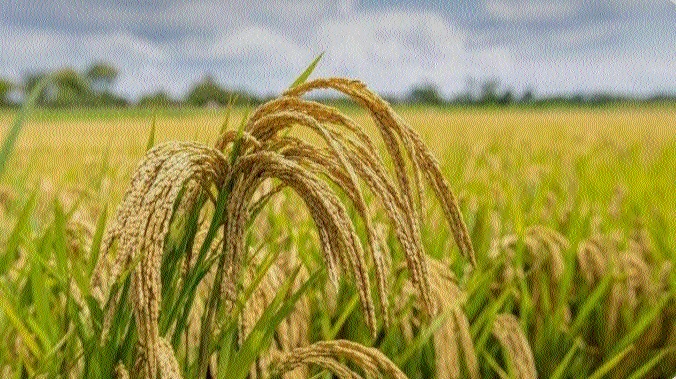
India’s rich agricultural heritage boasts approximately 50 million hectares of land dedicated to paddy cultivation, yielding nearly 135 million tons annually. While the Green Revolution and modern agricultural practices introduced high-yielding varieties, they significantly narrowed the scope of India’s traditional rice diversity, which historically exceeded 100,000 native varieties.
Today, agricultural scientists at Jabalpur’s Jawaharlal Nehru Agricultural University (JNAU) are leading critical research initiatives to preserve the unique flavours, aromas, and distinct qualities of these indigenous strains while tackling inherent agronomic challenges.
Traditional native rice varieties, including Khatriya, Loundi, Lohandi, Jamun Surkhi, Biranjphool, Jeeraphool, Kali Muchch Pouni, Kali Kamad, Kali Sareya, Dhaniya Dhan, Pasai Dhan, Khurdi, Navari, Aishwarya, Dubraj Kallu, Gumtiya, Kishori Dhan, Safed Sareya, Nungi and Padma, possess exceptional sensory profiles.
A 2024 study utilised 22 SSR DNA markers to analyse the genetic diversity and identification of 100 such traditional varieties. However, senior scientist Dr Sanjay Singh noted that native plants typically grow to heights exceeding four feet. When heavy grains develop, the tall stalks often lodge or bend downward, causing incomplete grain development and diminished yields for farmers.
To overcome this, researchers are developing innovative
solutions that reduce plant
height without altering the authentic taste, fragrance and grain characteristics.
A prime breakthrough is the newly-developed variety JR 2028-5, created by introducing specific genes into the native Kali Muchch variety without compromising its original quality. This new variety is expected to nearly double production and significantly improve milling efficiency, increasing head rice recovery from the standard 60 per cent to approximately 70 per cent.
Scientists anticipate making this variety available to farmers within the next one to two years.
Furthermore, research is actively underway on other notable indigenous varieties such as Khatriya, Loundi,
Luchai, Jeera Shankar, and
North India’s renowned Kala Namak, alongside reviving the popular Madhuri variety to combat pest and disease pressures associated with continuous monocropping.
Vice-Chancellor, JNAU, Dr P K Mishra emphasised that the university’s objective extends beyond conservation to empowering farmers by securing Geographical Indication (GI) tags for regional protection.
Director of Research Ashwani Kumar Jain added that efforts are well underway to ensure these enhanced, high-yielding traditional varieties reach agricultural communities efficiently.