RS 3200 cr CHHATTisgarh liquor scam High Court grants bail to Ramgopal Agrawal
| Date :11-Nov-2026 |
Staff Reporter
Raipur,
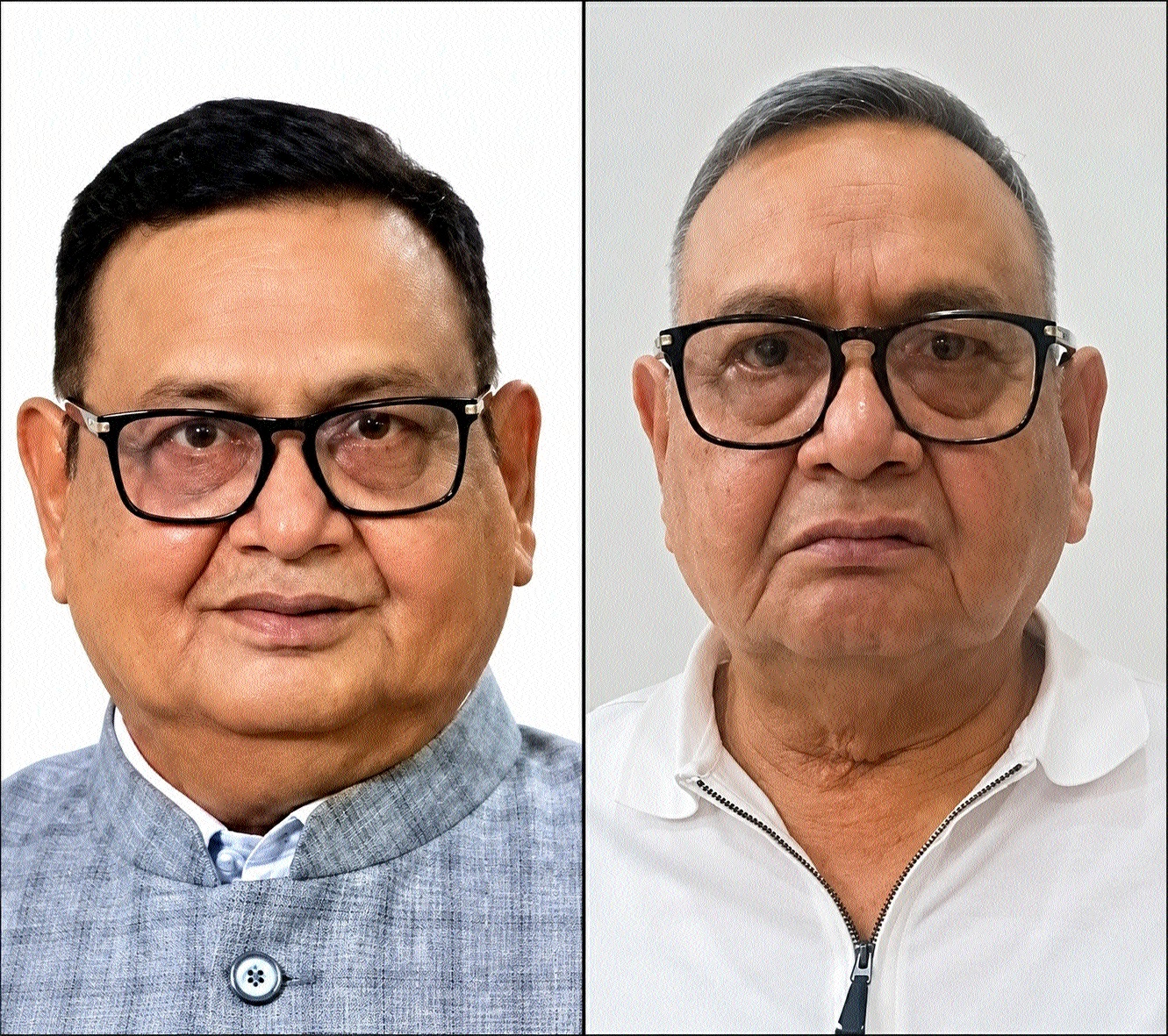
The Chhattisgarh High Court granted regular bail to Ramgopal Agrawal in the alleged Rs 3200 crore liquor scam investigated by the State Economic Offences Investigation and Anti-Corruption Bureau (SEOIACB), citing the absence of his name in the original FIR, documentary evidence already seized, parity with co-accused and the prospect of a prolonged trial.
Justice Bibhu Datta Guru allowed his application in FIR 04/2024, registered on January 17, 2024, concerning alleged irregularities in liquor manufacture and sales between 2019 and 2023. The order was reserved on November 4 and pronounced on November 5.
Agrawal, 67, has been in custody since July 17. The court observed that he was implicated through a subsequent supplementary chargesheet, no recovery remained pending from him and no specific overt act was attributed to him in
the FIR. The State opposed bail, alleging Agrawal directed cash deliveries through Lakshminarayan Bansal and Devendra Dadsena.
Prosecutors referred to Bansal’s estimate of approximately Rs 1,000 crore in cash consignments, while acknowledging that nothing had been seized from Agrawal.
His lawyers disputed the
allegations, questioned the reliability of statements and cited bail granted to several co-accused. The court noted the voluminous records and numerous witnesses, concluding that trial proceedings could take considerable time.
The underlying FIR invokes cheating, forgery, criminal conspiracy and relevant provisions
of the Prevention of Corruption Act, 1988. Bail requires a Rs 1 lakh personal bond with two local sureties of equivalent amounts, passport surrender, cooperation and non-interference with witnesses. Breaches could invite cancellation. Separately, Justice Rakesh Mohan Pandey admitted Agrawal’s application against the Enforcement Directorate (ED), sought the case diary and granted three weeks for a reply. Another State-related application, before Justice Narendra Kumar Vyas, stands listed for November 20. The court, however, expressly clarified that its bail observations do not determine the merits of the prosecution case.