Govt to set up ICT labs in 1,589 schools for bridging digital divide
| Date :12-Nov-2026 |
By Sagar Mohod :
Key points of ICT, digital initiatives
Universal and equitable access to all, Digital literacy
and skill development, Pedagogical integration of ICT,
and Optimal utilisation and minimum cost of operation.
As Information and Communication Technology (ICT) becomes a cornerstone of modern society, Maharashtra Government in a major decision has decided to empower the school students through set-up of Smart Classrooms across 1589 schools.
The objective is to improve students learning outcomes. It is widely accepted in psychology that children tend to grasp subjects faster in case of audio visual content. Further the project is aligned with aims of New Education Policy (NEP) that calls for promoting Digital Infrastructure, it highlights the significance of ICT in revolutionising the education system.
Maharashtra Information Technology Corporation Limited (MahaIT) is designated as nodal agency on behalf of Maharashtra Prathamik Shikshan Parishad (MPSP) under Samagra Shiksha for implementation of this
project.
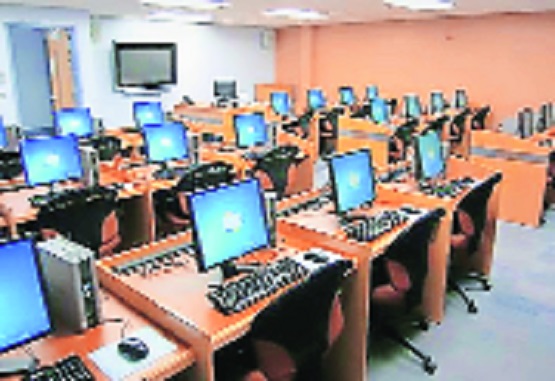
The Government decided to end the discrimination and introduce Smart Classrooms across the spectrum. Through the ICT labs, State aims to promote digital literacy among students by giving them hands-on experience in using computer, exploring software applications and digital devices, said officials familiar with the project.
Advantages: The ICT Labs in State run schools would help bridge the digital divide, ensuring equal access to technology and digital resources to all spectrum of students. Moreso, the teachers would also able to innovate the teaching practices through use of technology, it is now part and parcel of life.
The teachers would undergo through training in usage of the modern technology and devices and improve the pedagogical
strategies.
Project: Elaborating on the project more, the officials said that ICT core principles are access, equity, and quality to all and leveraging it can facilitate the delivery of high-quality to transform the landscape of education in India. Moreover, ICT and Digital Initiatives have shown promise in cultivating foundational skills, thereby laying the groundwork for the acquisition of vital 21st-century skills such as effective communication, collaboration, creativity, critical thinking, and problem-solving.
ICT labs in schools would help create a dynamic and interactive learning environment, providing access to diverse digital resources, online libraries, and multimedia content, in short opening a unending resource of learning.
This would then promote personalised learning, allowing students to explore topics at their own pace and cater to individual strengths. Also, the interactive software and simulations can enhance student engagement and comprehension of complex concepts.
As technology improves, ICT Labs are undergoing a transformation to meet the changing needs of learners. They are now equipped with state-of-the-art tools and resources, allowing students to engage in hands-on activities, collaborative projects, and experiential learning. Furthermore, they are designed to foster creativity, critical thinking, problem-solving, and digital literacy skills.
Challenges at schools: The main reason for universal push for ICT Labs and Digital Initiatives in Government schools is to end the disparities in access to educational resources and opportunities as same hinders students overall development, especially in rural areas. The absence of ICT Labs was due to economics as the schools are located in disadvantaged areas. Also, many schools lack the necessary infrastructure, including computers, internet connectivity, and ICT equipment.