With just 2 counsellors, Bharosa Cell struggles to clear 497 family disputes
| Date :12-Nov-2026 |
By Simran Shrivastava :
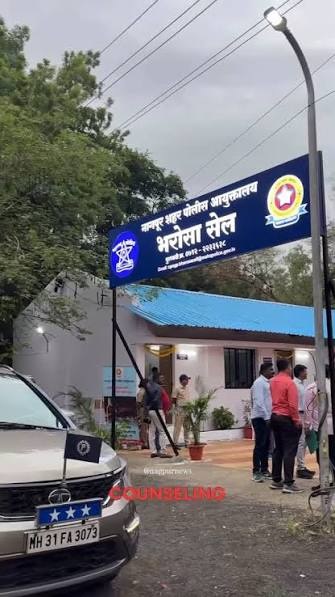
The Bharosa Cell of Nagpur City Police is struggling to clear its growing pile of domestic dispute cases, with just two counsellors handling a workload for which it needs eight more.
The shortage has pushed pendency to 497 cases by September 2026, from zero at the end of 2025, while the proportion of complaints settled through counselling has slipped from around 35% to 22%. Of the 1,597 complaints received between January and October this year, only 356 were settled, against 662 out of 1,912 complaints in the whole of 2025.
With cases that should ideally be resolved within two months now taking almost twice as long, the centre is finding it difficult to provide timely intervention to women and families approaching it for help.
“Counselling requires repeated sessions, follow-ups and discussions with both parties before a dispute can be settled. The two counsellors have to juggle new complaints with cases already under intervention, leaving little room to speed up the process,” an official shared.
As the queue grows, families seeking help are left waiting, while unresolved disputes continue to hang fire. Of the 1,597 complaints received this year, 1,275 were referred by police stations, while 325 couples approached the cell on their own.
The number of couples voluntarily seeking intervention has dropped from 416 in 2025. Domestic violence complaints have also risen, with 185 cases received this year, 33 more than the previous year. The pressure can be observed in the the number of cases moving towards court proceedings. During 2026, 67 cases were referred to the district court under Section 498A, while 97 domestic violence cases were sent to the family court. Some couples have approached the Nagpur Municipal Corporation’s One Stop Counselling Centre amid delays at Bharosa Cell. The shortage and mounting pendency were flagged in a report submitted to Police Commissioner Vishwas Nangre Patil last month.
He assured that the required counsellors would be provided by next week. The issue of counsellors’ honorarium may be taken up with the
Women and Child Development Department. Another proposal is to train women police personnel with postgraduate qualifications in social work and deploy them as counsellors.