Coughs, sneezes, itchy throats: City sees surge in respiratory diseases post-Diwali
| Date :16-Nov-2026 |
Staff Reporter :
Precautions to protect respiratory health
Health experts recommends to avoid exercising, jogging or walking near busy roads and areas with visible smoke. Wearing a well-fitted N95 mask when stepping outdoors can help reduce exposure to fine particulate matter. People with asthma or other respiratory conditions should continue prescribed medication and inhalers. A persistent cough, high fever, wheezing, chest discomfort or breathlessness should not be dismissed as a routine post-Diwali reaction. Medical consultation is essential if symptoms worsen or persist. Antibiotics and other medicines should not be taken without
medical advice.
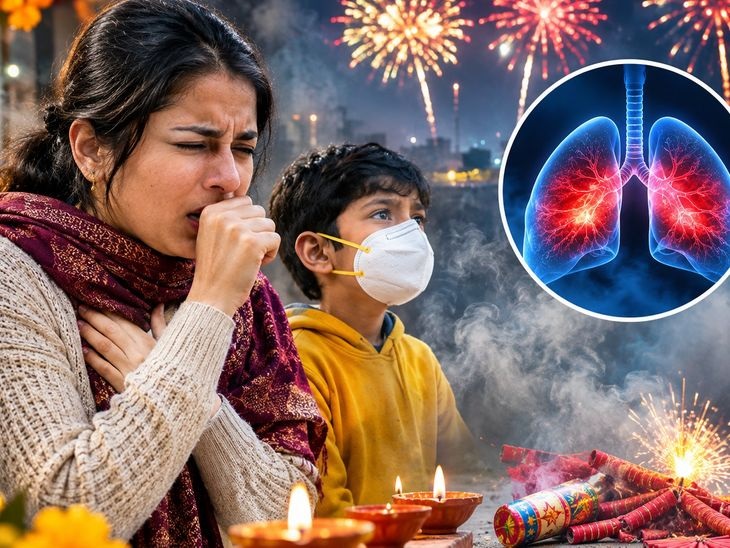
A persistent cough, a scratchy throat, bouts of sneezing and fever have become common complaints during the days following Diwali, with pollution, changing temperatures and seasonal viral infections emerging as major contributing factors. A high number of patients suffering from
respiratory diseases can be seen across the city, with most
cases reportedly caused by
allergies.
The combination of firecracker smoke, dust, deteriorating air quality and colder mornings and evenings is putting additional strain on respiratory health, making children, elderly people and those with pre-existing
respiratory conditions particularly vulnerable.
Dr Chetan Sharma, Head of Critical Care, stated that the post-Diwali period often brings a combination of environmental and seasonal triggers. Firecrackers release fine particulate matter (PM2.5 and PM10), sulphur dioxide, nitrogen oxides and other harmful substances into the atmosphere.
These pollutants can irritate the nose, throat and respiratory tract, leading to coughing, sneezing, throat irritation, watery eyes, breathlessness and worsening of existing allergies. The problem is further compounded by seasonal changes. “As temperatures fluctuate and mornings and evenings become colder, people may experience increased susceptibility to respiratory infections.
Viral illnesses such as influenza and other seasonal respiratory infections also circulate during this period,” explained Dr Sharma. Crowded gatherings, social visits and indoor celebrations during Diwali can further facilitate the spread of respiratory viruses. “Pollution can inflame the airways, aggravate existing symptoms and make respiratory illnesses more uncomfortable.
This distinction is important because persistent fever may indicate an infection rather than simply the effects of pollution,’ added Dr Sharma. Nagpur’s pollution readings underline the concern. According to air quality monitoring data reported on November 10, the city’s AQI climbed to 272, while PM2.5 and PM10 concentrations touched 500 micrograms per cubic metre at several monitoring locations, including Ambazari, GPO and Ram Nagar.
Although pollution levels subsequently declined, the exposure during and immediately after Diwali could continue to affect respiratory health.
Another concern is the circulation of seasonal influenza viruses. Fever, cough, sore throat, headache, body ache and fatigue are among common influenza symptoms. Children, senior citizens, pregnant women and people with compromised immunity are particularly vulnerable to
complications.