Lightning strikes kill over 900 people in last 5 yrs
| Date :16-Nov-2026 |
Staff Reporter :
Raipur :
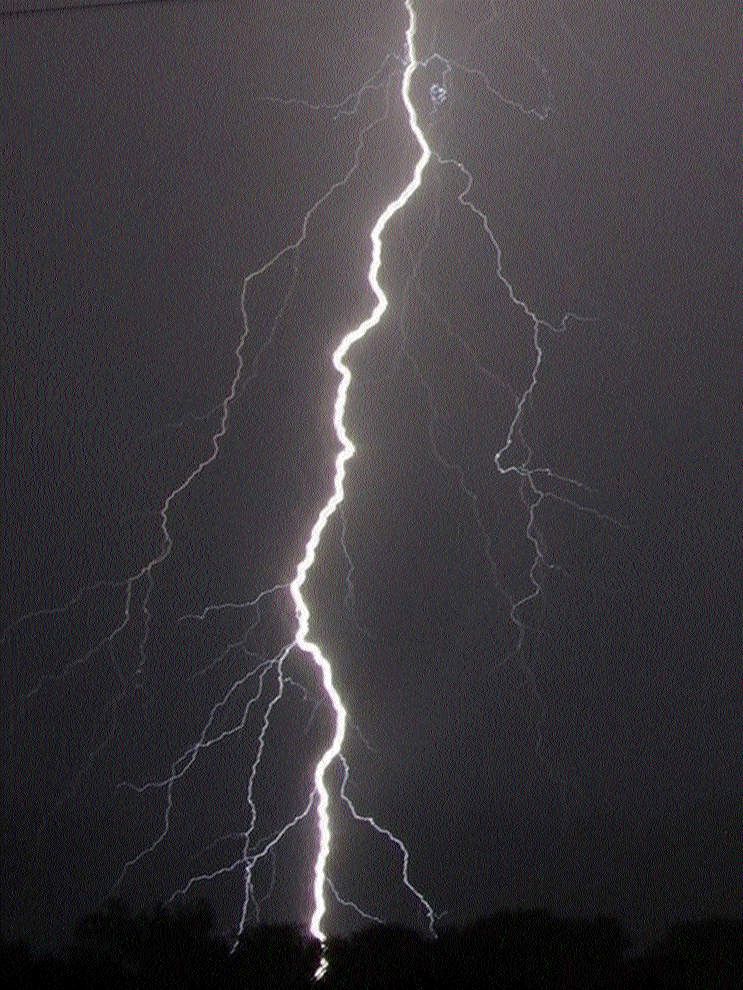
Lightning Strikes have now become one of the Chhattisgarh’s most deadly threats with their frequency rising rapidly and claiming more than 900 human lives in last five years (October 2021 to September 2026).
Apart from remote and rural areas, urban areas of the State have also reported many cases of deaths or injuries from lighting strikes. Both National Disaster Management Authority and Chhattisgarh State Disaster Management have warned
people about such strikes and conduct awareness programmes at regular intervals of time to protect people from this-but it all proves to be in vain.
Even in last two months of September and October, 25 people lost their lives from lighting strikes: eight people were killed due to lighting strikes at Somani-Rajnandgaon in September while in October, 7 people were lost lives from it in Mahtara village of Balodabazar-Bhatapara district.
Almost all districts across five
divisions (Raipur, Bilaspur, Durg, Bastar and Surguja) in the State have recorded deaths from lighting strikes in monsoon season and also El Nino in October and Arnab cyclone from Bay of Bengal in November have caused heavy rainfall in many parts of Chhattisgarh and due to it, many of the people have injured from lighting strikes. From July 2024 to June 2026, Chhattisgarh has reported 434 deaths of people from lighting strike in its different districts and as a result of it, State Government has released 17.28 crore rupees as relief funds to families of these victims. Earlier, districts of Bastar and Surguja divisions used to report maximum deaths and injuries from lighting strikes but in last three years, districts of Raipur, Bilaspur and Durg division have also seen a sharp rise in death and injury incidents of people from it. In Durg division, 45 people have lost their lives from lighting strikes in between June to October months.
“The frequency of lightning strikes has increased considerably over the years in districts of Raipur and Durg which reported less rainfall than districts of Surguja and Bastar divisions due to climate changes as well as poor awareness among people regarding it. We are continuously tracking the trend. These are basically two types of lighting-cloud to cloud and cloud to ground. It is the cloud to ground strikes that cause fatalities” explained Dr Pravir Kumar Sen, former member of National Disaster Management Authority and Weather Expert. Many of the weather experts were of the view that state-of-the-art lighting detectors, which act as early warning systems for lighting strikes can help in detecting the lightning and thereby prevent such tragedies to a great extent. Dr Anita Sawant, Environmentalist stated that the increase in frequency is mostly owing to atmospheric instability, including unpredictable rainfall and instability means air rises faster, creating more violent thunderstorms.