Tulsi The leaf of life
| Date :17-Nov-2026 |
By Raajwrita Dutta :
A few tulsi leaves steeped in hot water, a handful added to homemade kadha, or a plant growing in a sunny balcony corner: tulsi is familiar in many Indian homes. Its fragrant leaves feature in traditional remedies, herbal drinks and household practices.November is a good time to appreciate this plant. As cooler weather sets in India, families often turn to warm herbal preparations. Tulsi grows well in pots or garden beds with sunlight and well-drained soil.
In frost-prone regions, it needs protection from severe cold. Botanically known as Ocimum tenuiflorum, tulsi is also called holy basil. It has a long history in Ayurveda and contains aromatic compounds that have attracted scientific interest. Here are seven ways it is used.
A familiar ingredient in home remedies
Tulsi leaves are often added to homemade kadha with ginger, black pepper and other kitchen ingredients when someone has a cough or sore throat. Such preparations remain popular, but traditional use does not establish that tulsi cures infections or replaces medical treatment.
A fragrant addition to tea
A few fresh leaves lend a distinctive aroma to chai or a herbal infusion. Steep them in hot water or combine them with ginger and lemon. Since tulsi has a pronounced flavour, a small quantity is usually sufficient.
A source of aromatic compounds
Crushing a tulsi leaf releases its fragrance, which comes from volatile compounds including eugenol. Tulsi essential oil has been studied for possible applications in medicinal products, flavourings and fragrances. A 2015 Government of India Press Information Bureau release on CSIR research into the tulsi genome highlighted its potential for scientific and commercial exploration.
Studied for insect-repellent properties
Traditional practices have associated tulsi with keeping insects away. Researchers have examined the insect-repellent potential of its essential oil and its compounds. However, a potted plant cannot protect a home from mosquitoes. Window screens, bed nets and proven repellents remain more dependable.
A traditional grain-storage practice
Tulsi leaves have featured in practices involving stored grains, where their aroma was believed to discourage insects. Such customs reflect the use of locally available plants, but should not replace proper grain drying, airtight storage or established pest-control methods.
Easy to grow in small spaces
Tulsi needs no large garden. A sunny balcony or windowsill can accommodate a pot, provided the soil drains well. Water moderately and avoid waterlogging, which can damage roots. Check leaves for pests, remove damaged growth and protect the plant from frost.
Part of traditional wellness practices
A systematic review in Evidence-Based Complementary and Alternative Medicine examined human studies on tulsi and reported preliminary findings relating to stress, mood and certain metabolic measures. The researchers called for more rigorous research. Studies varied in methods, so the findings do not establish that drinking tulsi tea or eating its leaves will produce these effects.For households that grow it, tulsi offers fragrant leaves and a link to traditions. As November brings cooler mornings, this plant shows how much use can come from a pot.
Know Your Tulsi
Tulsi may look like a familiar green plant, but not all varieties are identical. Different types of this aromatic herb have distinct appearances, fragrances and growing characteristics, making them interesting additions to home gardens. Rama Tulsi is among the most commonly recognised varieties. It has green leaves and a relatively mild, pleasant aroma. Its delicate appearance makes it a popular choice for household cultivation.
Krishna Tulsi, on the other hand, is known for its purplish stems and darker leaves. It generally has a stronger, slightly peppery fragrance and is widely associated with traditional Ayurvedic practices.Vana Tulsi, also known as wild or forest tulsi, is a more robust variety. It can grow into a larger shrub and has a distinctive aromatic profile. Its appearance and fragrance may differ from those of commonly cultivated household varieties.There are also other regional forms and related basil varieties that are sometimes grouped under the broad name of tulsi.The interesting part is that these plants are not simply interchangeable. Their botanical characteristics, aroma and chemical composition can vary.
So, the next time someone brings home a tulsi sapling, take a closer look. That familiar green plant might have a fascinating botanical identity!
The Tulsi Vivah Connection
In many Indian households, tulsi is more than a garden plant. It occupies a special place in religious and cultural traditions, particularly through the celebration of Tulsi Vivah. Observed during the Hindu month of Kartik, generally in October or November, Tulsi Vivah symbolically celebrates the ceremonial marriage of the tulsi plant to Lord Vishnu, often represented as Shaligram.
The occasion marks an important transition in the Hindu festive calendar and is traditionally associated with the beginning of the wedding season.The legend is connected with Vrinda, a devoted woman whose story is associated with Lord Vishnu and the transformation into the sacred tulsi plant. Different regional traditions narrate variations of this story.
On the day, households and temples decorate tulsi plants with colourful fabrics, flowers, rangoli and traditional ornaments. A symbolic wedding ceremony is performed with prayers, offerings and devotional songs. In some communities, the tulsi plant is dressed like a bride, while the Shaligram is ceremonially treated as the groom. Beyond its religious significance, Tulsi Vivah reflects the traditional Indian relationship with nature. A plant that might otherwise be overlooked becomes the centre of a community celebration. It is also a reminder that cultural traditions can encourage respect for greenery and the natural world. The simplest plant in the courtyard carries the richest stories.
Myths Vs Facts
Tulsi has been surrounded by traditional beliefs for generations. While some are rooted in cultural practices and others have attracted scientific interest, it is useful to distinguish between folklore and established evidence.
Myth 1: A tulsi plant can purify all the air inside a home.
Fact: Plants contribute to the natural environment, but there is insufficient evidence that keeping a single tulsi pot indoors can significantly clean household air. Good ventilation and reducing indoor pollution sources are more reliable measures.
Myth 2: Tulsi leaves can cure every
seasonal infection.
Fact: Tulsi has a history of traditional use and contains compounds being investigated for biological properties. However, it has not been established as a cure for coughs, colds or infections. Medical advice and appropriate treatment should not be replaced with herbal preparations.
Myth 3: More tulsi means more benefits.
Fact: Consuming larger quantities does not automatically improve wellbeing. Concentrated extracts and supplements are different from ordinary culinary use and may have interactions or side effects.
Myth 4: Every tulsi variety has identical properties.
Fact: Different varieties can have different chemical compositions and aromatic characteristics. Botanical identification matters when discussing their properties.
The takeaway
Tulsi deserves appreciation for its cultural importance, fragrance and botanical interest. But informed use is always better than exaggerated claims. A little curiosity, backed by credible science, can make our relationship with this traditional herb even more
meaningful.
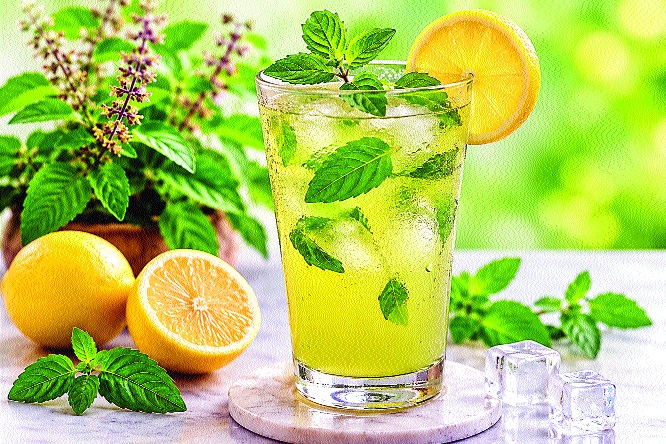 Tulsi Lemon CoolerIngredients:10–12 fresh tulsi leaves-2 lemons2 tbsp honey or sugar2 glasses chilled water-A pinch of black saltIce cubesLemon slices and mint for garnishMethod: Wash the tulsi leaves thoroughly and gently crush them to release their aroma.2. Squeeze the lemons into a jug and add honey or sugar.3. Add the crushed tulsi leaves, black salt and chilled water.4. Stir well and allow the mixture to stand for five minutes.5. Strain into glasses, add ice cubes and garnish with lemon slices and mint.
 Creamy Tulsi Tomato SoupIngredients5 medium ripe tomatoes12 fresh tulsi leaves1 small onion, chopped3 garlic cloves1 tbsp butter2 cups vegetable stock or water2 tbsp fresh creamSalt and black pepper to tasteA pinch of sugarMethod: 1. Heat butter in a saucepan and sauté garlic and onion until soft.2. Add chopped tomatoes and cook until they become tender.3. Add vegetable stock, salt and pepper. Simmer for 10–12 minutes.4. Add half the tulsi leaves and cook for another minute.5. Allow the mixture to cool slightly before blending until smooth.6. Return to the pan, add cream and gently warm.7. Garnish with the remaining chopped tulsi leaves and serve hot.
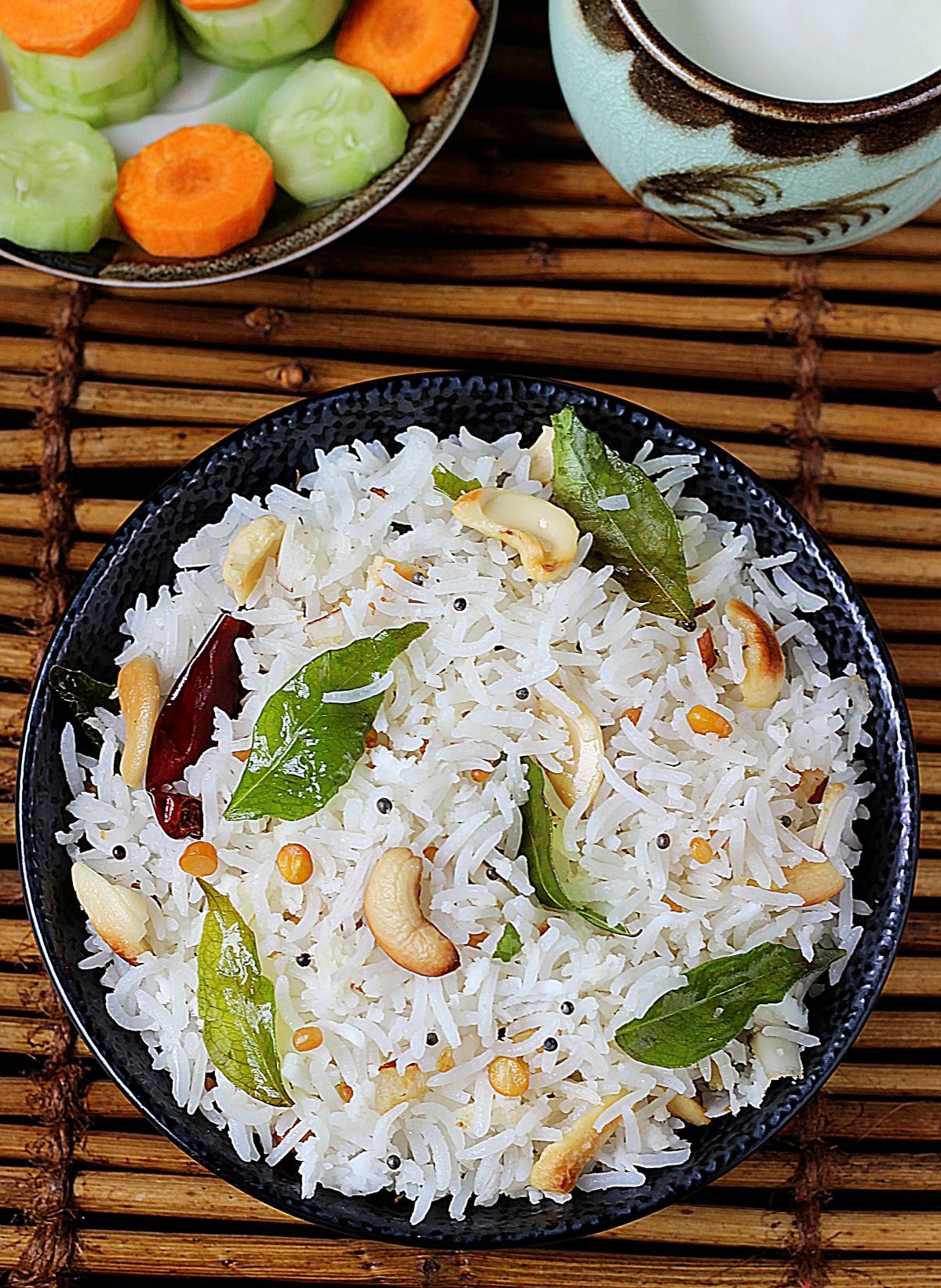 Tulsi Coconut RiceIngredients2 cups cooked rice½ cup freshly grated coconut12–15 tulsi leaves1 tbsp oil½ tsp mustard seeds1 tsp urad dal2 dried red chillies8–10 curry leaves2 tbsp roasted peanutsSalt to tasteA pinch of turmericMethod: 1. Heat oil in a pan and add mustard seeds.2. Once they crackle, add urad dal, dried red chillies and curry leaves.3. Add peanuts and grated coconut. Sauté for two minutes.4. Stir in turmeric and salt.5. Add the cooked rice and mix gently.6. Turn off the heat and fold in freshly chopped tulsi leaves.7. Serve warm with papad, pickle or raita.