35 captive-bred vultures proposed for release in Mah reserves
| Date :20-Nov-2026 |
By Sayli Watkar :
- 15 for Melghat, 10 for Tadoba and 10 for Sahyadri
- One of 15 previously released birds survives in TATR
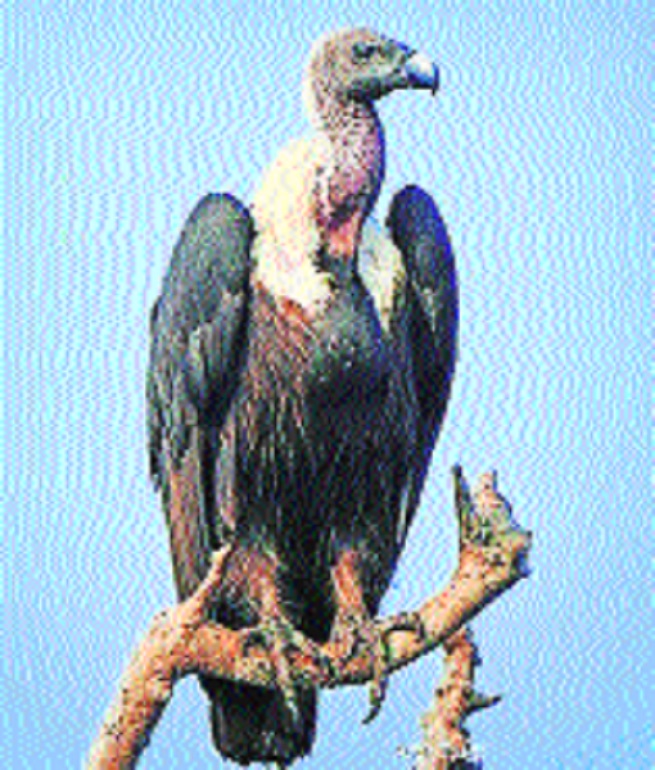
Following the survival and tracking progress of captive-bred vultures in Maharashtra, the Forest Department has proposed introducing another 35 vultures across three tiger reserves in the State. The proposed allocation includes 15 long-billed vultures for Melghat Tiger Reserve (MTR), 10 white-rumped vultures for Tadoba-Andhari Tiger Reserve (TATR) and 10 long-billed vultures for Sahyadri Tiger Reserve (STR).
The Vulture Conservation Breeding Centre (VCBC) at Pinjore, Haryana, has expressed readiness to provide 35 birds for the proposed release programme with the help of Bombay Natural History Society (BNHS).
The Maharashtra Forest Department has been asked to obtain approval from the Central Zoo Authority (CZA) for their transfer. Of the 15 captive-bred white-rumped vultures released in Tadoba over the past two years, only one has survived in the wild. Though the number is low, survival of the bird is being viewed as an encouraging development for the Forest Department and BNHS. According to a senior forest official familiar with the development, “Introducing more vultures is important to improve the possibility of establishing a breeding population in Tadoba.” N-16, the only surviving vulture, has covered nearly 4,500 km since its release from the pre-release aviary in January 2024, according to forest officials. N-16 is a two-year-old captive-bred male white-rumped vulture (Gyps bengalensis), fitted with a Global System for Mobile Communications (GSM) tracking device and identification tag before its release.
The technology enables conservationists and forest officials to monitor its movements, foraging patterns, adaptation and safety. As per its latest tracking information, N-16 is currently roaming near Botezari in Kolsa range of Tadoba’s core area. By the end of October, it had travelled across areas in Wardha and Telangana, repeatedly exploring distant locations before returning to the reserve. Although N-16 continues to return to the reserve after exploring distant areas, absence of a suitable mate could eventually prompt it to move elsewhere. Arrival of more birds could improve the chances of pairing and their long-term settlement in the landscape. TATR received its first batch of 10 white-rumped vultures in 2024, followed by five more in 2025.
However, only N-16 remains traceable and alive. Several birds died due to electrocution after coming in contact with power lines, diseases and exhaustion following long-distance movement in search of food. One bird from the first batch travelled from Tadoba through Gujarat to Tamil Nadu, where it died due to electrocution. Some birds also became untraceable after their radio collars fell off or were lost, disrupting tracking. White-rumped vultures are considered more suitable for TATR’s relatively flat terrain. The reserve does not have an established historical record of a resident vulture population, making the current effort an attempt to establish the species in the landscape.