Rasa Theory Of Sanskrit
| Date :22-Nov-2026 |
By DR BHUSHAN KUMAR UPADHYAYA
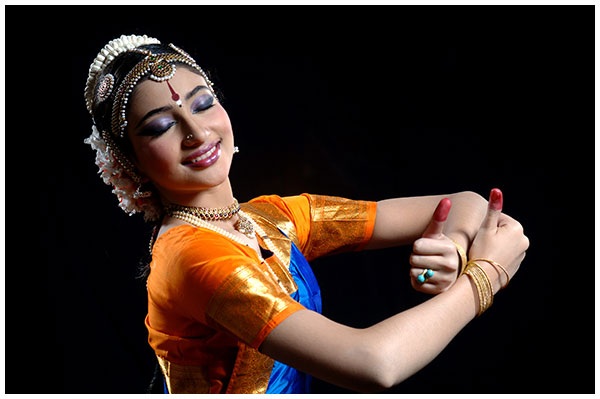
The Rasa theory is a remarkable contribution of ancient Indian heritage to the understanding of human emotions. The literal meaning of Rasa is the essence, flavour or aesthetic experience. Its foundation is traced to sage Bharata’s Natya Shastra, a celebrated treatise on dramaturgy and aesthetics. Sage Bharata identifies eight principal Rasas- Shringara (love), Hasya (laughter), Karuna (compassion), Raudra (anger), Veera (heroism), Bhayanaka (fear), Bibhatsa (disgust) and Adbhuta (wonder). Abhinava Gupta later added Shanta or tranquility as the ninth Rasa. Sage Bharata defines Rasa in the following SutraVibhavanubhava- vybhicharisamyogad- rasa- nishpatih. Rasa emerges through the combination of Vibhava (cause), Anubhava (external expression) and Vyabhicharibhava (transitory emotional states). These three agents stimulate the Sthayibhava which is the underlying dominant emotion. Sthayibhavas are the inherent and dormant emotions present in the human mind. When the above three ingredients combine, these inherent emotions are activated and Rasa emerges.
The concept of Rasa has been developed in Indian aesthetics in the reference to dramaturgy and literature. It is the aesthetic experience relished by the spectator. Some of the ancient thinkers of aesthetics have propounded that Rasa is the soul of poetry. In the Upanishadic literature the Supreme Brahma has been called Rasa. The Rasa theory of Indian aesthetics occupies a great significance from the psychological point of view. The entire mental spectrum has been depicted through the theory of Rasa. The Rasa theory provides an interesting framework to understand human emotions. Modern psychology describes cognitive appraisal, physiological responses, subjective feelings and behavioral expressions based upon human emotions.
The entire psychology is based upon the functioning of the human mind and the stimulus which comes from outside. Stimulus is the cause which activates the emotions in our mind. This stimulus has been called Vibhava in Sanskrit aesthetics. After the stimulation of emotions due to these stimuli, there are physiological changes and impacts. These physical expressions correspond to the concept of Anubhava described by sage Bharata. Based upon the nature of the stimulus and the emergent emotions, the subject has a feeling and experience. This experience compares with the experience of the spectator of a drama or play. Rasa has been described in light of dramaturgy whereas the subjective experiences appear in real life. The basis of Rasa theory is Sthayibhava or the inherent emotion in the human mind. This emotion gets expressed in different forms depending upon the stimulus and external factors. Yoga gives a different perspective on these inherent emotions.
These Sthayibhavas have been called Chitta- Vrittis in the Yogic literature. According to Yogic concepts, uncontrolled thoughts or emotions give rise to suffering and pain. So Yoga talks of controlling these thoughts and emotions. Different Yogic practices have been prescribed to refine these thoughts and human consciousness. Like Yoga, positive psychology talks of regulating thoughts and emotions. Many modern psychotherapeutic theories are strikingly similar to Yogic practices. Positive psychology suggests observing or witnessing negative thoughts. Observing negative thoughts reduces its effect. This is quite similar to the Yogic practice of Sakshi Bhava where thoughts are observed without getting identified with them. Thus, we find that there is a great correlate amongst the different branches of human knowledge as to how thoughts and emotions are expressed and they impact our mood and behavior.

(The writer is Former
DG Police &CG, Homeguards, Maharashtra) ■