Bharatanatyam must evolve without losing its roots: Guru Vaibhav Arekar
| Date :23-Nov-2026 |
Staff Reporter :
“Bharatanatyam must evolve with changing times, but innovation cannot come at the cost of its traditional foundations,” said
internationally acclaimed Bharatanatyam exponent and choreographer Guru Vaibhav Arekar during an interaction with ‘The Hitavada’ ahead of his recital under the Kaladarshan series organised by Bharatiya Vidya Bhavan, Nagpur Kendra, in association with Kalasrjan Academy, at 5.30 pm on Sunday at Bhavan’s Bhagwandas Purohit Auditorium, Civil Lines.
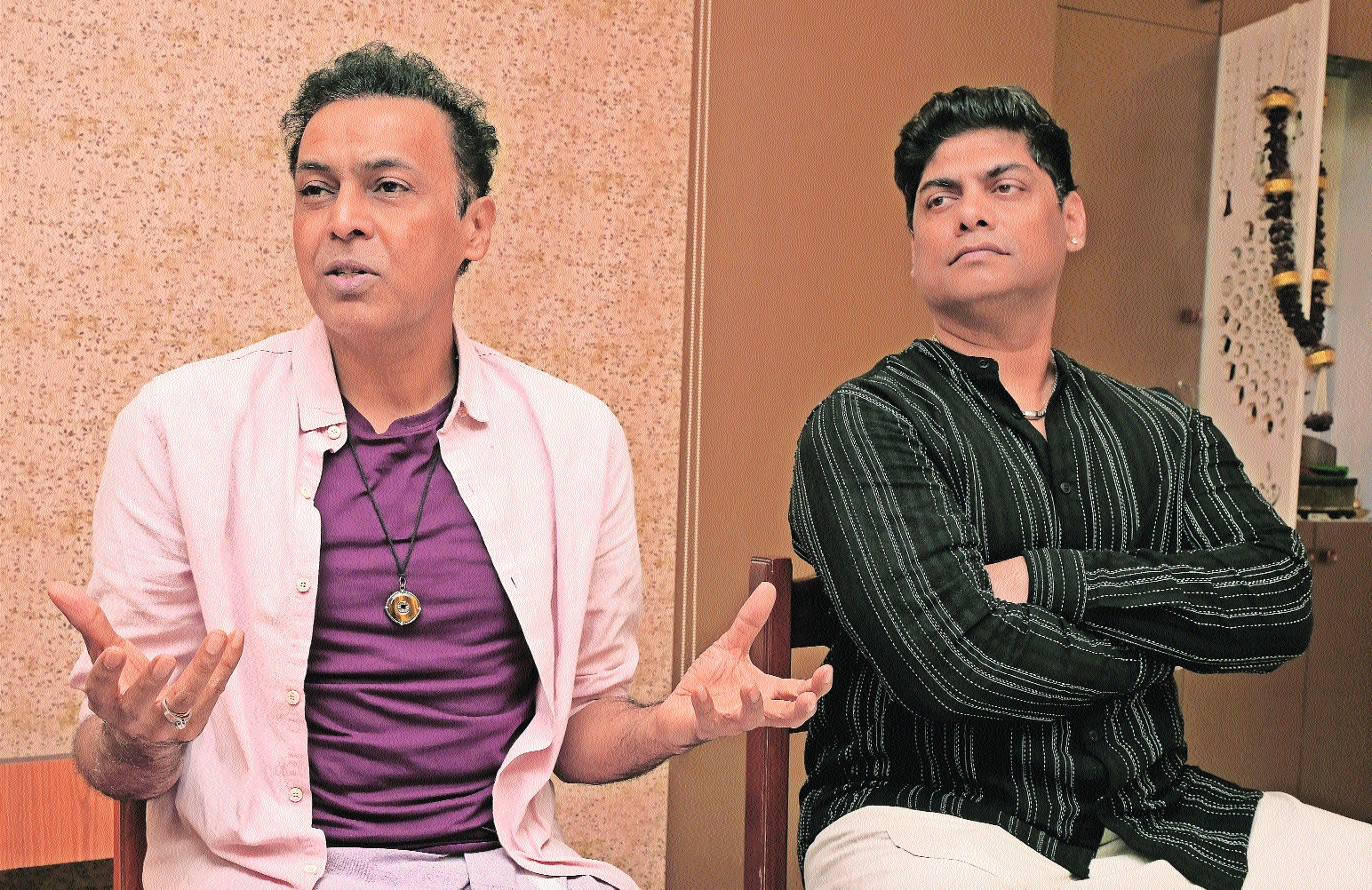
In a candid conversation, Arekar along with Sushant Jadhav, Co-founder, Sankhya Dance Academy, emphasised that classical dance was not confined to mythology
and devotional compositions, but could also address contemporary concerns such as urbanisation, social media, identity and
consumerism.
His artistic journey spanning over four decades has focused on exploring this relationship between tradition and modern life through a movement vocabulary rooted in Bharatanatyam.
“Once you understand the structure, you can take a topic from today's world and explore what you can express through it. But everything cannot be possible. Every art form has its limitations,” said Arekar. Explaining how contemporary subjects could find expression through classical dance, Arekar cited his production Viyoga – Fragments of Truth. The work explores three themes: urbanisation and its impact on the environment, the identity crisis fuelled by social media, and excessive consumerism. Rather than offering ready-made answers, the production encourages audiences to reflect on their own relationship with these issues.
The internationally acclaimed choreographer stressed that meaningful choreography must emerge from an understanding of the subject rather than merely arranging movements to suit a theme. “The movement we create should reach the audience. It should come from within, from a deep thought and feeling, and not the movement first,” he observed.
Reflecting on his journey as a male Bharatanatyam performer, Arekar said acceptance had improved considerably over the past 25 years.
Traditionally, male performers were more visible as teachers and Nattuvanars, while women dominated the performing stage. Social perceptions about masculinity, make-up and the portrayal of feminine characters also posed challenges.
However, he believes that portraying a female character does not require a male dancer to imitate a woman. The emphasis should be on communicating the emotion and essence of the character through classical technique.
Arekar also underlined the need to rethink the teaching of Bharatanatyam to connect with younger generations. He believes teachers must understand the world of Gen Z rather than expect young learners to adapt entirely to traditional teaching methods.
“We cannot sit in our chairs and tell the younger generation that they have to change. We have to step down a few steps towards them,” concluded Arekar while calling for new pedagogical approaches while retaining the essential grammar of the art form.