Craving chalk, mud or paper? It could be more than childhood habit
| Date :23-Nov-2026 |
Staff Reporter :
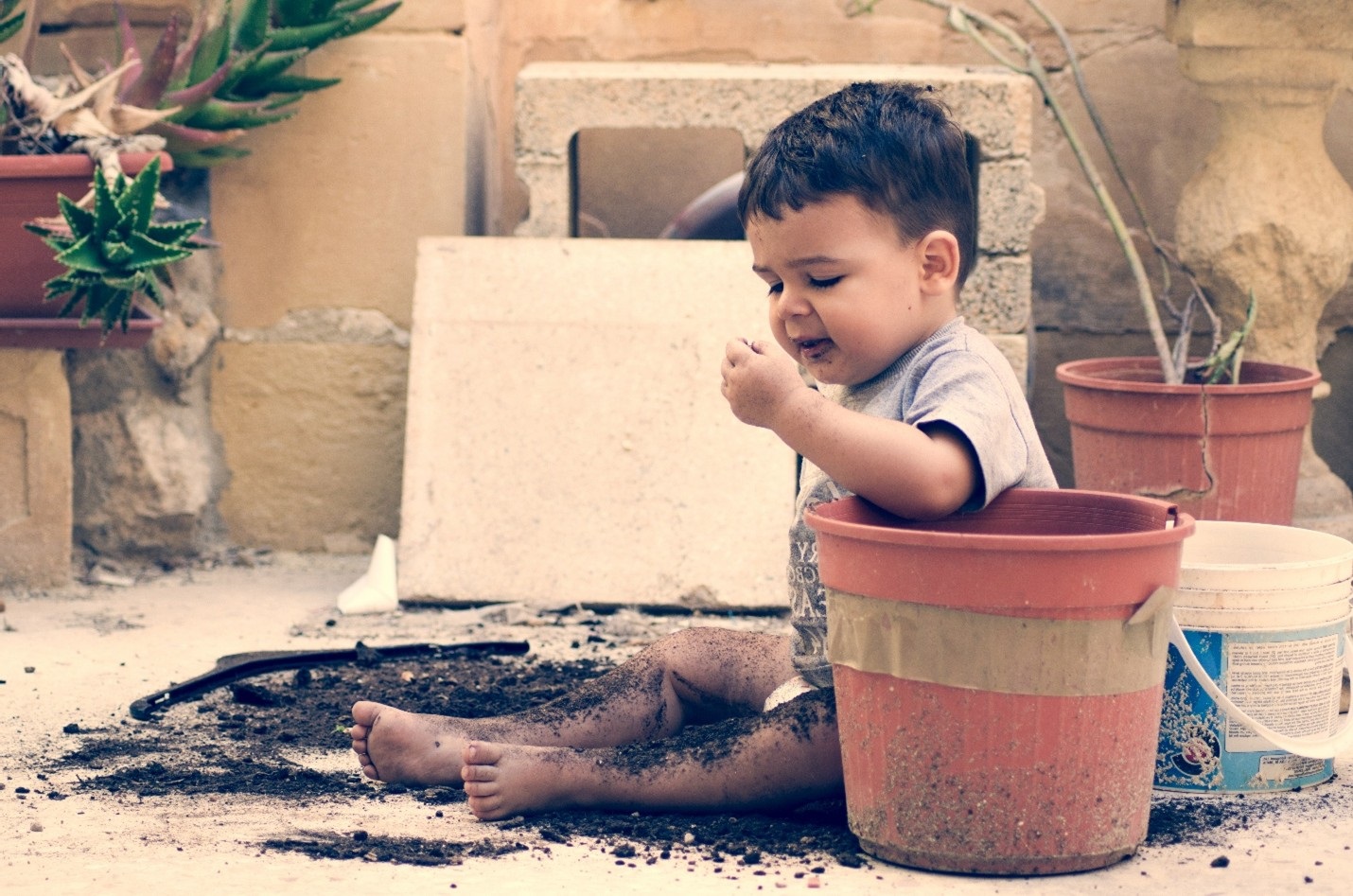
A child putting mud in their mouth, chewing on chalk or swallowing pieces of paper may often be dismissed as an act of mischief or childhood curiosity. However, when such behaviour turns into a repeated craving, parents need to look beyond the habit.
Persistent consumption of non-food substances such as soil, chalk, sand, hair, paper, paint chips and soap could indicate Pica, an eating disorder that can have serious health consequences. Pica is commonly observed in children, particularly during their developmental years. While occasional exploration of objects is a part of growing up, repeatedly craving and consuming substances that have no nutritional value warrants medical attention.
Dr Ashish Lote, Professor of Paediatrics, Government Medical College and Hospital (GMCH), explain that some children may develop an urge to consume non-food substances due to underlying nutritional deficiencies, while others may exhibit the behaviour because of sensory preferences, developmental conditions or psychological factors. “Pica in children should not be dismissed as a simple habit. In some cases, it may be associated with nutritional deficiencies, particularly iron deficiency,” he said.
The health risks depend largely on what the child consumes. Swallowing indigestible materials such as hair, paper or clay can cause digestive complications, including intestinal blockages, abdominal pain and constipation. Eating contaminated soil or mud can expose children to parasites and harmful bacteria, resulting in infections. Consumption of paint chips can lead to lead poisoning, potentially affecting brain development. Hard or abrasive substances may also damage teeth, wear down enamel and cause dental injuries. Certain substances can additionally cause choking or internal injuries.
Parents can encourage children towards natural, nutritious and safe food alternatives. Fresh fruits along with vegetables can be included in their daily diet according to their age and suitability. “Iron-rich foods such as green leafy vegetables, pulses, beans and dates can also help improve nutritional intake. Roasted chana and other healthy snacks can replace unhealthy eating habits,” stated Dr Lote. However, these foods are not a substitute for medical treatment when a deficiency is diagnosed. Behavioural therapy may also be recommended when the habit persists or is associated with developmental conditions. Parents should avoid scolding or shaming children and instead seek timely medical advice. Early identification of pica and its underlying causes can prevent complications and help children develop healthier eating habits.