Low haemoglobin in children can affect growth, brain development
| Date :24-Nov-2026 |
Staff Reporter :
Iron deficiency is one of the leading causes of low haemoglobin levels in children
Low haemoglobin levels can cause delayed physical development, and impaired cognitive development
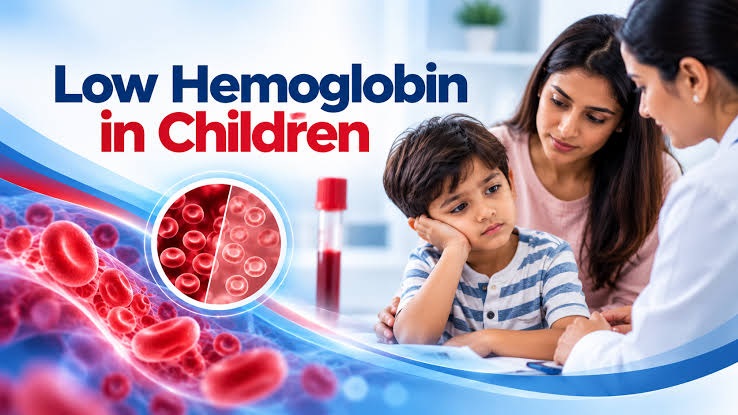
Frequent tiredness, lack of appetite, pale skin and reduced interest in physical activities may appear to be common childhood complaints, but Doctors warn that these could indicate low haemoglobin levels. Often going unnoticed in the early stages, the condition can affect a child’s physical growth, brain development and ability to concentrate if left untreated.
Haemoglobin is a protein in red blood cells that carries oxygen throughout the body. When its levels fall below the normal range for a child’s age, the body’s ability to supply sufficient oxygen to tissues is affected.
Iron deficiency is one of the leading causes of low haemoglobin levels in children. Poor dietary habits, inadequate intake of iron-rich foods, frequent infections, intestinal worm infestations and deficiencies of vitamin B12 and folate can contribute to the condition.
In some children, inherited blood disorders such as thalassaemia may also be responsible.
Dr Ashish Lothe, Professor of Paediatrics, Government Medical Hospital and College (GMCH), pointed out that pica is also one of the factors associated with low haemoglobin levels in children. Pica is a condition in which children develop a habit of consuming non-food substances such as soil, chalk, clay or paper. “Pica can contribute to nutritional deficiencies and is often associated with iron deficiency.
Children who repeatedly consume non-food substances should be evaluated for low haemoglobin levels and underlying nutritional deficiencies,” he explained. Doctors caution that prolonged and severe low haemoglobin levels can have serious consequences, including delayed physical development, impaired cognitive development, poor concentration and reduced capacity for physical activity. Severe cases may also cause breathlessness, rapid heartbeat and extreme weakness.
To prevent the condition, Doctors recommend including iron-rich foods such as green leafy vegetables, lentils, beans, eggs, meat and nuts in children’s diets. Vitamin C-rich foods such as oranges, lemons and amla should also be included as they improve iron absorption. Parents should ensure balanced meals and follow recommended deworming schedules.
Doctors also stress the importance of regular health check-ups and haemoglobin screening, particularly when children show symptoms. Iron supplements should only be given under medical supervision, depending on the child’s haemoglobin levels and the underlying cause. Timely diagnosis, appropriate treatment and adequate nutrition can help prevent complications and support healthy growth and development.