Speed governors, mandatory drivers’ training must for public electric buses
Date :24-Nov-2026
By Tejinder Singh Renu :
Apropos to news item, ‘Pedestrian crushed to death by dizzy Aapli Bus driver’, in The Hitavada CityLine on November 23. The tragic
death of a pedestrian is
deeply unfortunate and raises serious concerns about the safety of public transport vehicles on our city roads. While the exact circumstances of this accident must be established through investigation, it is high time we address the potential dangers associated with the rapid acceleration and high torque of electric vehicles, particularly heavy commercial and public transport buses.
Unlike conventional diesel vehicles, electric buses operate almost silently and deliver substantial torque instantly.
The absence of a roaring engine during acceleration reduces an important audible cue that drivers of conventional vehicles are accustomed to. Consequently, an electric bus can gain considerable speed within seconds, sometimes without the driver fully appreciating the rate of acceleration.
Many Nagpurians have witnessed NMC’s green electric buses being driven at excessive speeds, with sudden acceleration even in congested, bumper-to-bumper city
traffic. Such driving behaviour is particularly dangerous
considering the size,
weight and momentum of these vehicles.
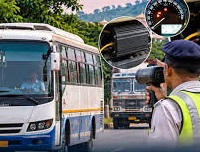
There is an urgent need to introduce mandatory speed governors along with electronically controlled acceleration limits in all public transport and commercial electric vehicles. Merely restricting maximum speed is insufficient; sudden acceleration must also be regulated through appropriate vehicle control systems.
Equally concerning is
the need to strengthen
our commercial driving
licence system.
Obtaining a commercial driving licence should involve comprehensive, mandatory training in road safety, defensive driving, vehicle dynamics, emergency handling and, importantly, the unique
characteristics of electric
vehicles. Existing licensing requirements must be made more rigorous, with periodic refresher training and competency assessments.
Driving a heavy electric
bus requires considerably greater responsibility than driving an ordinary passenger vehicle.
Drivers must understand how instant torque, rapid acceleration, vehicle weight and braking distances affect road safety.
The Government, transport authorities, vehicle manufacturers and NMC must
collectively establish stringent safety standards, including acceleration calibration,
speed monitoring, driver fitness assessments and continuous training.
Technology should make public transport safer, not expose pedestrians and other road users to greater risks. Let this unfortunate loss of life serve as a wake-up call. Preventive measures taken today could save several innocent lives tomorrow.