deaths due to Electrocution Wildlife experts blame poor corridor monitoring, crop protection practices
| Date :26-Nov-2026 |
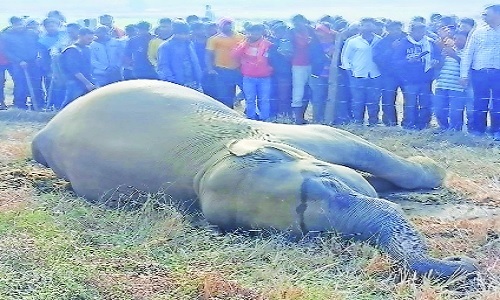
A female wild elephant died due to electrocution near a village Wadhona in Kurkheda taluka of Gadchiroli
Staff Reporter :
Corridor monitoring, identification of sensitive villages, inspection of permitted solar fencing installations are some preventive measures suggested by experts
Wildlife experts and retired forest bosses believes that poor corridor monitoring and seasonal crop protection practices are primary drivers of rising wildlife electrocution deaths in Maharashtra.
Across regions like Eastern Vidarbha including Chandrapur, Gondia, Nagpur, Bhandara and the Western Ghats, the overlap of agricultural expansion, unmonitored transit routes, and live electrical wiring creates lethal traps for dispersing wildlife.
A female sloth bear and her four-month-old cub died of electrocution on November 23, after touching an illegally electrified farm fence in Kawadshi village within the Chimur forest range of Chandrapur district.
The probe also uncovered alleged past tiger poaching at the farm by the same accused, with tiger claws, teeth, and bone recovered during the investigation. On Tuesday, forest team apprehended a person for killing a tiger by electrocution in his agriculture field in the Ramtek tehsil of Nagpur district. Following the tiger’s death, the carcass was reportedly buried in the field.
In another incident, a four-year-old male tiger was found dead on November 10, in Compartment No. 99 (Thadezari beat near Bodunda village) in Navegaon-Nagzira Tiger Reserve (NNTR) with burn marks indicating
suspected electrocution. According to forest department, over 150 wild animals killed and more than 1,200 injured across six Western Ghats districts due to electrocution and road accidents during the first nine months of the year. “Wildlife mortality due to electrocution in Maharashtra is a serious and largely preventable conservation concern. The recurring incidents indicate that the problem cannot be addressed merely through post-mortem investigations, compensation or prosecution after the death of an animal.
A preventive approach involving scientific identification of vulnerable landscapes, systematic inspection of electrical infrastructure, elimination of illegal live-wire fencing and adoption of wildlife-safe electrical engineering standards is essential,” Sunil Limaye, retired Principal Chief Conservator of Forest (Wildlife) told The Hitavada. “The Forest Department must move beyond its conventional enforcement role and establish an effective institutional mechanism with the Energy Department, MSEDCL, the Police Department and the Electrical Inspectorate,” said Limaye.
The retired PCCF also suggested priorities to curb such deaths including --Conduct joint Forest Department–MSEDCL inspections in identified sensitive villages; Identify and remove all direct connections from agricultural electricity lines to fencing; Register and inspect permitted solar fencing installations; Ensure that approved energisers deliver short-duration, non-lethal pulses; and Introduce regular night patrolling during crop-protection seasons.
Ajinkya Bhatkar, Honorary Wildlife Warden, Nagpur said, “The increasing incidents of wildlife deaths due to illegal electrocution are a matter of serious concern and demand urgent, coordinated action from all government agencies. Illegal electric fencing and the use of live wires not only pose a grave threat to wildlife but also endanger human lives, with several human fatalities reported due to electrocution.”
“Crop protection and wildlife conservation must go hand in hand. There is an urgent need for awareness among farmers, stronger enforcement of the law, regular monitoring, and promotion of safe and legal crop-protection measures. Protecting farms should never come at the cost of human lives or our precious wildlife,” he added.