lighting it up How South India celebrates Deepavali from Ganga Snanam to Bali Padyami
| Date :07-Nov-2026 |
By Mohnish Giramkar :
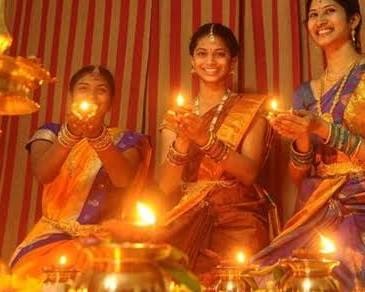
For over 50,000 South Indians settled in Nagpur, Deepavali is still about the sacred dawn of Naraka Chaturdashi. “Our day starts at 4 am with Ganga Snanam,” says Neha Gajarewar, from a Tamil family in Ramdaspeth. Elders believe Goddess Lakshmi resides in oil and Ganga flows in all water that morning, so they heat gingelly oil with pepper and betel leaves, massage it on youngsters, followed by vibhuti-kumkum, new Kanchipuram pattu sarees and morning crackers in the city.
Celebrations begin a day early with Yama Deepam, when families from Karnataka, Andhra and Telangana settled in the city light a lamp facing south for Lord Yama, and hang Akash Deepa, a bamboo-paper sky lantern, on their balconies.
For many, Thalai Deepavali, the first Deepavali after marriage, is the most emotional, when the daughter and son-in-law are called home and honoured with seer.
Karnataka families here call it ‘Neeru Thumba Habba’ and continue with ‘Bali Padyami’, building small forts from cow dung for King Bali and performing Govatsa Puja.
Telugu families in the city decorate their homes with muggu and mango-leaf toranam, worship Satyabhama as the slayer of Narakasura and perform Lakshmi-Kubera Puja on Amavasya night.
Even though Kerala families say Onam is bigger back home, they too keep the tradition alive in areas like Palakkad and Thrissur pockets in Nagpur, with murukku, adhirasam, holige, Ariselu and Kasavu sarees adding colour to the city’s Deepavali festivities.