Dhanteras buys, Lakshmi Puja, lamp for Yamraj: North Indians’ Diwali customs
| Date :08-Nov-2026 |
By Simran Shrivastava
Gold and silver may grab the headlines during Diwali, but for many North Indian families in Nagpur, the festival is not just about how much they spend. A new utensil on Dhanteras, Lakshmi-Ganesh idols for the puja and a rather particular lamp for Yamraj: these are customs that families are preserving. Even after moving away from North India, they continue to follow the rituals they grew up watching at home. Rakhi Shrivastava, a homemaker originally from Jharkhand, shared that buying Lakshmi-Ganesh idols is also an important part of the preparations.
“The tradition has its roots in the story of Samudra Manthan, when Lord Dhanvantari emerged from the cosmic ocean carrying a
pot of amrit, while Goddess Lakshmi emerged as the deity of wealth and prosperity,”
added Snehal Mishra, an IT professional originally from Bihar.
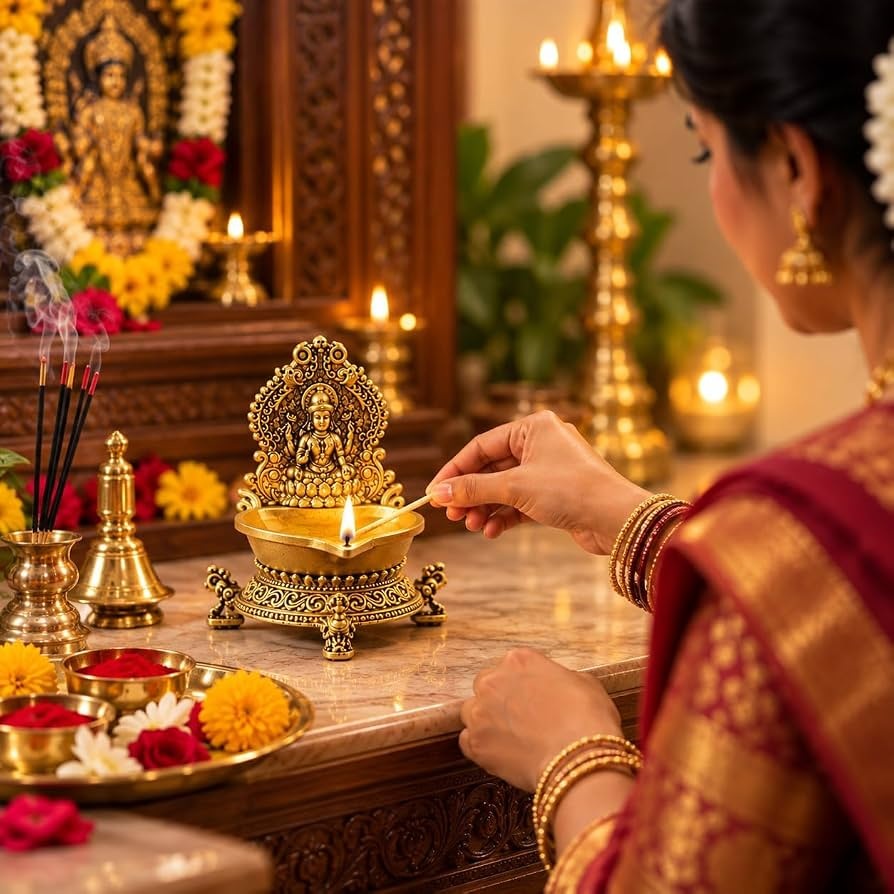
Diwali evening brings the focus back to Lakshmi puja. Homes are cleaned, entrances decorated with rangoli and diyas placed on windows, balconies and doorways.
There is also a lamp that has little to do with welcoming wealth. Yam Ka Diya, Shrivastava shared, dedicated to Lord Yama, is lit to seek protection from untimely death. “An old earthen lamp saved from the previous year is filled with mustard oil and placed outside the house at night, usually before everyone retires. The person lighting it must return indoors without turning around or looking back,” Mishra explained. Prayers are offered for the family’s safety and longevity.
Shrivastava also pointed to the influence of Maharashtrian customs on celebrations in city, particularly the use of rangoli in household decorations. For them, keeping Diwali customs alive is about making sure that the stories and beliefs behind them do not become unfamiliar to the next generation.