Bright future, Restive Sukma’s Gogunda village sees 1st electric light
| Date :25-Feb-2026 |
Staff Reporter:
At nearly 650 metres above sea level in the forested hills of Sukma district, Gogunda village witnessed a historic first. For the first time since Independence, electric light illuminated homes that had for decades depended on kerosene lamps and handheld torches.
Long considered inaccessible and once regarded as a safe shelter for Maoist activity, the hilltop settlement remained cut off from basic infrastructure. Dense forests, steep terrain and prolonged insurgency kept development agencies at bay. Sunset meant darkness, silence and uncertainty.
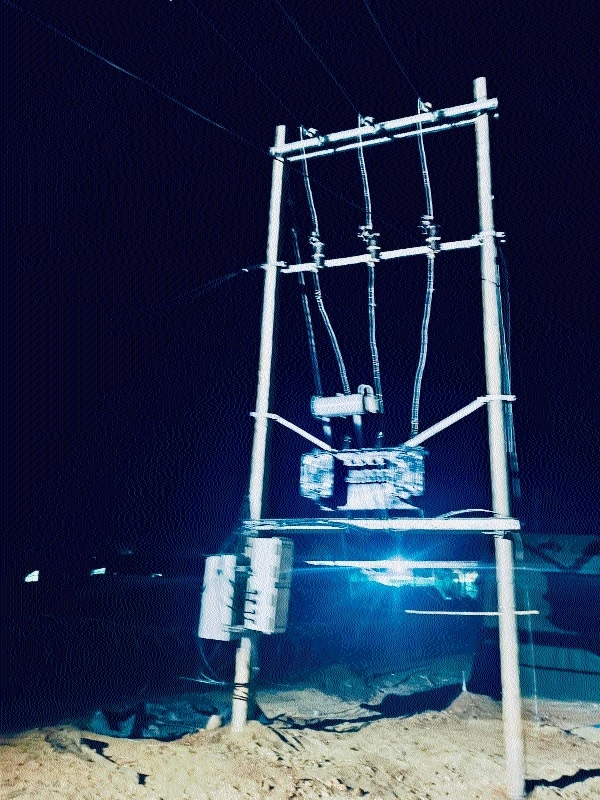
The breakthrough followed sustained security deployment and coordinated administrative intervention. Establishment of a CRPF 74th Battalion camp altered the security landscape, enabling power department teams to initiate electrification work. Poles were erected across rugged gradients, transformers hauled uphill, and wiring completed under tight security cover.
Commandant Himanshu Pandey of the 74th Battalion said security stabilisation created conditions necessary for development entry.
“This region remained cut off for years. Power supply signals confidence and continuity,” he noted.
For residents such as elderly Madvi Sukka, the moment
carried emotional weight. Villagers gathered around the glowing
bulb as children clapped and elders watched quietly. Many described it as the first visible sign that the state had reached their doorstep.
Beyond electrification, road access has improved significantly. What once required nearly five hours of steep foot ascent can now be covered by vehicle. Foundations for public facilities including school support structures and supply points are underway. Gogunda’s first electric light represents more than a technical milestone. It signals a transition from isolation toward institutional presence. In a landscape long defined by fear and abandonment, steady illumination now marks a new administrative footprint.