NMC to install first underground hydraulic dustbin soon
Date :01-Mar-2026
Staff Reporter :
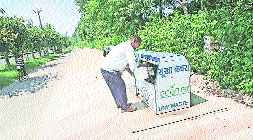
The Nagpur Municipal Corporation (NMC) has launched a pilot project to tackle the city’s recurring ‘garbage vulnerable points’ (GVPs) by installing an underground hydraulic dustbin at its Civil Lines headquarters. This initiative, estimated at Rs 19 lakh, follows the failure of previous plastic and metal-made bins installed by the civic body throughout the city. This will help to deter illegal dumping at chronic blackspots.
According to Vasumana Pant, Additional Municipal Commissioner, “This concealed system serves as a demonstration of a model successfully implemented in cities like Bengaluru. Unlike traditional open bins
that often overflow and attract stray animals, the hydraulic
system stores waste below
ground level.
This design significantly reduces foul odours
and prevents waste from spilling onto the streets, creating
a cleaner and more aesthetic urban environment.” Pant added, “We have already floated a tender and the work order will be issued soon. Initially the bin will be installed in headquarters premises. We have already figured out where we will install these bins across city and it will be initiated after the success of the pilot project at NMC Headquarters in Civil Lines.”
The bin can be mechanically lifted for collection, ensuring a more hygienic disposal process for the city's sanitation workers. Despite the potential benefits, the NMC has acknowledged significant hurdles in expanding this technology city-wide. Nagpur currently struggles with over 400 GVPs, many of which are located in congested neighborhoods, narrow lanes, or bustling informal markets.
Officials noted that the physical footprint required for such infrastructure makes it unfeasible for many of these high-density areas. Consequently, the NMC plans to monitor the performance of this pilot before selectively deploying it only in locations where space and accessibility permit.
Nagpur generates approximately 1,500 metric tons of waste daily, and officials emphasise that infrastructure alone cannot solve the crisis. Despite the presence of two private agencies providing door-to-door collection, a significant number of residents, street hawkers, and eateries continue to dump refuse in open plots, nullahs, and streets.
The administration maintains that while hydraulic bins offer a technological upgrade, the ultimate success of making Nagpur ‘garbage-free’ depends on stricter enforcement and active citizen cooperation. Until public habits align with these new infrastructure efforts, even the most advanced systems will struggle to keep the city’s streets clear of recurring waste.