Chhattisgarh’s Tribal Music, A living legacy under threat
Date :16-Mar-2026
By Dr Abhinav :
For tribal communities in Chhattisgarh, music transcends art, it’s a vibrant thread weaving memory, ritual, identity, and collective heritage into daily and ceremonial life.
Traditional instruments pulse at the heart of this rhythm. Oral traditions revere ‘Pahandi Pari Kupar Lingo’ as music’s divine originator. In Bastar’s Semur hills, he crafted 18 instruments and taught tribal youth song, dance, and music in the ghotul dormitories. This legacy thrives across the state through string instruments like tamura, sarangi, kindra, nakti, and chang baja; wind ones such as murli, been, pungi, mohari, pedhe, and turhi; percussion like tudbudhi, dahaki, mardal, tamak, mandari, peta dhol, and dhankul; and jingling tools including jhanjh, kartal, manjira, ghant, kirkichcha, gujjid, and muya.
Scholars have chronicled this tradition for decades.
Key works include W.V. Grigson’s The Maria Gonds of Bastar (1938), Verrier Elwin’s The Muria and Their Ghotul (1947), and Walter Kaufmann’s 1961 study on Bastar’s tribal instruments.
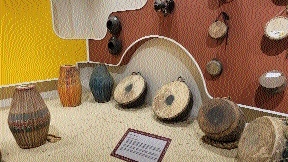
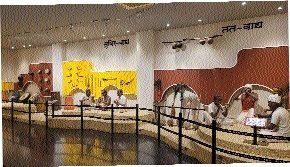
More recently, Raj Kumar Verma and Jitendra Kumar Premi of Pt. Ravishankar Shukla University, Raipur, examined the Abujhmadia and Madia tribes, spotlighting ‘Runjee’ instruments that embody indigenous craftsmanship, symbolism, and beliefs. Standouts include the ‘Akum’ or ‘Tori,’ a curved Muria (and sometimes Maria) hunting horn once carved from buffalo horn, now brass-cast by Ghasia artisans using clay, wax, mud, and furnaces. The ‘Biriya Dhol,’ linked by Madiya communities to Lingo, powers Gaur dances at festivals and weddings. Carved from kurusamada wood with goat skin on one side and ox hide on the other, it yields rich tonal contrasts. Madiya women sync rhythms with the ‘Gujji,’ an iron rod that strikes the ground in steady beats. Other gems: the ‘Turam Dhol’ from salphi wood and untanned cowhide for weddings; ‘Paing’ or ‘Mandari’ from seona wood for ghotul songs, dances, and rituals; Abujhmadia’s ‘Turuburi’ bowl drum for Jatra festivals and ‘Kotaro’ triangular mahua-wood piece for deity worship; and ‘Chitkoling’ ankle rings that turn dancers’ steps into shimmering sound. Yet modernization threatens this heritage. Electronic gadgets increasingly drown out these instruments, eroding a priceless legacy. The Tribal Museum at the Tribal Research and Training Institute (TRTI) campus in Raipur counters this by showcasing them, urging preservation of Chhattisgarh’s tribal soul.