Rs 213 crore AMRUT 2.0 project to revive Upper Lake and Halali Dam with 10 new STPs
Date :21-Mar-2026
Staff Reporter :
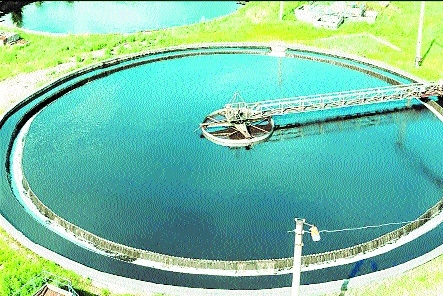
In a major move to de-pollute Bhopal’s iconic water bodies and modernise the urban drainage system, the Bhopal Municipal Corporation (BMC) has drafted an ambitious roadmap under the Central Government’s ‘Atal Mission for Rejuvenation and Urban Transformation’ (AMRUT 2.0). Ten new sewage treatment plants (STPs) are set to be established across various geographical sectors at a cost of Rs 213.75 crore. The project aims to completely halt the flow of untreated waste into the Upper Lake, Lower Lake, Shahpura Lake and the Halali Dam.
According to data from the BMC’s Water Works Department, the city currently generates approximately 360 million litres per day (MLD) of sewage. The addition of these 10 plants will boost the existing treatment capacity by 171 MLD, taking the city’s total capacity to approximately 290.63 MLD. The current situation is critical, as nearly 240 MLD of untreated sewage is being discharged directly into vital water sources like the Upper Lake and Betwa River. This has caused significant damage to the aquatic ecosystem and deteriorated water quality. BMC’s Executive Engineer R K Trivedi stated that the new STPs will utilise advanced ‘Mechanised Biological Treatment’ technology.
“These plants are designed to cater to the city’s growing population and sewage output for the next 50 years without major technical constraints,” Trivedi added.
Bhanpur to host capital’s largest facility: The centrepiece of this project is the 60 MLD mega-plant at Bhanpur, located on the Patra Nala. Long considered a primary conduit for the
city’s waste, the Patra Nala’s flow will now be purified before it reaches the Halali Dam. This intervention is expected to not only clean the dam’s reservoir but also significantly improve the groundwater levels in the surrounding areas. Addressing existing challenges: The project also aims to fix discrepancies in the current infrastructure. While Bhopal has 17 functional STPs with a capacity of 204 MLD, technical flaws and incomplete pipeline networks mean only 119.63 MLD is currently being treated. The new project emphasises the simultaneous expansion of the sewage line network to ensure the plants operate at peak efficiency. BMC Commissioner Sanskriti Jain expressed confidence that these developments are a decisive step toward making Bhopal a ‘Zero Liquid Discharge’ city, ensuring that not a single drop of untreated sewage enters the natural water bodies.