AC makers cautious as unusual rain may cloud early summer demand
| Date :23-Mar-2026 |
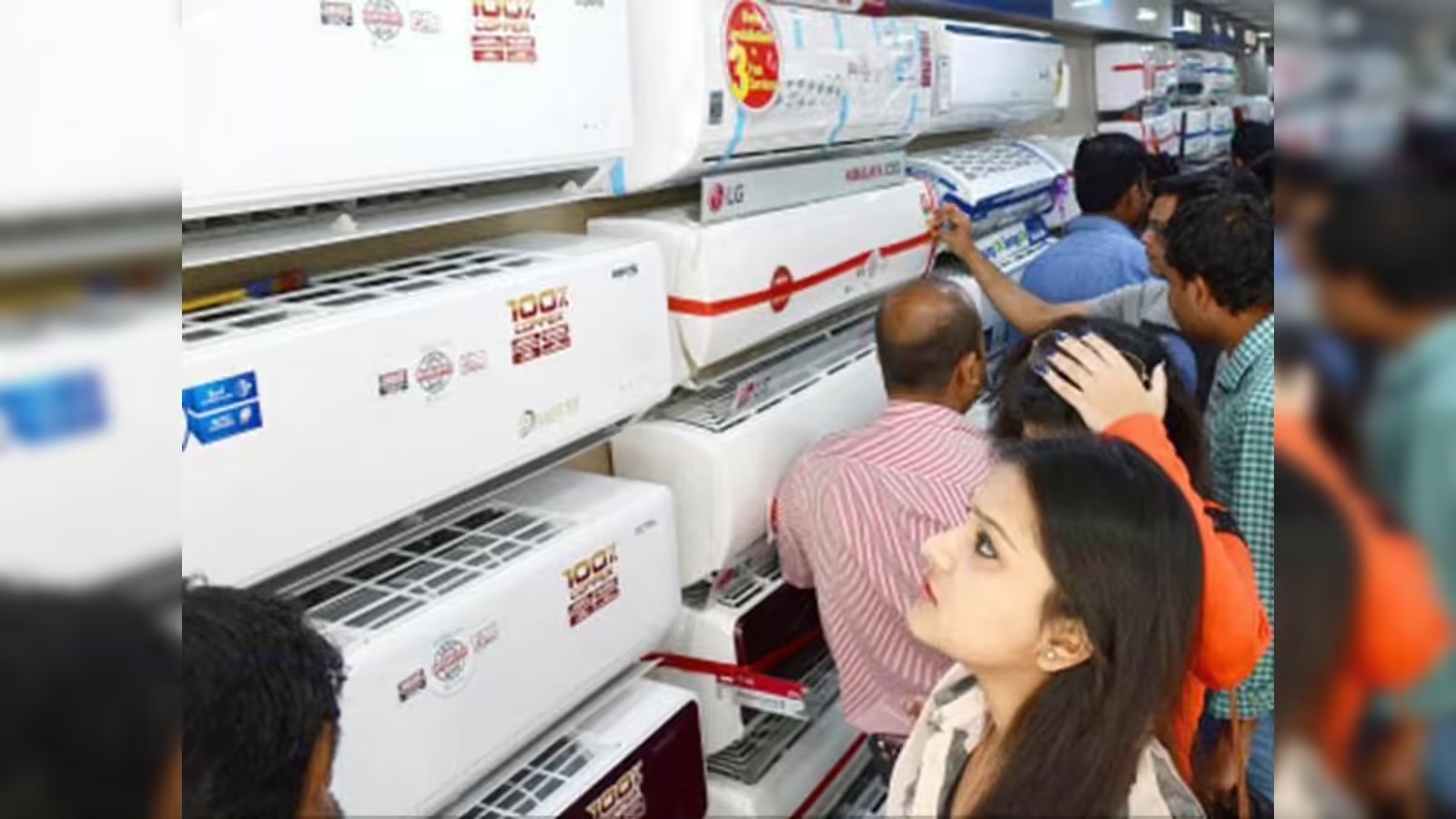
AIR-CONDITIONER manufacturers are treading cautiously after unusual rainfall triggered by western disturbances swept large parts of the country that could potentially disrupt early summer demand, which typically drives sales.
The industry is also jittery over the recently announced price hikes amid the ongoing geopolitical tension in West Asia that led to an increase in prices of raw materials, such as plastics, while limited availability of LPG gas, impacting production.
Because of plastic, prices of other large appliances such as washing machines are also likely to rise 10-12 per cent, industry leaders indicated.
March is traditionally when demand for cooling products accelerates, but the unusual weather has left manufacturers jittery. However, industry executives remain hopeful as they expect a rise in temperature in April. “If you look at the weather, beyond next week, temperature is moving up now in Delhi and parts of north India,” said Kamal Nandi, Business Head and EVP, Appliances Business of Godrej Enterprises Group.
Over any possible impact of sales, he said, “It’s too early to say, we might think of intermittent rain in some parts. This is not an indicator that the temperature is not moving up.”
Nandi expects the situation to normalise in April.
He said the industry has already gone for price hikes earlier this year, when the new energy labelling was mandated by BEE from January.
“This will be the second hike because oil prices and plastic prices are going up and freight cost is growing,” he said, adding, “More than weather, I am concerned about the demand because the price hike that will take place in April and this is going to impact the industry as every one has taken a price hike.”
A price hike of 5-10 per cent is expected by Godrej from April 1, 2026, he said.
Haier India President N S Satish said the supply of LPG has been reduced to the plants, and if this situation persists, there will be a production cut of 20-30 per cent, just before the peak month.