205 sanitation workers at NMC refuse promotion!
| Date :07-Mar-2026 |
By Kabir Mahajan :
Workers fear that by accepting a promotion they would forfeit the guaranteed security of job for their children
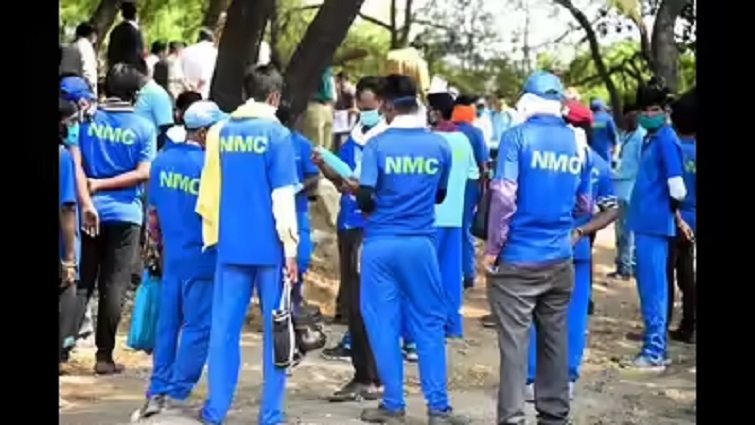
A bizarre turn of events that has left the Nagpur Municipal Corporation (NMC) administration scratching its head, a group of 205 sanitation workers has achieved the unthinkable. They have collectively refused a Government promotion offer. While employees in most Government sectors are known to knock on court doors to secure a move up the ladder, these Class IV workers have opted to stay exactly where they are, declining a transition to Class III positions, despite a proposal being formally prepared by the General Administration Department.
The crux of this seemingly irrational decision lies in a unique safety net known as the Lad-Page Committee recommendations. Under these rules, if a sanitation worker retires or is declared medically unfit, their legal heir is eligible for a job within the corporation. However, this ‘inheritance of employment’ applies specifically to those serving in
sanitation roles within the Class IV category.
Experts suggest that workers fear that by accepting a promotion to Class III, a higher administrative or technical rank then they would forfeit this guaranteed security for their children. In a city where roughly 1,000 out of 4,500 substitute (Aiwajdars) workers have already retired, the desire to secure a stable future for the next generation appears to far outweigh the allure of a better title or immediate pay hike.
The mass refusal has led to a peculiar vacancy crisis within the NMC. While seniority lists are prepared and promotion orders are drafted, nearly 95 per cent of sanitation workers refuse to sign them, leaving numerous Class III posts vacant across various departments.
Regarding this unusual trend, Dr Gajendra Mahalle, Chief Sanitation Officer, said “Sanitation workers might think that they belong to other better positions or might be dissatisfied with the specifics of the promotion, which could be why they have rejected the offer. We are working to fill the vacant places in the Sanitation Department.”
“The heir of the sanitation worker are preferred for the recruitment but for instance if the eligible heir of a retired worker refuses to join the duty then we fill the vacancy by recruiting new people.”
Dr Mahalle added.
Currently, there are 3,900 permanent sanitation workers in the NMC, many of whom are nearing retirement. While the High Court had previously stayed new appointments under the Lad-Page recommendations, that issue has since been resolved, and recruitment has resumed. Nevertheless, proposals for approximately 150 to 200 heirs remain in limbo as the administration grapples with the fallout of these rejected promotions.
As NMC continues to struggle with a shortage of staff in higher departments, it remains to be seen if the administration will find a way to balance career growth with the ancestral job security that these workers refuse to abandon.