Database of sexualoffenders goes live
Date :01-Apr-2026
Staff Reporter :
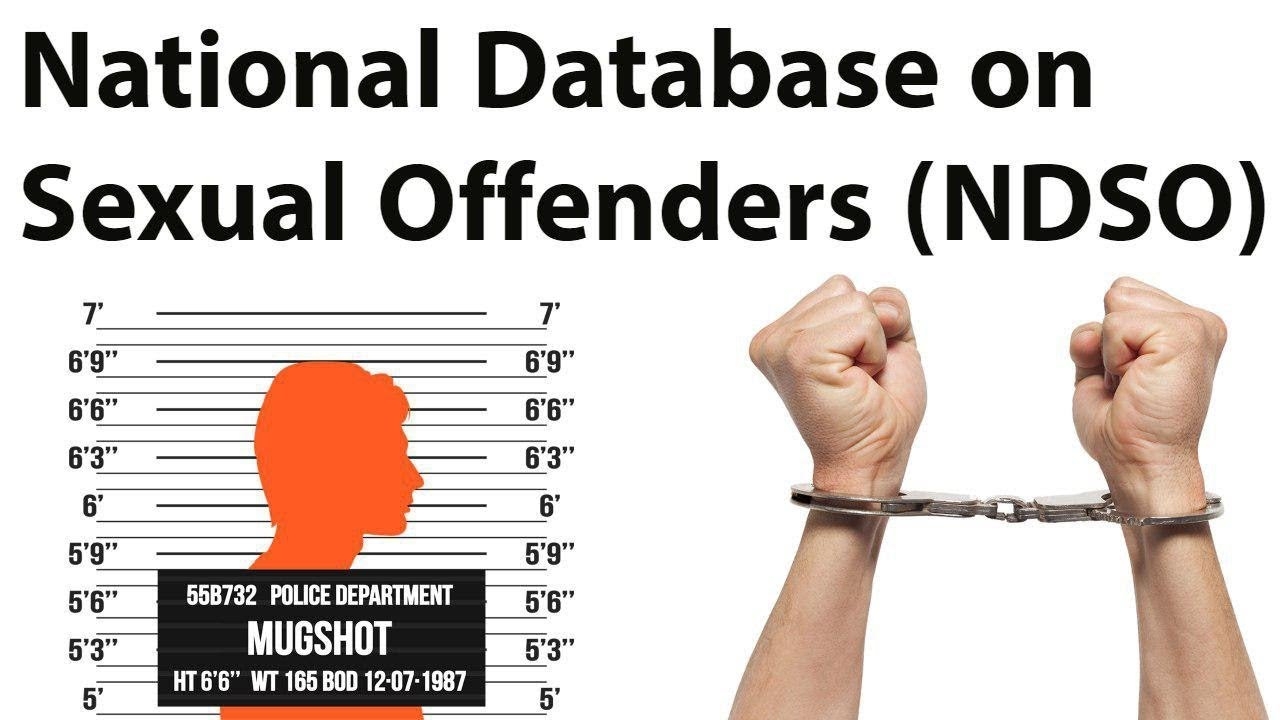
IN A major technological leap aimed at strengthening crime control and victim safety, the Ministry of Home Affairs (MHA) has operationalised the National Database on Sexual O f f e n d e r s (NDSO). This centralised platform contains the digital records of approximately 21 lakh offenders across India, providing Bhopal Police and other national investigative agencies instantaneous access to the criminal histories of perpetrators, regardless of their home state. The database, managed by the National Crime Records Bureau (NCRB), is a critical component of the Inter-operable Criminal Justice System (ICJS), which seamlessly integrates records from police departments, prisons and courts nationwide. The NDSO goes beyond basic profiles, incorporating advanced biometric data including photographs, fingerprints, and DNA profiles. This ensures that offenders can be accurately identified even if they attempt to provide aliases or forged documents. Access to this highly sensitive data is strictly restricted to law enforcement and authorised investigative agencies to ensure privacy and security.
One of the most significant advantages of this system is the elimination of jurisdictional gaps. Should a listed offender move from one state to another and commit a fresh crime, the system generates an immediate alert. This cross-border tracking mechanism makes it nearly impossible for habitual offenders to hide by relocating to different regions.
Streamlining Police
Verification: The database is
set to revolutionise the police
verification process for passports, Government employment, and private sector background checks. Previously, verification was largely limited to
local or regional records. Now,
a single click allows authorities to scan a candidate’s entire
criminal history in all the
Indian States, ensuring that
individuals with a history of
sexual offences are flagged
instantly. Classification of
Offender Records: To ensure
effective long-term monitoring, the database categorises
offenders into three distinct
tiers based on the severity of
their crimes. Category 1
records will be securely maintained for 15 years, while
Category 2 records will be preserved for 25 years. For habitual or heinous offenders in
Category 3, the data will be
stored for a lifetime to ensure
permanent surveillance.