Inside the kharra network How unsafe supari maybe feeding a silent epidemic
| Date :10-Apr-2026 |
By Rohit Pawar :
- The issue is no longer just about tobacco; it is what people are consuming without knowing it
- Easy access to the young; a wake up call
- Decentralised, informal sale makes enforcement irregular and reactive
Less than two weeks after The Hitavada exposed the Food and Drug Administration’s (FDA) seizure of 570 tonnes of substandard supari worth Rs 14 crore during raids between April 1, 2025, and February 28, 2026, a ground investigation now suggests the crackdown may have uncovered only a fraction of a far larger network.
What appeared to be a major enforcement success raises a troubling question: How much unsafe supari has already entered circulation, and where has it gone?
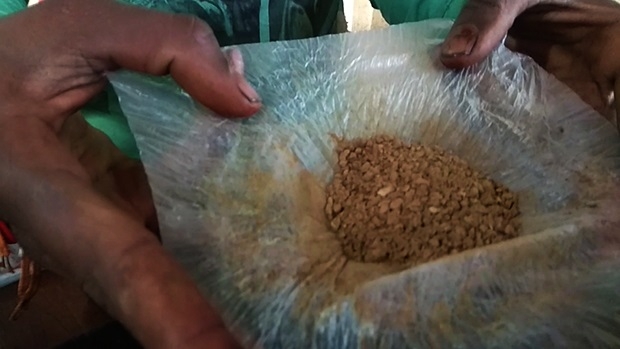
Despite the scale of the FDA action, kharra remains easily available across Nagpur. Visits to multiple localities found vendors openly selling loose and pre-mixed kharra, often prepared on the spot with little oversight.
Officials admit that seizures rarely disrupt the supply chain. “We intercept consignments, but once material enters the local market, tracing it becomes extremely difficult,” a senior FDA officer said.
The missing link
The seizures have exposed a key gap: The link between bulk supari trade and the local kharra economy. Traders say a significant portion of such stock is diverted to small, informal mixing units across the city.
With no standardisation or checks, the possibility that unsafe supari has already been consumed cannot be ruled out.
Inside Nagpur’s
kharra mix
The term kharra comes from the grinding sound made during preparation. According to Sitabuldi resident Kartik, vendors offer 10 to 15 variants, depending on ingredients.
Popular types include Saoji tobacco kharra, known for its strong flavour; Gavran kharra, made from local tobacco; and branded kharra, using commercial tobacco such as Gaichaap or Eagle. Black kharra is tobacco-heavy, while white kharra contains more lime.
Prices range from Rs 20 to Rs 30 for 20g to around Rs 100 or more for 100g.
The unseen risk: Contaminated supari may contain fungal toxins, chemical residues or additives, increasing the risk of oral cancer and other serious health conditions.
A ban in name only
Maharashtra’s ban on gutkha and flavoured tobacco exists on paper, but kharra, largely unbranded and locally prepared, remains outside effective control.
Operating through a decentralised network, the trade continues with limited and reactive enforcement.
The economics
behind it
Kharra persists because it is cheap to produce and highly profitable. Lower-grade raw materials further increase margins. Sources in the trade admit that cost often overrides safety in a competitive, unregulated market.
Youth and
easy access
The observation points to rising use among young people. With no warnings and easy availability, even near schools, kharra is often seen as harmless.
Health workers report growing early addiction among students and daily wage earners, raising concerns about long-term public health impact.
What the Government is doing about the access to the city’s young generation is a question we must all ask.
Enforcement gaps
While large consignments are seized, monitoring of local mixing units and last-mile sellers remains minimal. There is no effective system to track supari once it enters city markets.
For Nagpur, this is no longer just a tobacco issue. It is a public health risk hidden in plain sight-and an investigation that is far from over.