Existing billing structure impacting people’s preference for rooftop solar
| Date :11-Apr-2026 |
By Ashish Rajput :
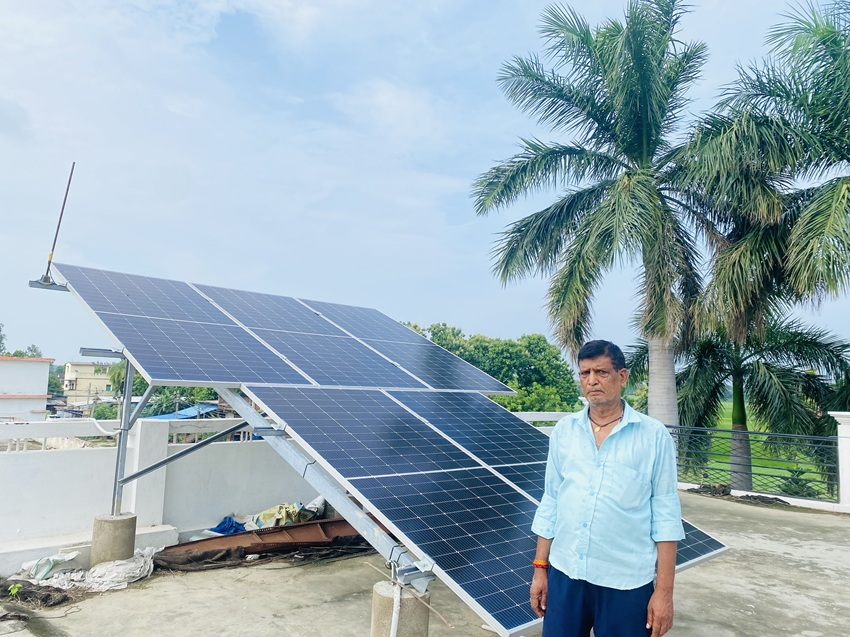
Solar power consumers in the State are feeling cheated with unfair electricity billing practices by power distribution companies, despite their active contribution to clean energy generation. Distribution companies charge an average of around Rs 7.44 per unit for electricity consumption, they offer only about Rs 2.15 per unit for surplus solar power exported to the grid. This significant gap undermines financial viability of rooftop solar investments which costs around Rs 2.25 lakh per 3KW.
Consumers who have installed rooftop solar systems under dual metering mechanism say that the system, which was initially introduced to provide financial relief, is gradually losing its benefits. Under this arrangement, consumers export excess electricity generated by their solar units at a lower rate, while purchasing power from the grid at a higher tariff.
Adding to their concerns, consumers allege that distribution companies have started levying additional fixed charges under the pretext of maintaining power distribution infrastructure.
This, they argue, creates a double financial burden paying higher rates for electricity consumption while receiving minimal returns for the power they supply.
“Even after generating our own electricity and contributing to the grid, we are being charged as if we are entirely dependent on it,” said a local
solar user, expressing frustration over the current system. Many believe such practices could discourage individuals from investing in renewable energy solutions. Energy experts acknowledge that while infrastructure maintenance costs are necessary, the existing billing structure may require a review to ensure it does not negatively impact the growth of rooftop solar adoption.
Consumer groups have urged authorities to revisit the policy framework and introduce more balanced regulations that ensure fair compensation for solar power producers. They emphasise that promoting renewable energy requires not only incentives but also transparency and consistency in billing. With solar adoption steadily increasing, stakeholders warn that unresolved issues could slow down India’s transition towards sustainable energy.