HC takes tough stand on drain water used for vegetation ...seeks concrete suggestions for permanent solution
| Date :11-Apr-2026 |
Legal Correspondent :
The High Court has taken a tough stand on contaminated drain water and Narmada River, directing concrete solutions. Three petitions concerning vegetable production using contaminated and toxic drain water, discharge of contaminated water into Narmada river, and supply of contaminated water in the city were heard in the High Court on Thursday.
A division bench comprising Chief Justice Sanjeev Sachdeva and Justice Vinay Saraf directed all the parties to submit concrete suggestions for a permanent solution to the problems.
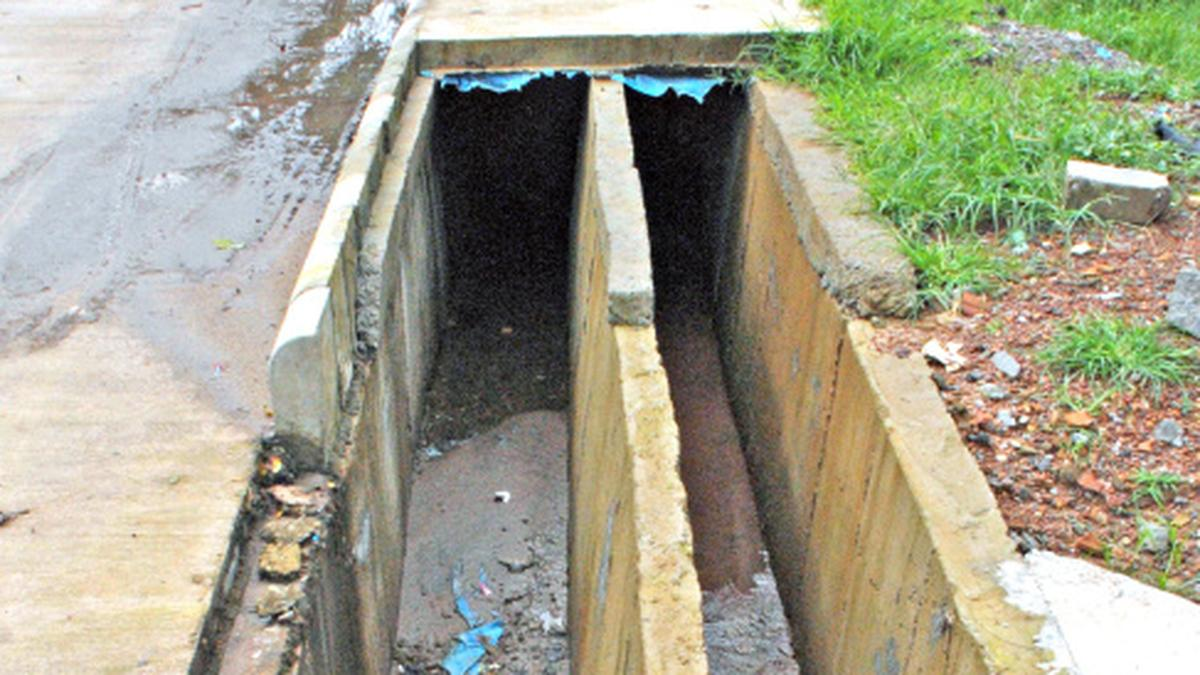
During the hearing, the court cited the example of Indore, noting that the system there is functioning efficiently and the administration receives full cooperation from the public. The court stressed that an expert organisation should come forward and suggest long-term and effective solutions. The next hearing in the case is scheduled for April 18. At the previous hearing, a report submitted by Madhya Pradesh Pollution Control Board revealed that water in almost all the drains in the city is ‘highly contaminated’ due to large amount of sewage. Water was declared completely unsuitable for drinking, consumption and irrigation.
The report also warned that if this water enters the water pipelines, it could pose a serious health hazard.
During the hearing, senior advocate Aditya Sanghi stated that a large number of people in Gwarighat discharge oil lamps into Narmada River everyday, increasing water pollution. He also pointed out that 174 megaliters of wastewater flows into the city’s drains daily, while only 58 megaliters is treated through the Municipal Corporation’s 13 sewage treatment plants.
Remaining water is directly discharged into Narmada and Hiran rivers.
Advocate Ravindra Gupta, representing Democratic Lawyers Forum, questioned the Municipal Corporation’s functioning, stating that it is currently incapable of ensuring supply of clean and safe drinking water. He demanded formation of a monitoring committee to oversee the entire matter. The proposed committee is recommended to include a retired High Court judge as its chairperson, along with the Jabalpur Mayor, Commissioner, Collector, the head of the Health Department,
a senior social worker, and a senior advocate. After the strict stance of the High Court, now concrete action is expected on this serious issue related to public health and environment.