Iran closes Strait of Hormuz again over US blockade accuses US of violating deal to reopen it
| Date :19-Apr-2026 |
By Sam Metz and
Samy Magdy :
CAIRO
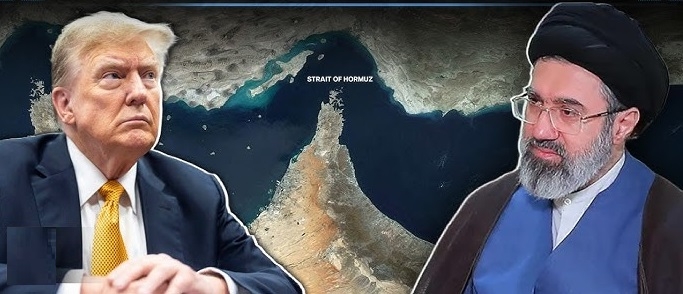
THE stand-off over the Strait of Hormuz quickly escalated again on Saturday as Iran reversed its reopening of the crucial waterway and fired on ships attempting to pass, in retaliation after the United States pressed ahead with its blockade choking off Iranian ports.
Confusion over the strait, through which roughly one-fifth of the world’s oil passes, threatened to deepen the energy crisis roiling the global economy and push the two countries toward renewed conflict. The ceasefire between them is due to run out by mid-next week, and Pakistani mediators were working to put together a new round of direct negotiations to keep the truce going.
Iran’s joint military command said Saturday that “control of the Strait of Hormuz has returned to its previous state ... Under strict management and control of the armed forces.” It warned that it would continue to block transit through the strait as long as the US blockade of Iranian ports remained in effect.
Revolutionary Guard gunboats on Saturday opened fire on a tanker transiting the strait and an unknown projectile hit a container vessel, damaging some of the containers, the British military’s UK Maritime Trade Operations centre said without identifying the vessels.
TankerTrackers.Com reported that two Indian-flagged
vessels were forced to turn around after being fired on by Iran, including a supertanker carrying Iraqi oil.
The renewed escalation resulted from attempts by both sides to maintain leverage amid negotiations over an ultimate deal to end the war and address Iran’s nuclear programme. US says 23 ships turned back since Iran blockade started
The US military said that it has forced 23 ships to turn around near the Strait of Hormuz since it imposed a naval blockade of Iranian ports.
In a post on X, the Central Command said US forces are still enforcing the blockade “against ships entering or exiting Iranian ports and coastal areas”.
For the United States, the blockade is a key tool to keep up pressure on Iran, short of resuming bombardment. By cutting off much of Iran’s exports and imports, it could strangle an already crippled economy. For Iran, closure of the strait - imposed after the US and Israel launched their surprise war on the country on February 28 - has proven to be perhaps its most powerful weapon in the confrontation, causing oil prices to spike, threatening the world economy and inflicting political pain on Trump.
Iran’s Supreme Leader Ayatollah Mojtaba Khamenei issued defiant remarks on Saturday, saying Iran’s Navy stands “ready to inflict bitter defeats on its enemies.”
In a message celebrating the anniversary of the establishment of Iran’s Army, he hailed Iran’s drone strikes that targeted Israel and the US interests across the region during the past seven weeks of war. Khamenei has bot been seen in public since he was elevated to supreme leader after his father, Ayatollah Ali Khamenei, was killed in Israel’s opening barrage of the war on Feb. 28. French President Emmanuel Macron said a French soldier was killed and three others injured on Saturday morning during an attack on UN peacekeepers in southern Lebanon. “Everything suggests that responsibility for this attack lies with Hezbollah,” Macron wrote on social media.
There was no immediate comment from Hezbollah.